
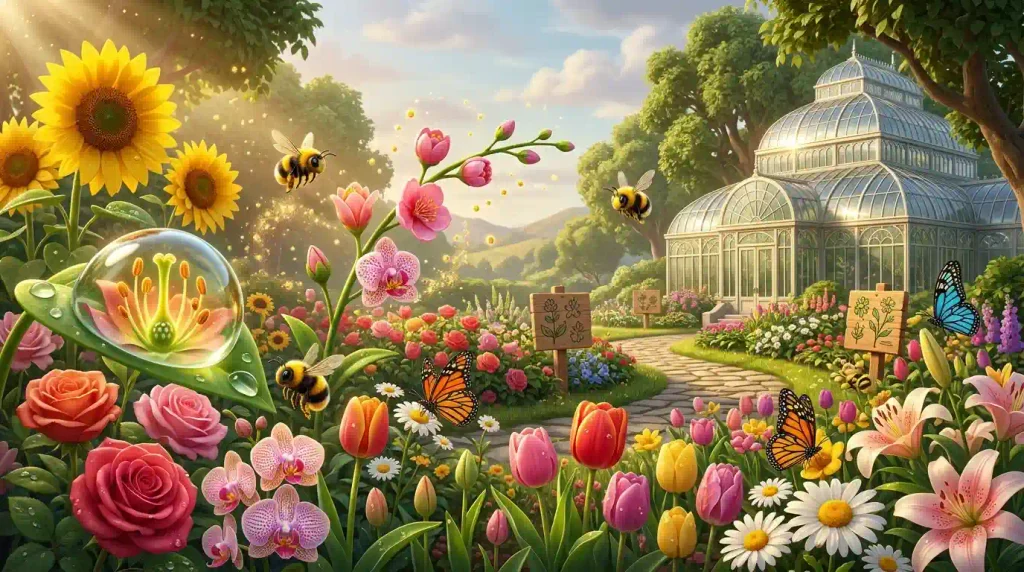
Flowers are among nature’s most brilliant creations, serving as vital pollinators, historical symbols, and natural survival tools. Exploring these astonishing fun facts flowers reveals how blossoms communicate through color, release unique scents, produce natural medicines, and display mind-bending adaptations across diverse global environments.
Have you ever looked closely at a brightly colored garden petal and wondered about its hidden life? Flowers do far more than just look pretty on a kitchen table or in a park setting.
If you are looking for unbelievable fun facts flowers bring to light, you have come to the right place. Let us explore the surprising secrets of blossoms together and discover how nature crafts these incredible floral marvels!
You will be amazed by how clever, strategic, and resilient plants really are throughout their lifespan. Learning these fun facts flowers share will make every garden walk feel like an exciting botanical adventure!
The Fascinating Biology of How Blossoms Work
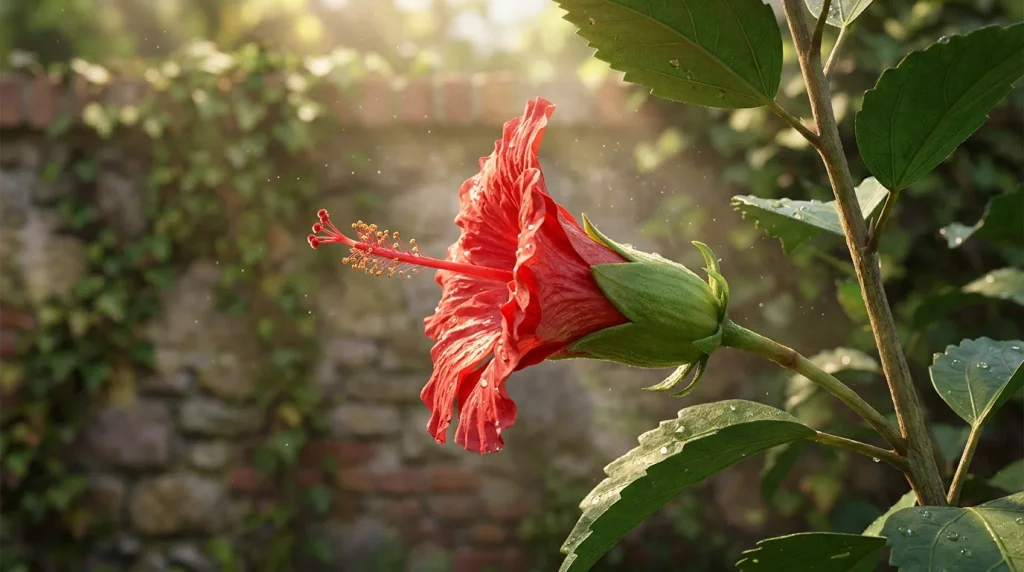
Flowers are actually complex reproductive centers that plants use to make seeds and ensure their species survives. Every vibrant petal, sweet scent, and sticky surface serves a clear purpose in nature.
Why Petals Are So Brightly Colored
Petals act like glowing highway signs designed specifically to attract flying insects and birds. Bees, butterflies, and hummingbirds notice bright shades of yellow, blue, and red from long distances away.
Plants invest heavy amounts of energy into producing natural pigments like carotenoids and anthocyanins. Without these eye-catching shades, pollinators would easily fly right past without stopping to visit.
Invisible UV Landing Strips
While humans see beautiful solid colors, insects see a completely different visual picture. Many flower petals feature ultraviolet markings called nectar guides that are totally invisible to human eyes.
Under ultraviolet light, these patterns point directly toward the center of the bloom like glowing runway lights. Bees follow these hidden signals directly to the nectar, dusting themselves with pollen along the way.
How Bees See Ultraviolet Patterns
Bees possess special eye receptors that pick up ultraviolet wavelengths effortlessly. What looks like a plain yellow dandelion to us appears as a sharp bullseye pattern to a foraging honeybee.
The Role of Nectar Guides in Pollination
Nectar guides speed up the feeding process for busy insects searching for food. By guiding bugs straight to the pollen reward, the plant ensures efficient cross-pollination with minimal wasted effort.
The Science Behind Flower Scents
The sweet perfume of a rose or lily is not just for human enjoyment. Flowers release volatile organic compounds into the air to signal that fresh food is available nearby.
Different scents attract entirely different animal partners across the ecosystem. Sweet fruity scents attract daytime bees and butterflies, while heavy musky odors attract nocturnal bats and moths.
Surprising Floral Communication and Defense
Plants cannot run away when danger approaches, so they use clever chemical signals to protect themselves. Blossoms talk to neighboring plants and local wildlife through invisible airborne messages.
Chemical Distress Calls
When caterpillars begin chewing on flower leaves, the plant releases special chemical warning signals. These floating scent alarms alert nearby plants to boost their natural defensive chemicals before insects arrive.
Even more amazingly, these chemical signals can attract predatory insects like wasps. The wasps fly in, hunt the hungry caterpillars, and save the flowering plant from further damage!
The Trickery of Mimicry Flowers
Some clever flowers avoid using energy to make sweet nectar by tricking insects instead. The Bee Orchid produces petals that look and feel remarkably like a female bee sitting on a leaf.
Male bees fly down hoping to find a mate, accidentally bumping into the flower structure. The disappointed male flies away without a mate, but carries a fresh payload of pollen to the next deceptive orchid.
Sleep Movement in Blossoms
Have you ever noticed that flowers like tulips and daisies close up tightly at night? This natural movement is called nyctinasty, and it protects delicate pollen from nighttime moisture and frost.
By folding their petals inward after sunset, flowers keep their interior structures warm and dry. When the morning sun warms the air, the petals expand and open up once again.
Extraordinary World Records in the Botanical Kingdom
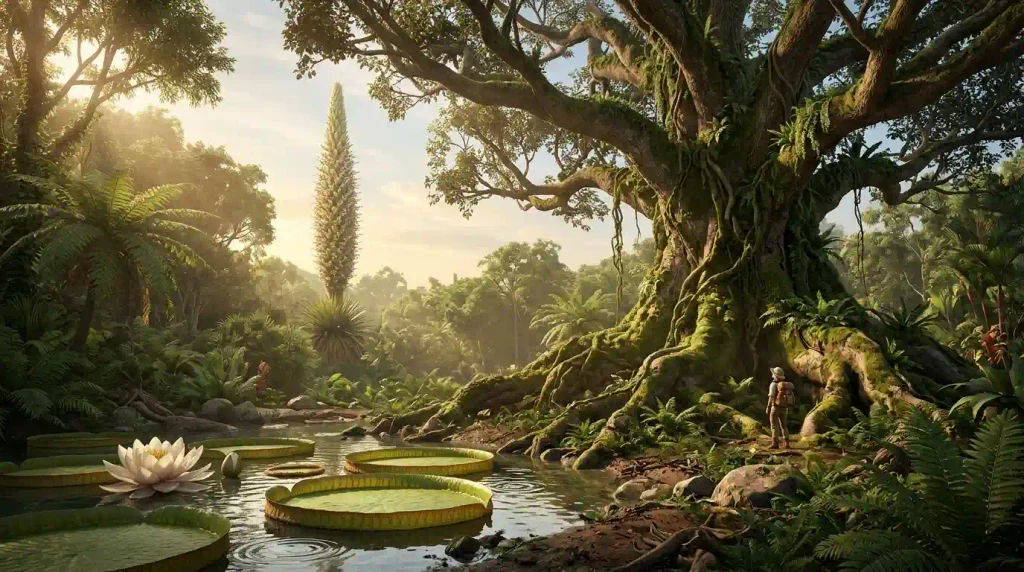
The plant world is full of extreme record-breakers that stretch our imagination. From massive giant blooms to tiny floating flora, nature builds flowers in every conceivable size.
The World’s Largest Single Flower
The Rafflesia arnoldii, commonly called the Corpse Flower, produces the largest individual bloom on Earth. Found in Southeast Asian rainforests, this giant bloom can measure over three feet across and weigh up to 15 pounds!
It earns its unpleasant nickname by releasing an intense smell of decaying meat. This rotting scent attracts carrion flies that wander inside and carry pollen to neighboring giant blooms.
The Smallest Flowering Plant on Earth
On the opposite side of the scale sits Wolffia, commonly known as Asian watermeal. This tiny floating water plant produces flowers so microscopic that a dozen of them could fit on the head of a single pin!
Despite their tiny size, these microscopic blossoms produce real pollen and tiny fruits. They float peacefully on ponds, providing valuable nutrition for ducks and wetland birds.
The Slowest Blooming Plant
The Puya raimondii, an incredible plant native to the high Andes mountains, takes up to 100 years to produce its first bloom. It grows for a full century before sending up a giant spike holding thousands of individual flowers.
After this single spectacular flowering event, the plant releases its seeds and dies. It is an incredible once-in-a-lifetime show that botanical researchers travel across the world to witness.
Deep Cultural Secrets and Historical Traditions
Humans have shared a deep emotional bond with flowers since ancient times. Blossoms have served as ancient medicine, political symbols, and complex secret communication tools across societies.
Victorian Secret Flower Language
During the Victorian era in 19th-century England, talking about romantic feelings directly was considered impolite. People created a complex floral code called floriography to send hidden messages using small bouquets.
- Red Roses: Signified deep, passionate love and romantic devotion.
- Yellow Tulips: Symbolized cheerful thoughts and sunshine in one’s life.
- Striped Carnations: Signified a gentle refusal or polite rejection of affection.
- Lavender: Represented devotion, quiet calm, and spiritual purity.
Every single bloom, arrangement choice, and ribbon carried a distinct meaning. A gentleman receiving a bouquet held upside down knew his romantic offer had been declined!
Tulip Mania and the First Economic Bubble
In 1630s Holland, tulip bulbs became so highly prized that they caused the world’s first recorded financial bubble. Wealthy citizens traded houses, land, and life savings for single rare tulip bulbs!
At the peak of Tulip Mania, a single rare bulb called the Semper Augustus was worth more than a luxury home in Amsterdam. The market crashed suddenly in 1637, leaving many investors with nothing but worthless garden roots.
Ancient Medicinal Flower Uses
Long before modern pharmacies existed, ancient cultures relied on flowers to heal illness and soothe wounds. Dried chamomile blossoms were brewed into calming teas to treat sleeplessness and stomach aches.
People crushed calendula petals into soothing salves to treat burn wounds and skin infections. Today, modern science confirms that many of these traditional floral remedies hold real anti-inflammatory compounds.
Mind-Blowing Edible and Functional Blossoms
Flowers aren’t just pretty in a vase; wide varieties are delicious and packed with vitamins. Chefs around the world use fresh blooms to add flavor, color, and texture to gourmet dishes.
The Golden Spice from Crocus Flowers
Saffron is the most expensive spice on Earth, costing thousands of dollars per pound. It comes from the delicate red stigmas inside the Crocus sativus flower.
Each crocus bloom produces only three tiny red threads that must be picked carefully by hand at dawn. It takes roughly 75,000 individual crocus flowers to yield just one single pound of dry saffron spice!
Edible Delights in Your Backyard
Many common garden blossoms are completely safe and delicious to eat when grown without pesticides. Nasturtiums offer a crisp, peppery bite similar to fresh radishes, while pansies feature a sweet, mild grassy flavor.
Dandelions are entirely edible from root to bloom, packing high concentrations of vitamins A, C, and K. You can fry dandelion heads into crispy fritters or steep them into golden herbal teas.
Sunflowers and Radioactive Cleanup
Sunflowers are famous for turning their large faces toward the moving sun, a behavior called heliotropism. However, these tall golden giants also possess an incredible environmental superpower called phytoremediation.
Sunflower roots are exceptionally skilled at soaking up toxic heavy metals and radiation from polluted soil. Scientists planted millions of sunflowers near nuclear accident sites like Chornobyl and Fukushima to clean up contaminated soil naturally!
Bizarre Floral Adaptations for Extreme Environments
Flowers grow in almost every corner of our planet, from scorching desert sands to freezing alpine mountain peaks. Their structural adaptations show just how tough plant life can be.
Desert Bloomers and Rain Miracles
Desert wildflowers can keep their seeds buried under hot, dry sand for years without drying out. The seeds wait patiently until a rare heavy rainfall drenches the desert floor.
Within days of a rainfall event, millions of dormant seeds sprout, grow, and bloom all at once. This sudden transformation creates a stunning phenomenon known as a superbloom across barren desert sands.
Carnivorous Flowers and Sticky Traps
In environments with nutrient-poor soil, some plants evolved into carnivores that hunt insects for survival. The Butterwort produces sweet-smelling sticky leaves that trap tiny flies looking for nectar.
Once an insect gets stuck on the gooey surface, the plant secretes digestive juices to dissolve the prey. This strategy allows the flowering plant to absorb nitrogen and phosphorus directly from insect bodies.
Night-Blooming Wonders
While most flowers open to greet the morning sun, night-blooming species wait for darkness to fall. Night-blooming Cereus and Moonflowers open their glowing white petals only after nightfall.
These night blossoms feature heavy sweet fragrances designed to travel far in cool evening air. They rely on nocturnal visitors like giant sphinx moths and nectar-eating bats to carry their pollen.
Simple Tips for Growing Happy Healthy Flowers

You do not need a degree in botany to grow gorgeous, colorful blossoms in your own yard or window box. Following a few basic rules ensures your plants stay vibrant and healthy all season long.
Understanding Sunlight and Water Needs
Before buying plants at a garden center, check the light conditions in your growing space. Some flowers need six hours of direct sunlight, while shade lovers prefer soft filtered light under trees.
Always check the soil moisture with your finger before reaching for the watering can. Overwatering rots delicate roots quickly, while underwatering causes petals to droop and drop prematurely.
Deadheading for Continuous Blooms
Deadheading is the simple practice of pinching or cutting off faded, dying flower heads from your plants. When a flower fades, the plant diverts its energy toward making seeds inside the base.
By removing old blooms promptly, you trick the plant into thinking its job is unfinished. It quickly responds by producing fresh new flower buds to keep your garden blooming all summer long.
Supporting Local Pollinators
Planting a diverse mix of native flowers helps local bees, butterflies, and songbirds thrive in your neighborhood. Native plants are adapted to local soil and require less water and fertilizer to stay healthy.
Try grouping flowers of similar colors in large clusters rather than scattering them individually. Large color patches make it easier for foraging bees to locate your garden from high above!
Practice Exercise
Test your knowledge of fun facts about flowers with this engaging multiple-choice quiz. Choose the best answer for each question based on what you have learned.
Flower Basics
- What is the main reproductive structure found in a flower?
- A. Petal
- B. Root
- C. Flower
- D. Stem
- Which part of a flower often attracts pollinators with its bright colors?
- A. Petals
- B. Roots
- C. Seeds
- D. Bark
- What process allows flowering plants to produce seeds after pollen reaches the appropriate part of the flower?
- A. Photosynthesis
- B. Pollination and fertilization
- C. Germination
- D. Transpiration
Amazing Flower Facts
- Which flower is famous for turning toward sunlight during its growth?
- A. Rose
- B. Tulip
- C. Sunflower
- D. Lavender
- Why do many flowers produce sweet nectar?
- A. To cool their leaves
- B. To attract pollinators
- C. To protect their roots
- D. To increase their height
- Which insect is commonly associated with pollinating flowers?
- A. Bee
- B. Ant
- C. Termite
- D. Cockroach
Flowers in Nature and Culture
- Which flower is widely recognized as a symbol of love and romance?
- A. Daisy
- B. Rose
- C. Sunflower
- D. Daffodil
- Why are flowers important to many ecosystems?
- A. They provide food and resources for pollinators
- B. They prevent all insects from entering forests
- C. They eliminate the need for sunlight
- D. They stop plants from producing seeds
- Which flower is well known for opening during the day and closing at night in wide varieties?
- A. Morning glory
- B. Cactus flower
- C. Water lily
- D. Dandelion
Challenge Round
- What is one major benefit of pollination for flowering plants?
- A. It helps plants produce seeds
- B. It removes all leaves
- C. It stops photosynthesis
- D. It prevents flowers from blooming
Answer Key: 1. C | 2. A | 3. B | 4. C | 5. B | 6. A | 7. B | 8. A | 9. C | 10. A
FAQs
1. Why do some flowers only bloom at night?
Night-blooming flowers open after dark to attract nocturnal pollinators like moths and bats. They usually feature pale white petals that reflect moonlight and strong sweet fragrances that travel far in cool night air.
2. Can eating certain flowers be dangerous for your health?
Yes, many beautiful flowers like foxglove, oleander, and lilies are toxic to humans and pets. You should only consume flowers that are verified as edible species and grown without chemical pesticides.
3. How do flowers know when it is spring?
Flowers track changing seasons by measuring temperature changes and the length of daylight using light-sensitive proteins. As spring days grow longer and warmer, these internal signals trigger fresh growth and blooming.
4. Why do cut flowers fade so quickly in a vase?
Cut flowers fade quickly because removing them from the parent plant cuts off water and nutrient supplies. Bacteria also grow quickly in vase water, clogging the stem ends and preventing proper hydration.
5. How do orchids trick insects without producing real nectar?
Orchids use visual and scent mimicry to look like female insects or reward-giving plants. Unsuspecting male insects land on the petals trying to mate, carrying pollen away without receiving any actual nectar reward.
6. What causes fresh flower petals to droop in heat?
Petals droop when heat causes water to evaporate through plant tissues faster than roots can drink. As water pressure inside plant cells drops, the soft stem and petal tissues lose their firmness.
7. Why do some flowers change color as they age?
Flowers change color after pollination to signal to insects that the nectar reward is gone. This clever visual signal directs pollinators toward younger, unpollinated blossoms that still need visiting.
Conclusion
Exploring these remarkable fun facts flowers hold shows how incredible, clever, and diverse natural plant life really is. From secret chemical warning signals to giant record-breaking blooms, blossoms never cease to amaze.
Understanding the complex biology behind bright petals and sweet scents helps us appreciate every garden walk even more. Sharing these fun facts flowers enthusiasts love brings a fresh spark of curiosity to everyday nature walks.
Which floral surprise amazed you the most today? Pass these fun facts flowers lovers enjoy along to your friends, and start exploring local gardens with fresh eyes today!

Zoey Carter is the creator and writer behind funsvibe.com, a friendly website where readers can discover interesting, entertaining, and useful content. She enjoys exploring different topics and turning fresh ideas into simple, engaging articles that are easy to understand. Zoey believes that good content should be informative while still feeling natural and enjoyable to read.
Through funsvibe.com, Zoey Carter focuses on sharing original, reader friendly content with a warm and conversational style. She enjoys researching new subjects, discovering helpful information, and presenting ideas in a clear way. Her goal is to make every visit enjoyable while giving readers something valuable to discover and remember.