
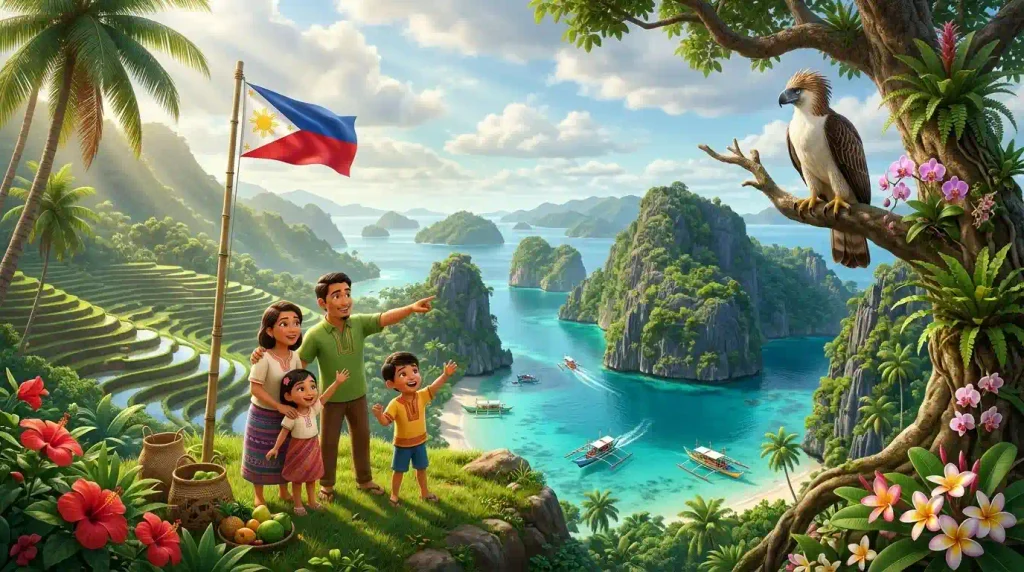
The Philippines is a stunning tropical nation made of over 7,000 islands, with a rich history and world-class biodiversity. Exploring these captivating fun facts Philippines enthusiasts love reveals how this vibrant country boasts the text messaging capital of the world, is home to rare tarsiers, and has unique transport like colorful jeepneys.
Have you ever dreamed of stepping onto a tropical island where the water is crystal clear and every local greets you like an old friend? Central to Southeast Asia’s charm, the Philippine archipelago holds endless geographical secrets, bizarre animal species, and fascinating social traditions.
If you are looking for unbelievable fun facts Philippines travelers adore, you have arrived at the perfect place. Let us explore the surprising story of this island nation together!
You will quickly discover that there is so much more to this paradise than just postcard-perfect white beaches. Learning these fun facts Philippines experts share will give you a fresh perspective on its rich history and warm culture!
By uncovering these mind-blowing fun facts Philippines locals take pride in, you can plan your ultimate tropical dream vacation or impress your friends with surprising geographic trivia. Let us jump right into these amazing discoveries and celebrate what makes this island nation so special!
Incredible Geography and Island Diversity
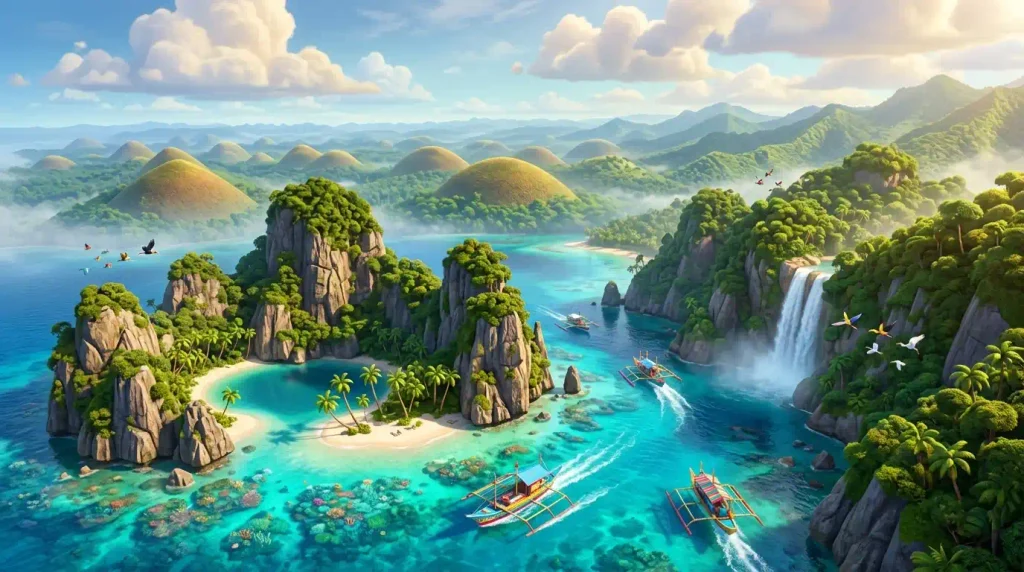
When you look at a world map, the Philippines appears as a dense cluster of green gems scattered across the western Pacific Ocean. The sheer geographical variety packed into this single tropical country is mind-boggling for nature lovers.
How Many Islands Make Up the Nation?
For many decades, geography books taught students that the country consisted of exactly 7,107 islands during low tide. However, modern satellite mapping technology recently discovered hundreds of previously uncounted landmasses!
Official geographic surveys now recognize over 7,640 distinct islands across three main regions: Luzon, Visayas, and Mindanao. Only about 2,000 of these islands are permanently inhabited by humans, leaving thousands of untouched paradises to explore.
The Chocolate Hills of Bohol
In the province of Bohol, over 1,200 perfectly symmetrical dome-shaped hills rise above the surrounding forest canopy. During the rainy season, these unique geological formations are covered in lush green grass that looks like giant velvet mounds.
When the dry season arrives, the grass turns a rich golden-brown color, making the landscape look like millions of giant chocolate drops scattered across the island! Geologists believe these hills formed millions of years ago from coral deposits uplifted by tectonic forces.
The World’s Longest Underground River
Deep beneath the jungle floor of Palawan lies the Puerto Princesa Subterranean River, a UNESCO World Heritage site. This remarkable underground river flows directly through a massive limestone cave system before emptying straight into the sea.
- Visitors can ride small paddle boats miles deep into pitch-black caverns filled with giant stalactites.
- The cave system features large chambers housing thousands of bats and swiftlet birds.
- It is one of the very few navigable underground rivers on Earth that experiences tidal ocean currents.
Volcanoes Inside Lakes Inside Volcanoes
Taal Volcano, located just a short drive south of Manila, presents one of the most complex geological setups on the planet. The volcano sits on an island inside Taal Lake, which rests within a giant prehistoric volcanic caldera.
Inside Taal Volcano’s main crater sits another small freshwater lake containing its own tiny island called Vulcan Point! It is literally an island in a lake, inside a volcano in a lake, on an island in the ocean.
Bizarre Wildlife and Biodiversity Marvels
The tropical rainforests and coral reefs surrounding these islands host some of the most unique animal species on Earth. Isolated island evolution created biological marvels found nowhere else in the world.
The Miniature World of the Philippine Tarsier
In the forests of Bohol and Leyte, you can find the Philippine tarsier, one of the smallest primates on Earth. Mature tarsiers measure only about four to six inches tall, fitting comfortably inside an adult human’s hand.
Massive Eyes for Night Hunting
A tarsier’s eyes are actually larger than its entire brain! Because these huge eyes are fixed firmly in their sockets, the tarsier can rotate its neck a full 180 degrees in either direction to spot tasty insects in the dark.
Sensitive Animals That Need Peace
Tarsiers are extremely sensitive to noise and physical stress. When frightened by loud crowds or bright camera flashes, captive tarsiers can become so stressed that they harm themselves, making strict habitat protection essential.
The Majestic Philippine Eagle
Flying high above the mountain canopies of Mindanao is the Philippine Eagle, one of the largest and most powerful eagles on the planet. With a wingspan stretching over seven feet wide, this apex predator hunts tree-dwelling animals like lemurs and monkeys.
Because of deforestation and habitat loss, fewer than 500 breeding pairs remain in the wild today. Local conservation programs work tirelessly to protect their nesting trees and reintroduce captive-bred eagles into protected mountain parks.
The World’s Largest Pearl Discovery
The waters of the Palawan archipelago hold legendary treasures beneath the waves. Local fishermen in Palawan discovered the Pearl of Puerto, a giant natural pearl weighing an astounding 75 pounds (34 kilograms)!
A local fisherman kept this massive treasure under his bed for over ten years as a good luck charm before showing it to city tourism officials. It easily shattered previous world records as the largest natural giant clam pearl ever found.
Vibrant Transportation and Street Culture
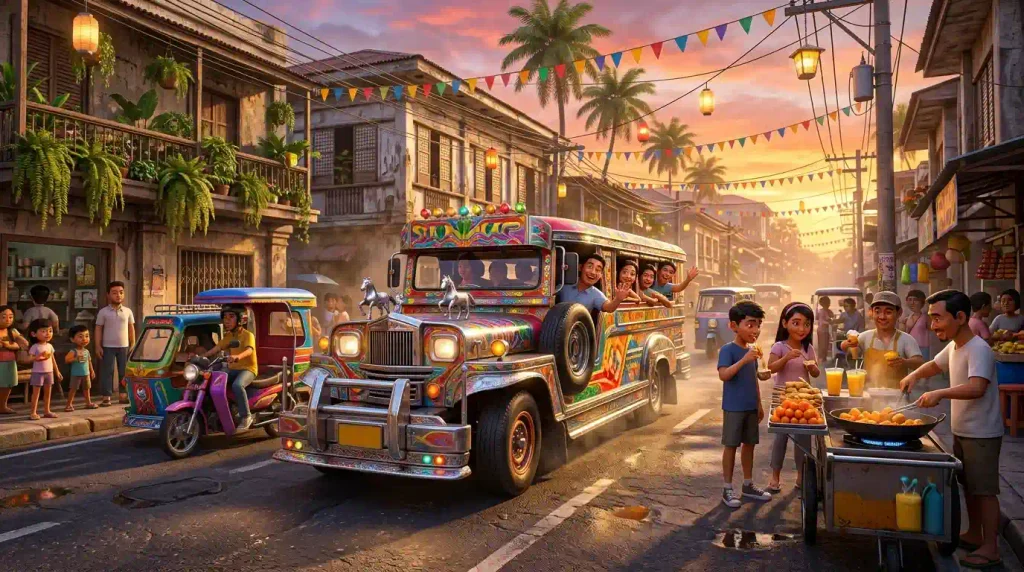
Navigating through bustling city streets or quiet provincial roads offers a lively adventure full of bright colors and friendly smiles. Local transport options reflect the resourcefulness and artistic spirit of the community.
The Iconic History of the Philippine Jeepney
After World War II, American troops left behind thousands of surplus military jeeps across the islands. Resourceful locals quickly repurposed these sturdy vehicles by extending the metal frames and adding bench seating to create public mini-buses.
Hand-Painted Rolling Art Canvas
Jeepney owners take immense pride in decorating their rides with vibrant custom paint jobs, chrome horses, and glowing neon lights. Paintings often feature family portraits, pop culture figures, religious icons, and funny slogans.
The Modern Transit Evolution
While iconic jeepneys have defined local roads for decades, major cities are gradually introducing eco-friendly electric jeepneys. These modern electric models help reduce air pollution while maintaining the comfortable passenger seating arrangement.
Tricycles and Express Coastal Ferries
For short trips through neighborhood streets, local passenger tricycles provide quick and affordable transportation. These clever vehicles consist of a standard motorcycle attached to a custom-built sidecar that can fit up to four passengers.
When traveling long distances between neighboring islands, passenger ferry boats known as pump boats dominate coastal waters. Outrigger bamboo poles attached to both sides keep these wooden boats stable even in choppy ocean waves.
Unique Street Food Adventures
Street food stalls line evening markets, offering adventurous eaters a wide range of flavorful treats. One famous local snack is Balut, a boiled duck egg containing a partially developed embryo seasoned with salt and vinegar.
- Halo-Halo is a famous shaved-ice dessert layered with sweet beans, jelly, coconut, condensed milk, and purple ube ice cream.
- Kwek-Kwek consists of hard-boiled quail eggs dipped in bright orange batter and fried until crispy.
- Isaw features skewered chicken or pork intestines grilled over hot charcoal and dipped in spicy garlic vinegar.
Fascinating History and Colonial Heritage
Centuries of global trade and colonial influences created a rich cultural mix that blends Asian, Spanish, and American traditions seamlessly. History enthusiasts can explore preserved colonial towns and ancient stone fortresses.
Three Centuries of Spanish Rule
In 1521, Portuguese explorer Ferdinand Magellan arrived on the shores of Samar, marking the beginning of Spanish contact. Spain ruled the islands for over 300 years, leaving a lasting legacy seen in language, family names, and grand stone cathedrals.
The country gets its official name from King Philip II of Spain! Today, the Philippines remains one of only two predominantly Christian nations in the entire Asian continent.
The Oldest City in the Country
Cebu City holds the title of the oldest permanent Spanish settlement and first capital city in the nation. Visitors to Cebu can view Magellan’s Cross, a historic wooden cross planted by Spanish explorers over five centuries ago.
Near the cross stands the Basilica Minore del Santo Niño, a grand stone church built on the site where a sacred wooden statue of the Holy Child was discovered in 1565.
Ancient Mountain Rice Terraces
High in the Cordillera mountains of Luzon, the Indigenous Ifugao people hand-carved massive rice terraces into steep mountain slopes over 2,000 years ago. These breathtaking agricultural engineering feats are often called the Eighth Wonder of the World.
If placed end-to-end, these ancient stone and mud terraces would wrap halfway around the entire globe! Water flows naturally down from mountain rainforests through complex bamboo irrigation channels to nourish every plot.
World-Class Achievements and Modern Culture
Modern Filipinos excel across global entertainment, technology, and sports industries, bringing pride to their island homeland. Social connections and warmth sit right at the heart of everyday lifestyle.
The Text Messaging Capital of the World
Long before smartphone messaging apps took over global communication, the country earned the title of the Text Messaging Capital of the World. During the early 2000s, residents sent over 400 million text messages every single day!
Sending affordable SMS messages became the primary way for family members across different islands to stay connected. Today, the nation remains a global leader in social media usage and digital communication.
Unmatched Passion for Basketball
While most Southeast Asian nations favor soccer, basketball is an absolute national obsession throughout these islands. Almost every neighborhood street, rural village square, and beachfront clearing features a handmade wooden basketball hoop.
Even during hot tropical afternoons, locals gather for energetic pickup games wearing sandals or playing barefoot. The country hosted the FIBA Basketball World Cup in 2023, drawing massive cheering crowds from every province.
Karaoke as a National Pastime
Karaoke is not just a weekend hobby; it is a fundamental part of every family celebration, birthday party, and neighborhood gathering! Almost every local household owns a portable magic-singing microphone machine connected to the television.
From rural mountain villages to downtown Manila apartments, singing out loud brings people together regardless of skill level. Singing your favorite classic ballads with passion is far more important than singing perfectly on key!
Warm Hospitality and Unique Festivities
Visiting these sunny islands means experiencing some of the most enthusiastic hospitality anywhere on Earth. Locals welcome international guests like extended family members, sharing hearty meals and festive smiles.
Year-Round Festival Celebrations
Almost every city and small town celebrates an annual Fiesta honoring its patron saint or local harvest traditions. Fiestas feature colorful street dancing parades, traditional music, and tables overflowing with roast pork and sweets.
- The Ati-Atihan Festival in Aklan features dancers painted in dark soot wearing elaborate feathered costumes.
- The Sinulog Festival in Cebu attracts millions of visitors for lively street dancing set to booming drumbeats.
- The MassKara Festival in Bacolod features street performers wearing giant smiling masks to celebrate resilience.
The World’s Longest Christmas Season
If you love holiday decorations, this island nation is the ultimate festive destination. Christmas celebrations officially begin as soon as the month of September starts, launching the four “BER” months!
Radio stations begin playing holiday music, and malls hang giant glowing paról lanterns as early as September 1st. Festive celebrations continue through late January, making it the longest Christmas season anywhere in the world.
The Power of Bayanihan Spirit
The traditional concept of Bayanihan represents the spirit of community unity and helping neighbors without expecting anything in return. Historically, when a family needed to move homes, neighbors gathered to physically lift the entire wooden house on their shoulders and carry it down the road!
While modern homes are made of concrete, the Bayanihan spirit lives on through community volunteer work during tropical storms and shared support during difficult times.
Smart Travel Tips for Island Hoppers
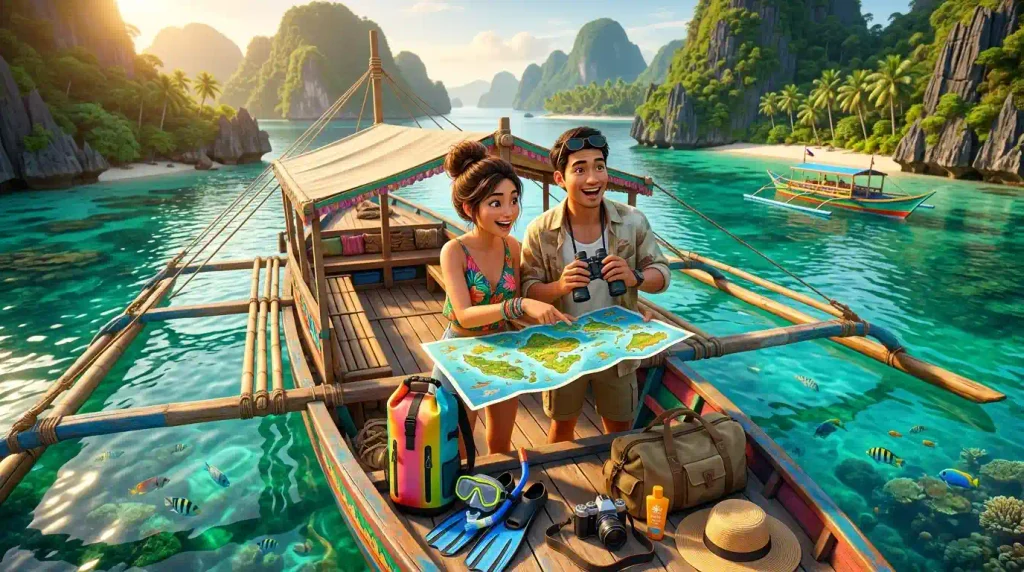
Planning a trip across an archipelago requires a bit of practical preparation to ensure smooth transit between islands. Following a few insider travel tips will help you make the most of your tropical journey.
Choosing the Best Time to Travel
Understanding local weather patterns helps you avoid heavy tropical monsoon rains and enjoy bright sunny beach days. The country experiences two main seasons throughout the calendar year.
- The dry season runs from November to April, offering warm sunshine and smooth ocean waters ideal for island tours.
- The wet season lasts from May to October, bringing afternoon rain showers and occasional tropical typhoons.
- March and April bring peak summer heat, making it the most popular time for local beach vacations.
Respecting Local Etiquette and Language
Filipino and English are the official national languages, making communication effortless for international travelers. Locals appreciate polite manners and simple friendly gestures when interacting in markets and hotels.
Using the polite words “Po” and “Opo” when speaking to elders shows deep cultural respect. Gentle hand gestures and broad smiles go a long way in making fast friends wherever your travels take you!
Packing Essentials for Tropical Adventures
Packing smart keeps you comfortable while moving between ferries, planes, and mountain trails. Heavy winter clothing is completely unnecessary in this warm tropical climate.
Bring lightweight, quick-drying clothing, eco-friendly reef-safe sunscreen, waterproof dry bags for ferry rides, and comfortable water shoes. Sturdy sandals help you navigate rocky beaches and coral shores safely.
Practice Exercise
Test your newfound knowledge about this tropical island nation with our quick 10-question multiple-choice quiz! Select the correct letter option for each question based on the details covered above.
Questions
- Approximately how many individual islands make up the Philippine archipelago according to modern mapping?
- A. Exactly 1,200 islands
- B. Over 7,600 islands
- C. Around 500 islands
- D. Exactly 10,000 islands
- What famous geological attraction in Bohol turns brown during the dry season?
- A. The Emerald Hills
- B. The Chocolate Hills
- C. The Golden Peaks
- D. The Velvet Mounds
- Which tiny primate found in the Philippines has eyes that are larger than its brain?
- A. Slow Loris
- B. Spider Monkey
- C. Philippine Tarsier
- D. Pygmy Marmoset
- What vehicle was created by extending surplus American military jeeps after World War II?
- A. Passenger Tricycle
- B. Philippine Jeepney
- C. Outrigger Pump Boat
- D. Motorized Rickshaw
- Which province is home to the world-famous Puerto Princesa Subterranean River?
- A. Palawan
- B. Cebu
- C. Bohol
- D. Davao
- What European nation ruled the islands for over 300 years starting in the 16th century?
- A. Portugal
- B. Great Britain
- C. Spain
- D. The Netherlands
- When does the Christmas season traditionally begin in the Philippines?
- A. December 1st
- B. September 1st
- C. November 25th
- D. October 31st
- What sport holds a massive national obsession throughout neighborhood streets and villages?
- A. Soccer
- B. Cricket
- C. Basketball
- D. Baseball
- What is the traditional cultural concept of community neighbors helping neighbors called?
- A. Bayanihan
- B. Harana
- C. Fiesta
- D. Balut
- Which famous Philippine pearl discovered in Palawan weighed an incredible 75 pounds?
- A. Pearl of Asia
- B. Pearl of Puerto
- C. Hope Pearl
- D. Sultan Pearl
Answer Key
- B, 2. B, 3. C, 4. B, 5. A, 6. C, 7. B, 8. C, 9. A, 10. B
FAQs
1. What language is widely spoken in the Philippines?
Filipino (based on Tagalog) and English are the official national languages spoken across the country. English is taught in schools and used extensively in government, business, and tourism, making travel extremely easy for international visitors.
2. Do I need a visa to visit the Philippines?
Travelers holding passports from over 150 countries can enter the Philippines visa-free for tourism stay up to 30 days. You simply need a passport valid for at least six months and a confirmed onward flight ticket.
3. What is the most famous food to try in the Philippines?
Adobo is widely recognized as the unofficial national dish, featuring chicken or pork braised in soy sauce, vinegar, garlic, and peppercorns. Other popular dishes include crispy roast pig (Lechon) and sweet shaved-ice dessert (Halo-Halo).
4. Is the Philippines safe for solo travelers?
Yes, the Philippines is generally safe and welcoming for solo travelers exploring popular tourist destinations. Exercising standard travel safety awareness, keeping valuables secure, and using official transport options ensures a smooth trip.
5. What currency is used across the Philippine islands?
The official currency is the Philippine Peso (PHP). While major hotels and shopping malls accept credit cards, carrying physical cash is essential when visiting smaller islands, rural markets, and local street stalls.
6. How do travelers get between different islands?
Travelers move between islands using domestic flights, express passenger ferries, and wooden outrigger pump boats. Major domestic airlines connect Manila and Cebu to regional island airports daily.
7. What is the best island for first-time visitors?
Boracay is ideal for white sand beaches, Palawan offers breathtaking limestone lagoons and underground rivers, and Cebu provides a perfect mix of historic sites and waterfall adventures for first-time travelers.
Conclusion
Exploring these remarkable fun facts Philippines enthusiasts share proves just how extraordinary this tropical island nation truly is. From Chocolate Hills and subterranean rivers to colorful jeepneys and warm hospitality, paradise awaits around every corner.
Understanding these islands’ deep history, vibrant street culture, and natural biodiversity helps us appreciate the world more fully. Remembering all the fascinating fun facts Philippines experts love brings a fresh spark of curiosity to every travel planning session.
Which island surprise amazed you the most today? Share these fun facts Philippines fans love with your travel buddies, and start planning your next tropical island adventure today!
Zoey Carter is the creator and writer behind funsvibe.com, a friendly website where readers can discover interesting, entertaining, and useful content. She enjoys exploring different topics and turning fresh ideas into simple, engaging articles that are easy to understand. Zoey believes that good content should be informative while still feeling natural and enjoyable to read.
Through funsvibe.com, Zoey Carter focuses on sharing original, reader friendly content with a warm and conversational style. She enjoys researching new subjects, discovering helpful information, and presenting ideas in a clear way. Her goal is to make every visit enjoyable while giving readers something valuable to discover and remember.