
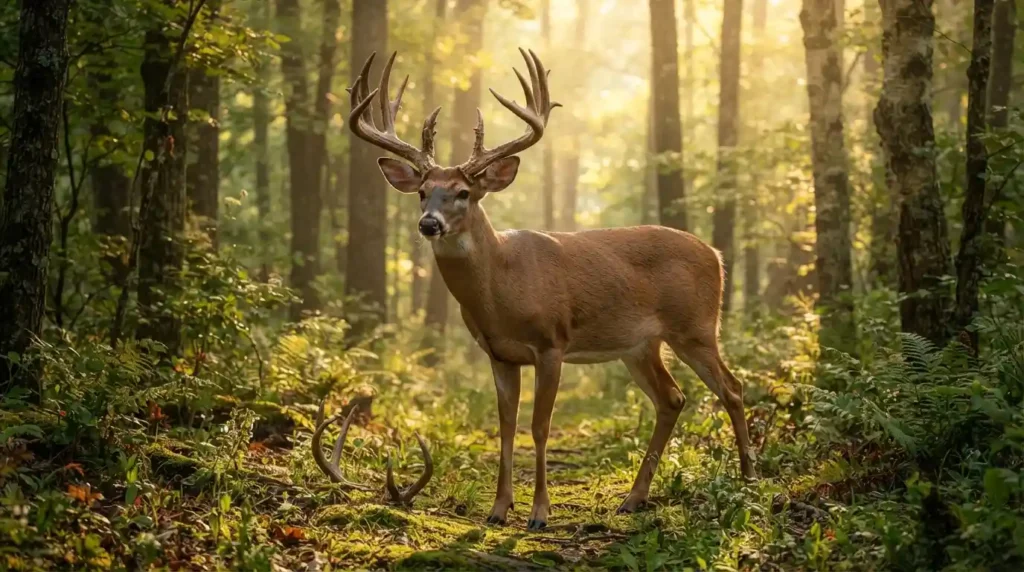
Deer are fascinating creatures with remarkable survival adaptations. Learning fun facts about what deer display helps us appreciate their keen hearing, unique antler growth, specialized eyesight, and impressive athletic abilities. These gentle animals play a crucial role in maintaining healthy ecosystems while hiding many surprising traits in plain sight.
Have you ever watched a deer gracefully leap over a tall fence in your yard? These forest animals are far more mysterious and complex than most people realize.
Exploring fun facts about deer reveals secret superpowers, hidden senses, and clever survival tactics. From their jumping abilities to their silent communication, there is always something new to learn.
Let us take a closer look at the secrets of these gentle woodland neighbors. You will never look at a deer the same way again!
The Amazing Senses of Deer
Deer rely on exceptionally sharp senses to stay safe from predators every single day. Their survival in the wild depends on noticing tiny changes in their environment.
Supercharged Hearing Mechanics
A deer can move its ears independently without turning its head. This allows them to listen in two different directions at the very same time.
Their large, cup-shaped ears act like sound funnels. They can pinpoint the exact location of a snapping twig hundreds of yards away.
Incredible Vision Dynamics
Deer have eyes located on the sides of their heads. This placement gives them a massive 310-degree field of view.
While they struggle to see fine details directly in front of them, their vision spots motion instantly. They also see extraordinarily well during dawn and dusk when predators hunt.
Odor Detection Abilities
A deer’s sense of smell is estimated to be up to 1,000 times stronger than a human’s. They use their moist noses to detect incoming danger long before it arrives.
They also smell scent markers left behind by other deer on trees and plants. This helps them identify friends, rivals, and family members effortlessly.
The Incredible World of Antlers
Antlers are among the fastest-growing living tissues in the animal kingdom. They are completely different from horns, which stay attached for an animal’s entire life.
Dynamic Annual Growth
Unlike horns, deer shed their antlers every year during late winter or early spring. Once the old pair drops off, a brand-new set immediately begins to grow.
During peak summer months, antlers can grow up to a full inch in a single day. This rapid growth requires huge amounts of nutrients and energy.
The Mystery of Velvet
While antlers are actively growing, they stay covered in soft, fuzzy skin called velvet. This velvet carries vital blood vessels and nerves that nourish the developing bone.
Once the antlers reach full size, the blood supply stops completely. The deer then rubs the dry velvet off against tree trunks, revealing hard, polished bone underneath.
Shedding and Nutrient Recycling
You rarely find dropped antlers in the forest because tiny woodland critters like mice, squirrels, and porcupines quickly eat them.
Antlers are packed with calcium, phosphorus, and other essential minerals. Nothing goes to waste in nature, making shed antlers a vital food source for smaller animals.
Surprising Deer Species Across the World
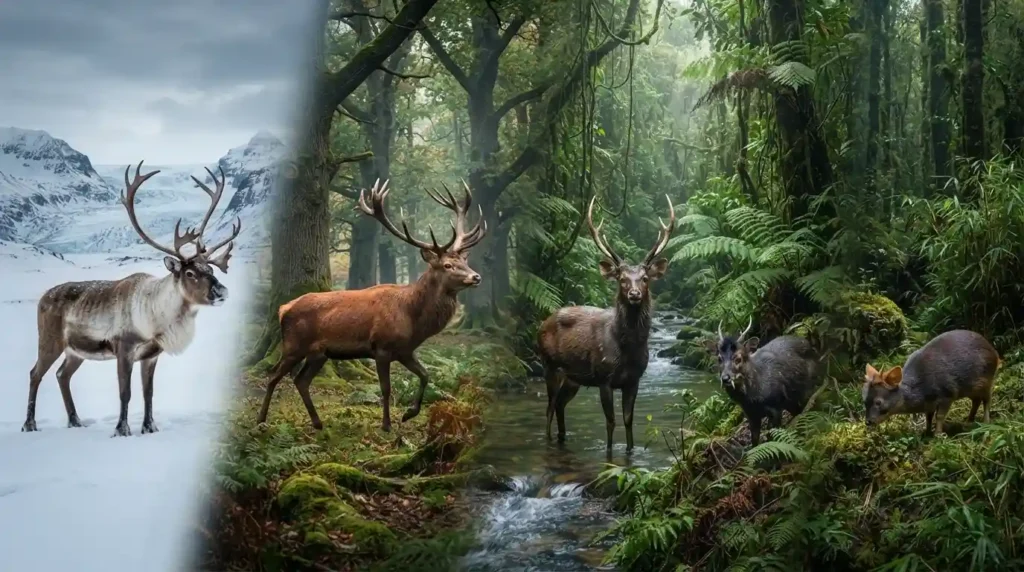
When people think of deer, they usually imagine a white-tailed deer or an elk. However, the deer family includes dozens of unique species living all over the globe.
Massive Giants and Tiny Dwarfs
The largest member of the deer family is the majestic moose. A full-grown male moose can stand over six feet tall at the shoulders and weigh well over 1,000 pounds.
On the flip side, the smallest deer is the Southern Pudu from South America. This little creature stands only about 14 inches tall, making it roughly the size of a small house dog.
The Water-Loving Chinese Water Deer
Some deer species do not grow antlers at all! The male Chinese Water Deer grows long, sharp tusk-like canine teeth instead of antlers.
These unique animals are also incredible swimmers. They comfortably paddle between small river islands to find fresh vegetation and escape land predators.
Cold Weather Adaptations in Caribou
Reindeer, also known as caribou, are the only deer species where both males and females grow antlers. Their wide, scoop-like hooves act like snowshoes, helping them move across deep snow and icy terrain.
Additionally, their hollow fur traps warm air close to the body, keeping them comfortable in freezing temperatures. A specialized nose also helps warm cold air before it reaches the lungs.
Fascinating Physical Abilities
Deer are built for speed, agility, and endurance. Their slim bodies hide powerful muscles that help them escape danger at a moment’s notice.
Speed and Agility Champions
A healthy white-tailed deer can reach running speeds of up to 30 miles per hour. They can maintain high speeds through dense brush where predators struggle to follow.
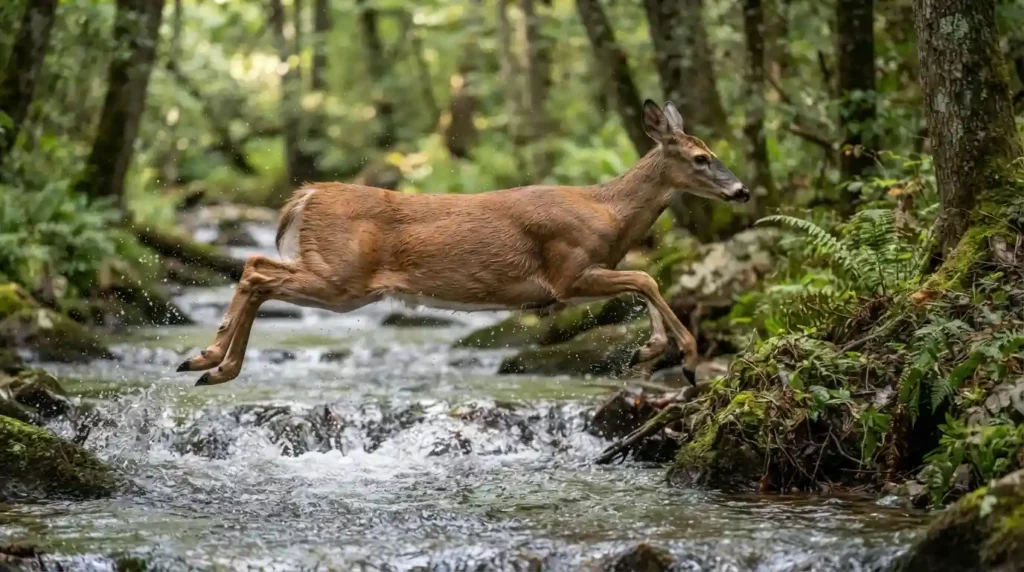
They are also elite jumpers. A deer can easily clear an eight-foot fence from a complete standstill and leap up to 30 feet in a single forward bound.
Expert Aquatic Capabilities
Many people are surprised to discover that deer are natural swimmers. They move through deep rivers and lakes with incredible confidence and speed.
Their hollow hair coats provide natural buoyancy in deep water. This floating ability helps them cross wide rivers while searching for new territory or fleeing danger.
How Deer Communicate With Each Other
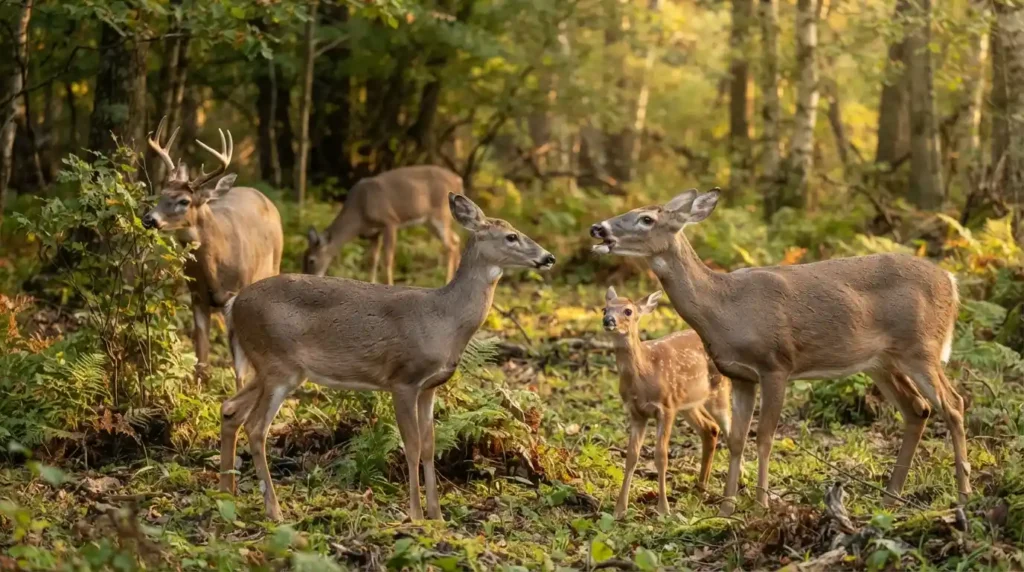
Deer are far more vocal and communicative than most people realize. They use a smart mix of sounds, body language, and chemical signals to stay connected.
Vocal Communication Signals
Fawns make soft, high-pitched bleats to call out to their mothers when hungry or lost. Mothers respond with gentle grunts to reassure their babies.
When danger approaches, an adult deer will produce a loud, sharp blowing sound. This snort alerts every other animal in the area to be on high alert.
Body Language Signs
Have you ever seen a deer raise its tail while running away? This behavior is known as flagging, and it displays the bright white underside of the tail.
Flagging acts as a visual warning flag for the rest of the herd. It signals everyone to follow immediately while distracting predators during a sudden chase.
Secret Scent Communication
Deer possess special scent glands on their legs, feet, and faces. As they walk through the woods, these glands leave behind personalized chemical signatures.
By sniffing these trail markers, other deer can tell who passed by, how long ago they were there, and even their current health status.
Daily Habits and Dietary Secrets
Understanding what deer eat and how they spend their days offers a fascinating look into their survival strategies.
Ruminant Digestion Mechanics
Like cows, deer have a complex four-chambered stomach. This multi-step digestive system allows them to digest tough, fibrous plant material that humans cannot process.
They chew their food quickly, swallow it, and rest later in safety. During rest periods, they bring up the partially digested food, known as cud, to chew it again.
What Is on the Menu?
Deer are herbivores, but they are not picky eaters. Their daily diet changes drastically based on the season.
- Green leaves and tender plant shoots during spring and summer
- Sweet fruits, berries, and fallen apples in late summer
- Rich acorns, nuts, and crops during the fall harvest
- Woody twigs, tree bark, and dry buds throughout hard winters
Life Cycle and Family Dynamics
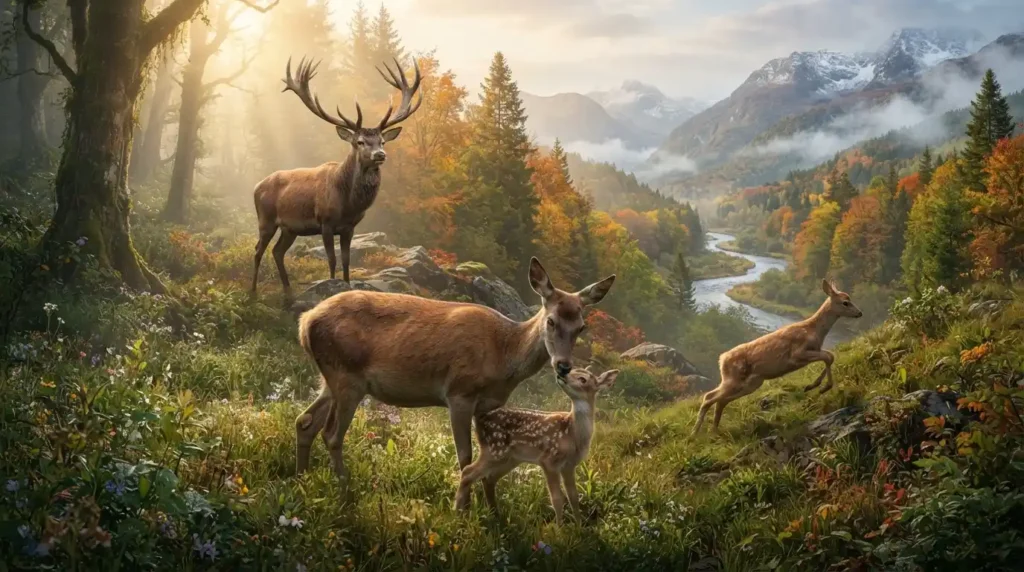
The life journey of a deer is full of growth, strong family bonds, and impressive survival skills right from day one.
The Secret World of Spotted Fawns
Fawns are born with light white spots scattered across their reddish-brown coats. These spots mimic the dappled sunlight filtering through forest leaves, hiding the baby from predators.
Additionally, newborn fawns have almost no natural scent. Mothers intentionally leave their fawns hidden in tall grass for hours to keep them completely safe from roaming predators.
Motherly Care and Independence
A mother deer, or doe, stays close by while her fawn sleeps quietly in hiding. She returns several times a day to nurse and groom her baby.
As the fawn grows stronger, it begins following its mother to learn where to find food and water. By autumn, the baby loses its white spots and gains independence.
Deer Species Comparison Guide
Deer species vary in size, appearance, habitat, behavior, and diet. Comparing these differences makes it easier to understand how each species survives in its environment and what makes it unique.
Size and Appearance
Different deer species have distinct body sizes, coat colors, antler shapes, and physical features.
Habitat and Diet
Deer live in forests, grasslands, mountains, and wetlands, adapting their diets to available plants and seasonal food.
Behavior and Lifespan
Their social habits, activity patterns, breeding behavior, and lifespan can differ significantly between species.
How Deer Help Our Forests
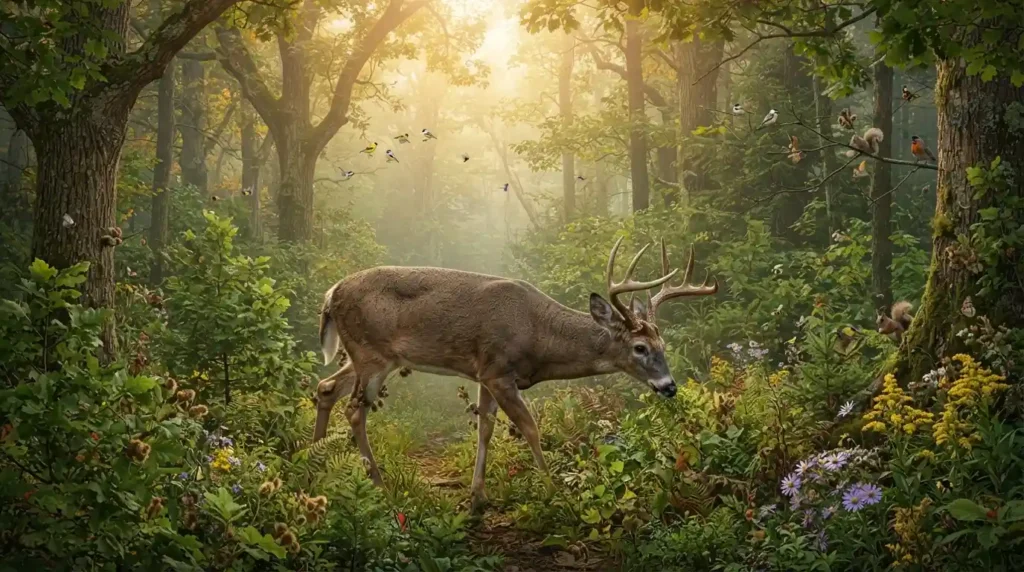
Deer play an essential role in keeping forest ecosystems healthy and balanced. They are true nature gardeners!
Seed Dispersal Services
As deer travel over vast distances eating wild berries and fruits, they spread plant seeds through their droppings. This helps clearings grow new flowers, bushes, and trees naturally.
Forest Pruning and Habitat Creation
By nibbling on lower leaves and branches, deer prevent brush from growing too thick. This natural pruning opens up sunny paths on the forest floor, helping smaller plants receive sunlight.
Their browsing habits also create clear pathways that smaller animals like rabbits, turtles, and wild turkeys use to move around safely.
Practice Exercise
- What unique vision feature helps deer detect moving predators across broad open spaces?
A. Vertical cat-like pupils
B. Eyes located on the sides of their head
C. Ability to see complete darkness like owls
D. Telescopic zoom vision - How fast can deer antlers grow during peak summer months?
A. Up to one inch per day
B. One foot per week
C. One inch per month
D. They only grow in winter - Which animal holds the title as the largest deer species in the world?
A. Red Deer
B. Elk
C. Moose
D. Mule Deer - What natural feature hides newborn fawns from predators in tall grass?
A. Bright red fur
B. White spots that mimic dappled sunlight
C. Dark black camouflage stripes - D. Fluffy winter coats
- Why do wild mice and squirrels eat dropped deer antlers?
A. To sharpen their claws
B. To clear paths in the woods
C. To get essential minerals like calcium
D. They use them to build winter nests - Which deer species features males with long tusk-like canine teeth instead of antlers?
A. White-tailed Deer
B. Chinese Water Deer
C. Reindeer
D. Fallow Deer - How high can a white-tailed deer leap over an obstacle from a standing position?
A. Up to 3 feet
B. Up to 5 feet
C. Up to 8 feet
D. Up to 15 feet
Answer Key
1. B | 2. A | 3. C | 4. B | 5. C | 6. B | 7. C | 8. C
FAQs
1. Do deer shed their antlers every year?
Yes, deer shed their antlers every year. After the autumn mating season ends, lower hormone levels cause the bone base to weaken. The old antlers fall off during late winter, and a fresh pair starts growing immediately in spring.
2. Can deer see colors the same way humans do?
No, deer do not see colors the same way humans do. They are red-green colorblind, meaning orange and red colors blend into their surroundings. However, their eyes are extremely sensitive to blue shades and ultraviolet light wavelengths.
3. Why do deer lick salt blocks left outdoors?
Deer lick salt blocks because they need vital minerals that regular forest plants lack. Essential nutrients like sodium, calcium, and magnesium support strong bone growth, antler development, and healthy milk production for nursing mothers.
4. How do deer sleep without getting caught by predators?
Deer sleep in short, light naps lasting only a few minutes at a time. They usually stay bedded down in hidden areas with their ears twitching to monitor sounds, staying ready to leap up and run if danger approaches.
5. Are deer capable of swimming across broad rivers?
Yes, deer are excellent swimmers capable of crossing wide rivers easily. Their strong legs push them through the water efficiently, while their hollow fur coats act like natural life jackets to keep them floating smoothly.
Conclusion
Discovering these amazing fun facts about deer opens our eyes to the wonders of the natural world. From their astonishing jump heights and rapid antler growth to their secret scent signals, deer are master survivalists of the forest.
Next time you spot a deer near the woods, take a moment to admire its keen ears and watchful eyes. Sharing these fascinating facts with friends and family is a wonderful way to spark curiosity about local wildlife! What was your favorite deer fact?

Zoey Carter is the creator and writer behind funsvibe.com, a friendly website where readers can discover interesting, entertaining, and useful content. She enjoys exploring different topics and turning fresh ideas into simple, engaging articles that are easy to understand. Zoey believes that good content should be informative while still feeling natural and enjoyable to read.
Through funsvibe.com, Zoey Carter focuses on sharing original, reader friendly content with a warm and conversational style. She enjoys researching new subjects, discovering helpful information, and presenting ideas in a clear way. Her goal is to make every visit enjoyable while giving readers something valuable to discover and remember.