
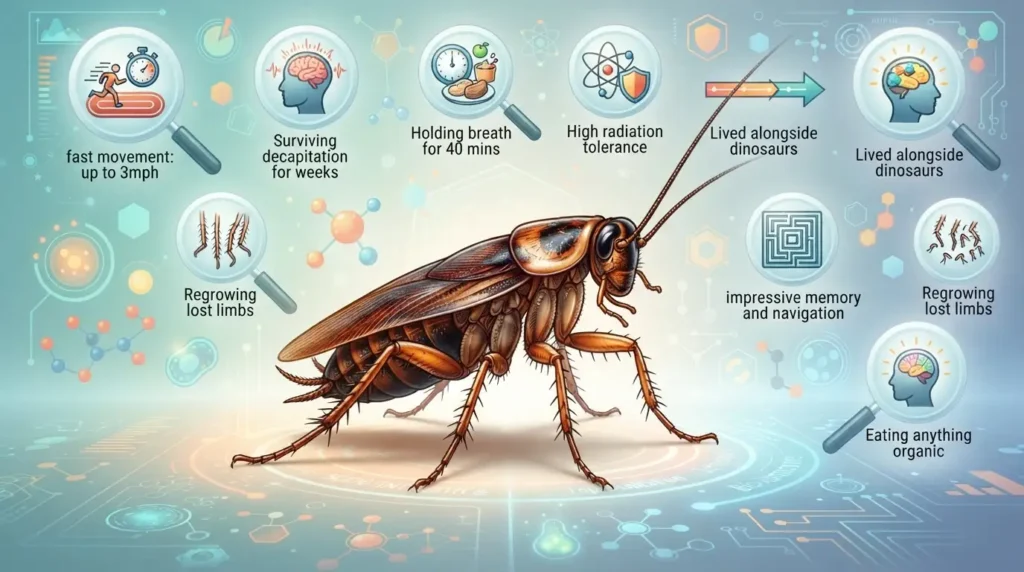
Cockroaches are ancient, incredibly resilient insects that have survived for over 300 million years. These fun facts about cockroaches show how they can live for weeks without a head, hold their breath underwater, run at high speeds, and adapt to almost any environment on Earth.
Have you ever flipped on a kitchen light late at night and watched a tiny creature dash across the counter like a professional sprinter? These wild fun facts prove that these creepy crawlers are far more fascinating than most people realize.
While seeing one near your snack pantry might make you jump, learning how they operate changes your perspective completely. From ancient survival tricks to surprising social habits, exploring fun facts cockroaches reveal gives us an eye-opening look into nature’s tough designs.
Let’s take a friendly journey into the hidden world of these legendary insects!
Ancient Survivors: How Cockroaches Outlived the Dinosaurs
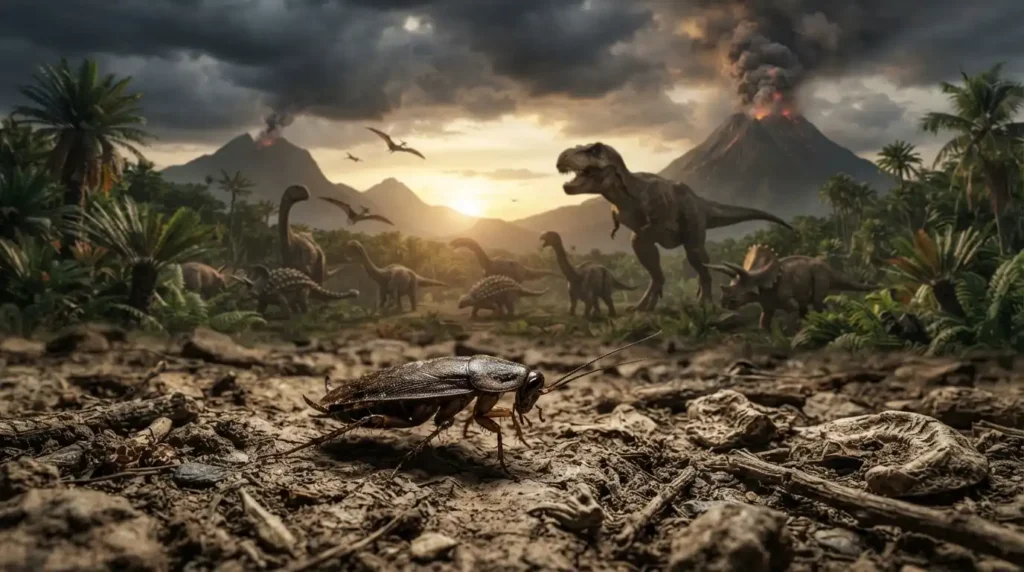
Cockroaches are true living fossils that were walking around long before giant reptiles ruled our planet. Fossil records show that early cockroach ancestors appeared more than 300 million years ago during the Carboniferous period.
When a massive asteroid struck Earth 66 million years ago and wiped out the dinosaurs, cockroaches barely blinked. Their small size, flexible diets, and burrowing habits allowed them to hide safely underground while global wildfires raged above.
The Secrets Behind Their Armor
A cockroach owes much of its evolutionary success to its tough yet flexible outer skin, called an exoskeleton. This protective shell is made of a lightweight material called chitin that acts like a built-in suit of body armor.
Because this exoskeleton is divided into overlapping plates connected by soft membranes, a roach can bend, twist, and flatten its body effortlessly. This allows them to slip into tiny wall cracks that look impossibly small to the human eye.
Squeezing Through Invisible Gaps
A fully grown cockroach can compress its body down to less than a quarter of its normal standing height. They can squeeze through gaps no thicker than a standard credit card in a fraction of a second.
Even while flattened inside a narrow crack, their legs are designed to push them forward at full speed. This unique capability lets them escape hungry birds, lizards, and human boots with ease.
The Decapitation Myth: Living Without a Head
One of the most famous claims about these bugs is that they can survive long periods without their heads attached. Unlike humans, this shocking tale happens to be completely true due to how their bodies operate.
How Cockroaches Breathe Without Mouths or Lungs
Humans rely on a centralized nervous system where the brain controls breathing through our mouth and nose. Cockroaches do not have lungs, nor do they breathe through their faces at all.
Instead, they take in air through tiny breathing pores called spiracles scattered along the sides of their body segments. These pores transport oxygen directly to their muscles and internal organs through tiny tubes called tracheae.
Why a Headless Roach Eventually Dies
Because a cockroach breathes through its body sides and relies on local nerve centers called ganglia to move, losing its head does not cause instant death. It can still stand, react to touch, and move around for several days.
Without a head, however, the insect loses its mouth and cannot drink water or eat food. It eventually dies of simple dehydration after a week or two, rather than from the physical injury itself.
Lightning Speeds and Ninja-Like Reflexes
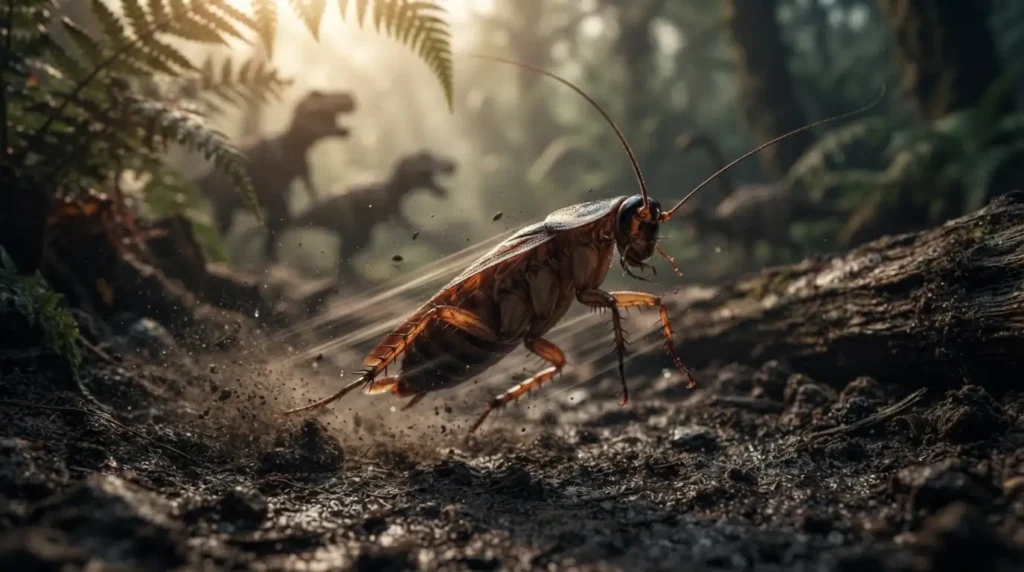
If you have ever tried to swat a cockroach with a folded newspaper, you already know how fast they can react. They do not rely on great eyesight to dodge danger; they use advanced physical sensors.
Built-in Wind Sensors on Their Tail
At the back end of a cockroach’s body sit two small, sensory appendages called cerci. These tiny antennae-like tails are covered in microscopic hairs that can feel minute air currents caused by a moving hand or shoe.
When air moves across these hairs, an emergency nerve signal bypasses the main brain and goes straight to the legs. This lightning-fast reflex loop triggers a turn-and-run response in as little as 8 milliseconds!
Running Speed Relative to Body Size
An American cockroach can sprint at top speeds of roughly 3 miles per hour (5 kilometers per hour). While that might not sound super fast at first, it is blazing speed for an insect that measures only an inch long.
If you scaled a roach up to the size of a human sprinter, it would be running at over 200 miles per hour! That relative speed allows them to cross an entire room before you even realize where they went.
Shocking Physical Abilities and Adaptations
Beyond speed and headless survival, cockroaches boast several physical superpowers that keep pest control experts on their toes.
Holding Their Breath Underwater
Cockroaches can hold their breath for up to 40 minutes at a time without suffering any brain or body damage. They accomplish this by tightly closing their spiracles to prevent water from filling their respiratory tubes.
They often shut their breathing pores to manage internal water loss in dry environments, too. This ability allows them to survive being flushed down a toilet or trapped inside humid plumbing pipes for short periods.
Nuclear Radiation Resistance
It is a popular urban legend that cockroaches would be the only survivors of a nuclear blast. While they cannot survive a direct blast, they are significantly more resistant to nuclear radiation than human beings.
Human cells are sensitive to radiation because our body cells divide rapidly. Cockroach cells divide much more slowly, only splitting when the insect molts its skin, giving them a radiation tolerance roughly 6 to 15 times higher than ours.
Social Lives: They Make Decisions as a Group
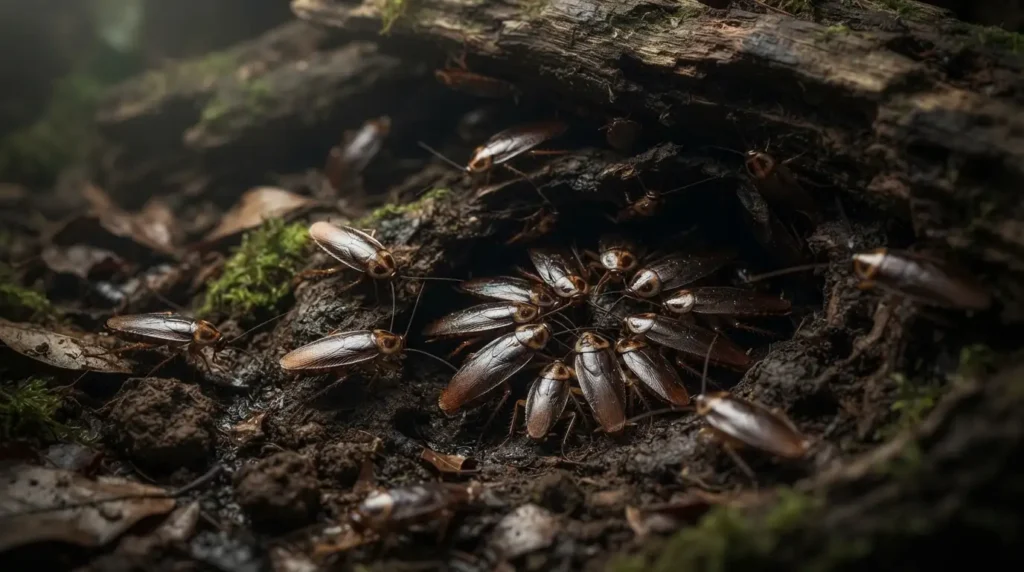
While many people view roaches as lonely scavengers, scientists have discovered that they are highly social insects. They live in family groups, communicate through chemical scent cues, and even make democratic choices.
Chemical Messages: The Secret Smell Language
Cockroaches leave behind special chemical messages called aggregation pheromones in their droppings and skin shed. This distinct scent tells other roaches that a specific hiding spot is safe, warm, and close to food.
When one roach discovers a dark cabinet with crumbs, it leaves a scent trail for its friends to follow. This chemical signal explains why you rarely find just one lone roach in a home infestation.
Group Decision Making and Democratic Hiding
Scientists running laboratory tests discovered that cockroaches perform group decision-making without a clear leader. When presented with two identical dark shelters, an entire group will negotiate using scent signals until everyone moves into the same space.
They prefer to stay together in crowded clusters rather than split up evenly across available shelters. This group living helps them retain body moisture and maintain cozy micro-climates in their nests.
The Baffling Food Habits on the Planet
Cockroaches are true dietary opportunists that will eat practically anything containing organic molecules. Their tough digestive systems rely on specialized internal bacteria to break down unusual substances.
What Do Cockroaches Eat in the Wild?
In natural outdoor ecosystems, roaches perform an essential service as nature’s ultimate cleanup crew. They feast on rotting wood, fallen leaves, decaying fruit, dead animal matter, and animal droppings.
By digesting this waste, they break down organic matter and release vital nitrogen back into the soil. Without wild forest roaches, plant ecosystems would choke under piles of undecomposed debris.
Bizarre Things Indoor Roaches Consume
Inside human homes, their diet gets even weirder when standard food crumbs run out. A hungry cockroach can happily digest:
- Book Binding Glue: The starch-based paste used in old book covers makes a tasty snack.
- Bar Soap Scraps: They digest the fatty animal oils present in traditional soap bars.
- Fallen Human Hair: Stray hair strands and shed skin flakes provide usable protein.
- Cardboard Boxes: They chew through corrugated glue layers inside storage boxes.
- Toenail Clippings: Discarded toenails contain keratin protein that roaches can break down.
Cockroach Reproduction: Bizarre Parenting Habits
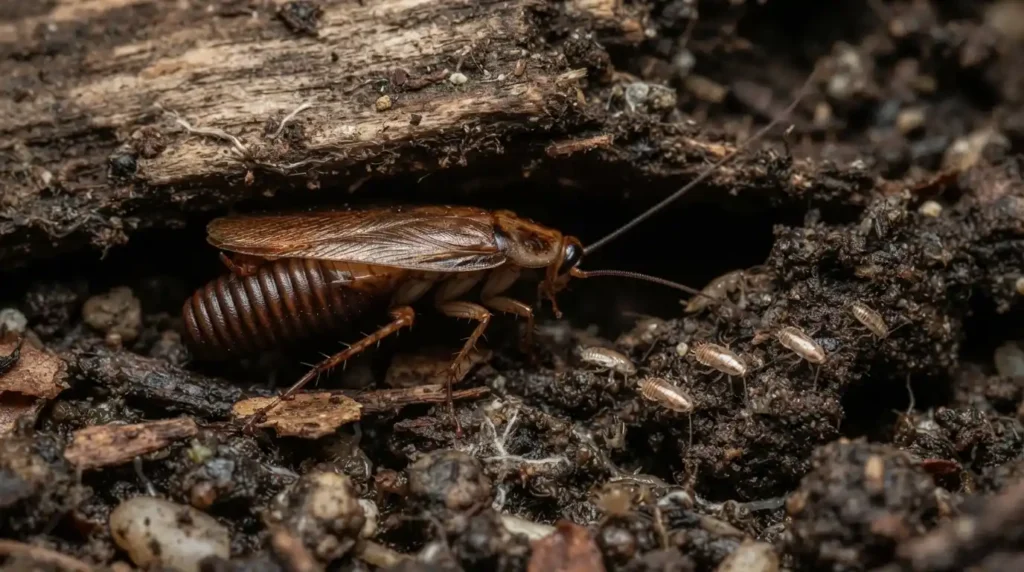
The reproductive strategies of cockroaches explain why eradicating an infestation requires persistent effort. They protect their offspring using specialized egg cases designed to withstand harsh outdoor conditions.
The Ootheca: The Ultimate Protective Purse
Female cockroaches do not lay loose, delicate eggs one at a time as many insects do. Instead, they produce a tough, leathery capsule called an ootheca that seals inside multiple embryos.
Depending on the specific species, a single ootheca can house anywhere from 16 to over 40 developing babies. The outer walls of this egg case are waterproof and resistant to many household sprays.
Live Births and Cockroach Milk
While most roaches carry or drop their egg cases, some species give live birth to their young. The Pacific beetle cockroach keeps its developing embryos inside its body until they are fully formed.
Even stranger, the mother feeds her growing embryos a liquid secretion packed with fats and sugars known as cockroach milk. Protein crystals found in this roach milk are estimated to be three times more nutritious than cow’s milk!
Not All Roaches Are Pests: The Good Side of Insects
Mentioning cockroaches usually brings up mental images of dirty kitchens, but pest species are actually a tiny minority. Out of more than 4,500 known cockroach species worldwide, only about 30 species ever interact with humans.
Essential Ecosystem Workers
The vast majority of cockroach species live deep inside tropical rainforests, deserts, and mountain caves. They spend their lives turning dead vegetation into rich topsoil while serving as an important food source for birds, small mammals, and amphibians.
In fact, if all wild cockroaches were to suddenly disappear, global forest ecosystems would suffer severe nitrogen shortages. Soil health would collapse, affecting thousands of plant and animal species worldwide.
Gentle Giants: The Madagascar Hissing Cockroach
The Madagascar hissing cockroach is a popular pet and educational animal around the globe. These large, wingless insects are completely harmless to humans, possess no biting jaws, and move slowly.
When startled, they force air out through their breathing pores to create a loud, distinctive hiss. They use this hissing sound to scare off predators, defend territory, and communicate with potential mates.
How Cockroaches Impact Human Health
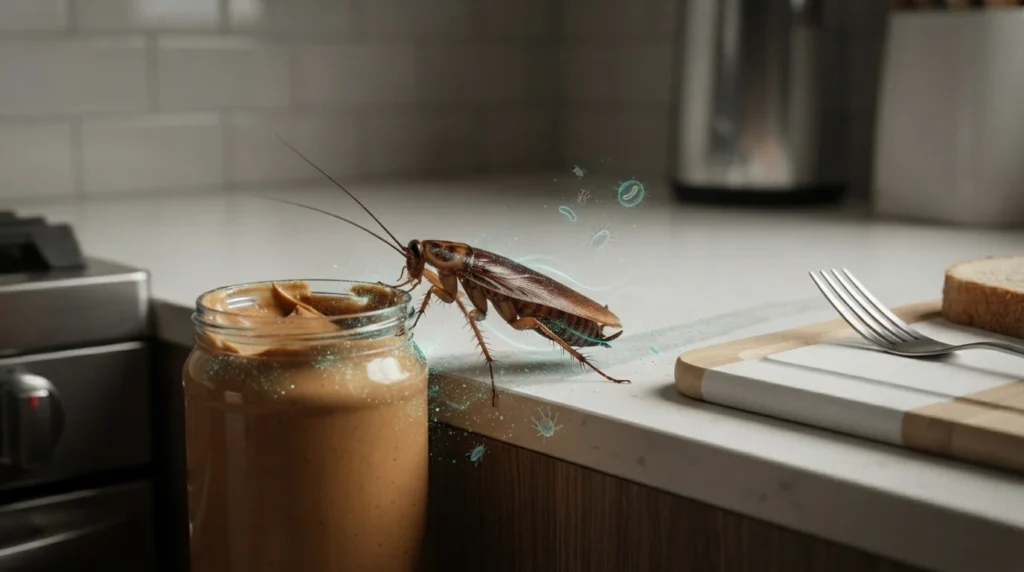
While wild roaches are ecological heroes, house-infesting species present real health concerns for human families. Understanding these risks helps us manage infestations safely and effectively.
Asthma and Allergy Triggers
Cockroaches continuously shed their outer skins as they grow and leave behind tiny droppings around their nesting sites. When these dried particles break down, they float into indoor air like invisible dust.
Inhaling these proteins can trigger severe asthma attacks and chronic allergies, especially in young children. Pest management in schools and homes significantly reduces these dangerous airborne allergens.
Spreading Harmful Bacteria
Because pest roaches love traveling through damp sewers, drain pipes, and garbage piles, their spiky legs pick up bad microbes. They carry bacteria like Salmonella and E. coli on their outer bodies.
When they crawl across kitchen counters, cutting boards, or open food containers at night, they transfer these bacteria directly onto human surfaces. Washing food prep surfaces before cooking keeps your household safe.
Modern Science Inspired by Cockroaches
Believe it or not, engineers and medical researchers are actively studying cockroach bodies to build better technology for human use. Their unique physical traits provide solutions to complex mechanical problems.
Bio-Inspired Rescue Robots
Roboticists at leading universities study how roaches compress their bodies to run through rubble without slowing down. They use these insights to design flexible, squishy search-and-rescue robots.
These small roach-like robots can crawl through collapsed buildings after earthquakes to locate survivors trapped under heavy concrete. Their mechanical flexibility lets them navigate tight spaces where humans and dogs cannot fit.
Advanced Medical Adhesives
Researchers are also examining the sticky pads located on cockroach feet. These specialized pads allow roaches to walk upside down across smooth glass ceilings without falling off.
By mimicking the microscopic structures on roach feet, scientists are engineering non-toxic medical tapes and surgical glues that stick securely to wet human tissues inside the body.
Smart Strategies to Keep Roaches Away

Preventing roaches from entering your home relies on simple habits that disrupt their survival needs: water, food, and dark shelter.
- Eliminate Standing Water: Fix leaky faucets under sinks immediately, as roaches need daily water more than food.
- Store Food in Airtight Containers: Move cereal, flour, and pet food out of cardboard boxes and into sealed glass or plastic jars.
- Wipe Down Counters Daily: Remove tiny kitchen grease splatters and breadcrumbs every night before turning off the lights.
- Seal Exterior Cracks: Use silicone caulk to plug gaps around utility pipes, door frames, and baseboards.
- Declutter Storage Spaces: Toss out unused cardboard boxes and stacks of paper bags that provide warm hiding spots.
Practice Exercise
- Approximately how many years ago did early cockroach ancestors first appear in the fossil record?
A. 10 million years ago
B. 66 million years ago
C. 300 million years ago
D. 1 billion years ago - How do cockroaches breathe air into their bodies?
A. Through large nostrils located near their eyes
B. Through tiny pores called spiracles on their body sides
C. Through their long, flexible antennae
D. Through tiny mouth openings on their legs - Why can a cockroach survive for a week or two without its head?
A. Its brain is located in its back legs.
B. It breathes through its body pores and uses local nerve centers to move.
C. It stores months of oxygen inside its hard outer shell.
D. It goes into a deep hibernation state immediately. - What sensory structures at the rear of a cockroach detect slight air movements from predators?
A. Mandibles
B. Spiracles
C. Ootheca
D. Cerci - Approximately how long can a cockroach hold its breath underwater?
A. 5 minutes
B. 15 minutes
C. 40 minutes
D. 3 hours - What material makes up the tough outer exoskeleton of a cockroach?
A. Keratin
B. Chitin
C. Collagen
D. Cellulose - How do group-living cockroaches communicate the location of safe hiding spots to one another?
A. By tapping their legs against wooden surfaces
B. By releasing chemical scents called aggregation pheromones
C. By producing high-pitched buzzing sounds with their wings
D. By flashing glowing light patterns from their abdomens - Out of the more than 4,500 known cockroach species worldwide, about how many are considered household pests?
A. Around 30
B. Around 500
C. Around 1,500
D. All 4,500 species - What is the protective, leathery capsule that holds cockroach eggs called?
A. A pupa
B. A cocoon
C. An ootheca
D. A nymph
Answer Key
1. C | 2. B | 3. B | 4. D | 5. C | 6. B | 7. B | 8. A
FAQs
1. Do cockroaches fly, or do they only run?
While most cockroach species prefer running, many species have fully developed wings and can fly short distances in warm weather. Some indoor roaches use their wings to glide down from high ceilings when startled.
2. How long can a cockroach live without any food?
A healthy adult cockroach can survive for up to one month without eating any food at all. However, they are much more sensitive to dehydration and will die within a single week if they do not have access to water.
3. Can a cockroach bite humans while they sleep?
Cockroach bites on humans are extremely rare because roaches are naturally afraid of large creatures. A roach might accidentally nibble on a human only during a severe, out-of-control infestation where their normal food sources have completely run out.
4. Why do cockroaches die flipped over on their backs?
Indoor roaches often die on their backs because smooth tile floors make it hard for a weakening roach to regain its footing. As floor insecticides affect their nervous system, their muscle coordination fails, and they tumble over without the strength to flip back.
5. Are baby cockroaches more dangerous than adult ones?
Baby cockroaches, called nymphs, carry the same health risks as adult roaches because they crawl across the same dirty surfaces. While they cannot fly or reproduce yet, their presence indicates an active, growing nest inside the building.
6. How do Madagascar hissing cockroaches make their loud noise?
Unlike crickets that rub their legs together to make noise, hissing roaches force air out through their respiratory spiracles. This sudden rush of air creates a loud, dramatic hiss that scares away potential predators in the rainforest.
Conclusion
Exploring these fun facts cockroaches reveal proves that these often-disliked insects are true marvels of natural engineering. Their unbelievable speed, unique social habits, and unmatched survival skills have kept them thriving on Earth for hundreds of millions of years.
While we certainly do not want them sharing our kitchen snacks, we can still admire their incredible biological adaptations from a distance. Respecting their role as nature’s ultimate cleanup crew helps us appreciate the wider balance of our global ecosystems.
Did any of these survival tricks surprise you? Share these amazing cockroach facts with your friends today and turn their disgust into scientific wonder!

Zoey Carter is the creator and writer behind funsvibe.com, a friendly website where readers can discover interesting, entertaining, and useful content. She enjoys exploring different topics and turning fresh ideas into simple, engaging articles that are easy to understand. Zoey believes that good content should be informative while still feeling natural and enjoyable to read.
Through funsvibe.com, Zoey Carter focuses on sharing original, reader friendly content with a warm and conversational style. She enjoys researching new subjects, discovering helpful information, and presenting ideas in a clear way. Her goal is to make every visit enjoyable while giving readers something valuable to discover and remember.