
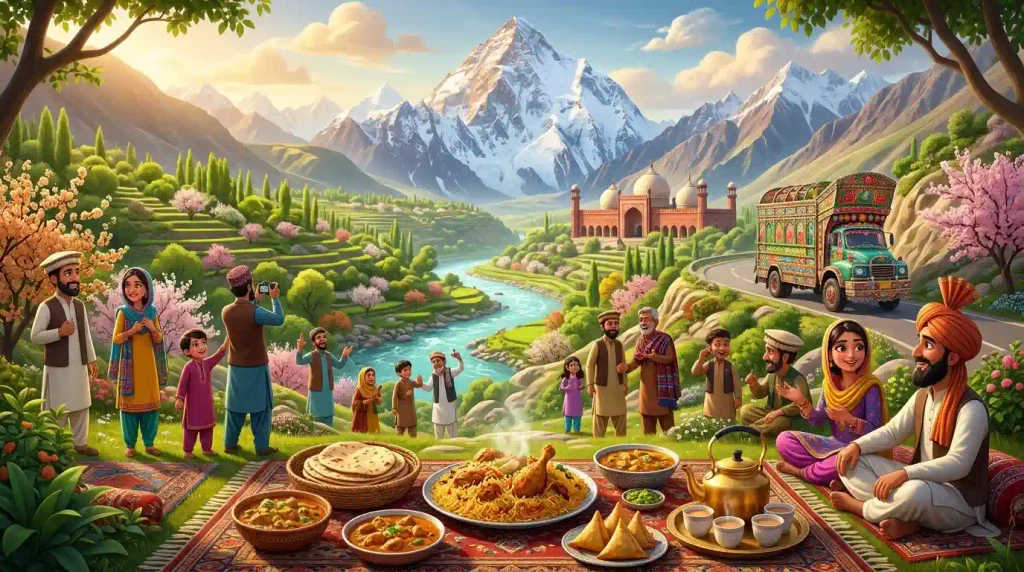
Pakistan is a land of incredible geographical diversity, rich ancient history, and world-renowned craftsmanship. Discovering these fascinating fun facts Pakistan offers reveals how this vibrant nation produces most of the world’s hand-stitched soccer balls, hosts the highest paved international road, and preserves one of humanity’s earliest urban civilizations.
Have you ever wondered where the official match balls for the FIFA World Cup are actually made, or where to find the world’s highest paved border crossing? Pakistan is a land full of jaw-dropping landscapes, ancient history, and mind-boggling human achievements that often fly under the radar.
If you are looking for unbelievable fun facts Pakistan has to share, you have come to the perfect place. Let us explore the remarkable story of this South Asian nation together!
You will soon see that there is so much more to this vibrant country than what you read in quick news headlines. Learning these fun facts Pakistan experts love will give you a fresh perspective on its rich heritage and welcoming culture!
By discovering these mind-blowing fun facts Pakistan holds, you can impress your friends with surprising geographic and historical trivia. Let us jump right into these amazing discoveries and celebrate what makes this country so unique!
World Records and Incredible Geography
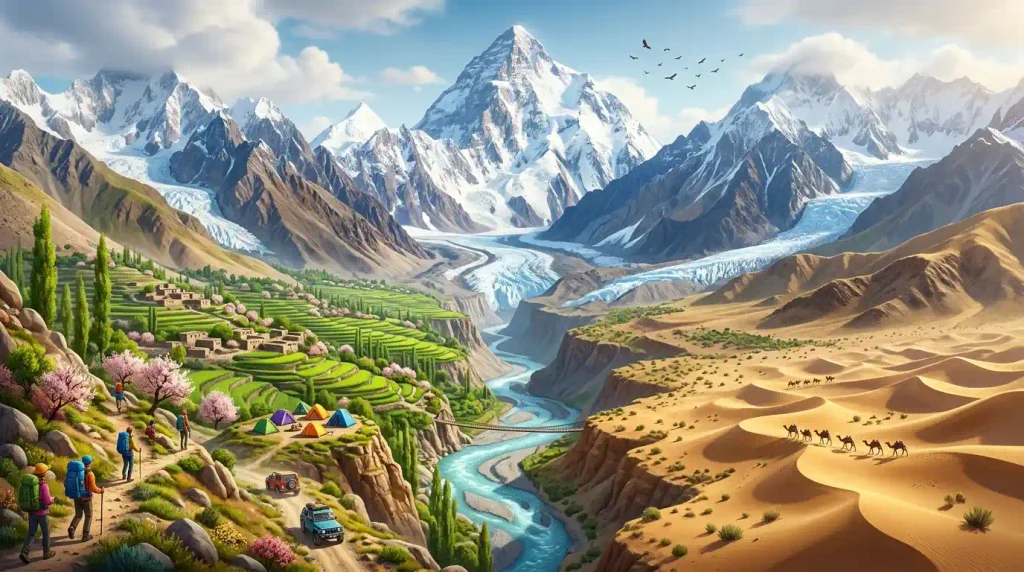
Pakistan features some of the most dramatic landscapes on Earth, stretching from warm coastal beaches on the Arabian Sea to frozen mountain peaks touching the sky. The physical features of this land hold multiple world-class records that leave geography lovers in complete awe.
Home to the World’s Second-Tallest Mountain
Mountain climbers from around the globe know Pakistan as the home of K2, the second-highest peak on the planet. Standing at an impressive 8,611 meters (28,251 feet) above sea level, K2 sits right on the border between Pakistan and China.
Climbers often call K2 the dreadful Mountain because it is far steeper and more dangerous to climb than Mount Everest. Three of the world’s highest mountain ranges—the Himalayas, the Karakoram, and the Hindu Kush—all meet together in northern Pakistan.
The Highest Paved International Road on Earth
Running through the Karakoram Range lies the incredible Karakoram Highway, often called the Eighth Wonder of the World. This massive engineering marvel connects Pakistan with China through the Khunjerab Pass at an altitude of 4,693 meters (15,397 feet).
Constructing this road required cutting through solid granite rock and navigating steep river valleys for over twenty years. Today, it stands as the highest paved international road anywhere on Earth, offering breathtaking views of snow-capped peaks.
The Largest Earth-Filled Dam in the World
Tarbela Dam, built along the mighty Indus River in Khyber Pakhtunkhwa, holds the title of the world’s largest earth-filled dam. Engineers constructed this colossal structure using rocks and soil to create a massive freshwater reservoir.
- It generates substantial hydroelectric power for millions of homes and businesses across the country.
- The reservoir spans over 250 square kilometers, storing vital irrigation water for agricultural fields.
- The total volume of material inside the dam wall exceeds 106 million cubic meters.
Giant Glaciers Outside the Polar Regions
Vast in the North and South Poles, Pakistan holds more glacial ice than almost any other country on the planet. The Karakoram range alone contains thousands of active glaciers carving through high mountain valleys.
The Biafo Glacier and the Siachen Glacier stretch for dozens of miles through remote high-altitude terrain. These massive ice reservoirs feed major river systems that provide drinking water for over two hundred million people downstream.
Ancient History and Lost Civilizations
Long before modern nations existed, the land that makes up Pakistan hosted some of the oldest human settlements in human history. Archaeologists continue to dig up fascinating clues about how ancient communities lived thousands of years ago.
The Mysteries of the Indus Valley Civilization
Over 4,000 years ago, Mohenjo-daro and Harappa flourished as twin metropolis hubs of the Indus Valley Civilization. These ancient cities featured advanced brick houses, covered drainage channels, and indoor bathing rooms that rivaled modern cities.
Advanced Urban Planning in Mohenjo-daro
City builders arranged Mohenjo-daro on a precise grid system using standardized baked bricks. Residents enjoyed clean water from deep brick wells and used complex waste systems built right under the paved streets.
The Undeciphered Ancient Script
Archaeologists have discovered thousands of small stone seals featuring delicate animal carvings and short lines of mysterious writing. To this day, linguists have been unable to decode the Indus script, leaving their written language a complete mystery.
The Ancient University Town of Taxila
Located near the modern capital of Islamabad, Taxila was an ancient seat of higher learning that attracted scholars from across Asia. Students traveled for months to study philosophy, medicine, archery, and astronomy under famous master teachers.
Taxila served as a major crossroads where Greek, Persian, and Buddhist cultures blended harmoniously. Today, visitors can walk through preserved stone ruins, monasteries, and stupas that date back thousands of years.
The Oldest Known Settlement at Mehrgarh
Even before Mohenjo-daro was built, an ancient farming community lived at Mehrgarh in Balochistan as early as 7000 BCE. Excavations reveal that these early people farmed wheat, kept livestock, and built sturdy mud-brick homes.
Intriguingly, archaeologists discovered evidence of early dentistry at Mehrgarh, where dentists used tiny flint drills to repair teeth! It represents some of the earliest physical evidence of human dental work ever found.
Industrial Marvels and World-Class Craftsmanship
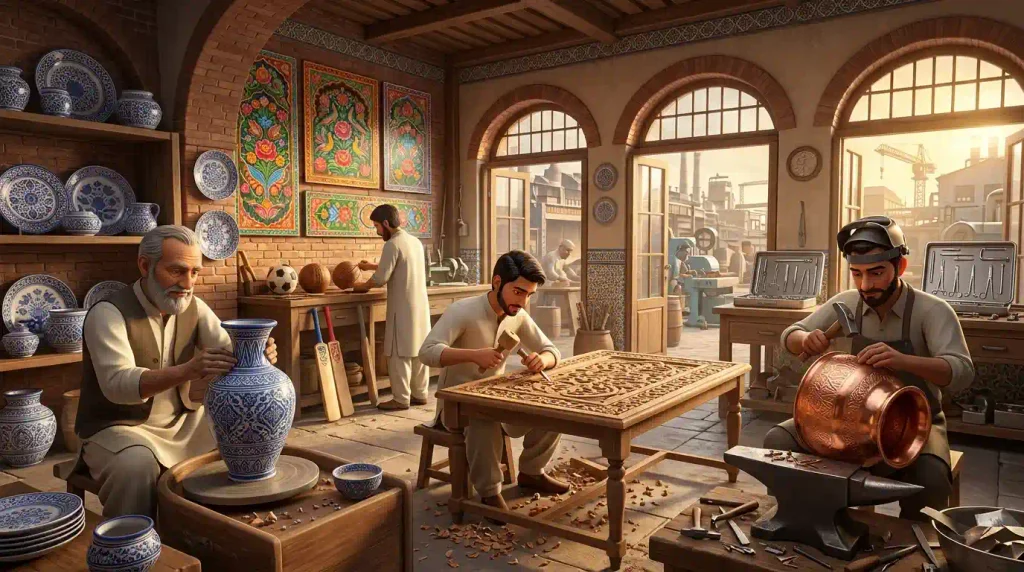
Pakistan produces an impressive array of manufactured goods that reach every single corner of the globe. From sports equipment to vibrant transport art, local craftsmanship combines traditional skills with massive production output.
The Capital of Global Soccer Ball Manufacturing
If you have ever kicked a soccer ball during a local match or watched the FIFA World Cup on television, chances are high that ball was made in Pakistan. The city of Sialkot produces over 70 percent of the world’s hand-stitched soccer balls!
Local factories employ skilled craftspeople who meticulously stitch leather panels together by hand to ensure perfect roundness and durability. During major tournament years, Sialkot exports tens of millions of premium match balls around the globe.
Vibrant Truck Art Culture
Driving down a Pakistani highway feels like walking through a moving open-air art gallery thanks to the iconic truck art tradition. Truck drivers spend thousands of dollars decorating their heavy transport vehicles with vibrant hand-painted flowers, landscapes, and poetry.
Materials and Intricate Metalwork
Artists use colorful oil paints, reflective tape, and hand-carved wooden panels to transform plain metal cabs into artwork. Intricate brass trimmings and hanging chains jingle rhythmically as the trucks travel along long highways.
Personal Stories on the Road
Each truck’s artwork tells a personal story about the driver’s hometown, religious faith, or family life. Drivers take immense pride in their decorated rigs, viewing them as comfortable moving homes during multi-week journeys.
The World’s Second-Largest Salt Mine
Deep beneath the salt range in Khewra lies the ancient Khewra Salt Mine, the second-largest salt mining operation in the world. Legend says Alexander the Great’s horses first discovered the pink salt deposits when they stopped to lick the rocks in 320 BCE!
Today, miners extract thousands of tons of pink Himalayan salt every single year for cooking and decorative lamps. Inside the mine, workers built a giant glowing mosque and miniature landmarks using translucent pink salt bricks.
Unique Wildlife and Biodiversity
From high alpine meadows to mangrove forests along the coast, Pakistan provides critical shelter for diverse and rare animal species. Dedicated conservation efforts work hard to protect these iconic animals for future generations.
The National Animal: The Majestic Markhor
The official national animal of Pakistan is the Markhor, a magnificent wild goat famous for its long spiral horns. The name Markhor comes from ancient Persian words meaning snake-eater, referring to local folklore about the animal.
These sure-footed goats navigate sheer cliff faces in northern mountain ranges to escape natural predators like snow leopards. Successful community-managed conservation programs have helped Markhor populations recover significantly over recent decades.
Blind Freshwater Dolphins of the Indus River
The Indus River is home to the Indus River Dolphin, one of the rarest freshwater dolphin species on the planet. Millions of years of swimming in muddy river waters caused these unique mammals to lose their eyesight completely.
Instead of relying on eyes, they use sophisticated echolocation sound waves to navigate murky river currents and hunt small fish. Local river communities work alongside conservation groups to protect these endangered pink-gray dolphins.
The Elusive Snow Leopard Habitats
The high mountain peaks of Karakoram and Gilgit-Baltistan serve as prime hunting territory for the endangered snow leopard. Often called the ghost of the mountains, these solitary big cats blend seamlessly into rocky, snow-covered cliffs.
Their thick fur coats, extra-large paws, and long bushy tails help them survive temperatures well below freezing. Camera traps set up by researchers capture stunning footage of these mysterious cats roaming high alpine passes.
Culture, Music, and Culinary Treasures
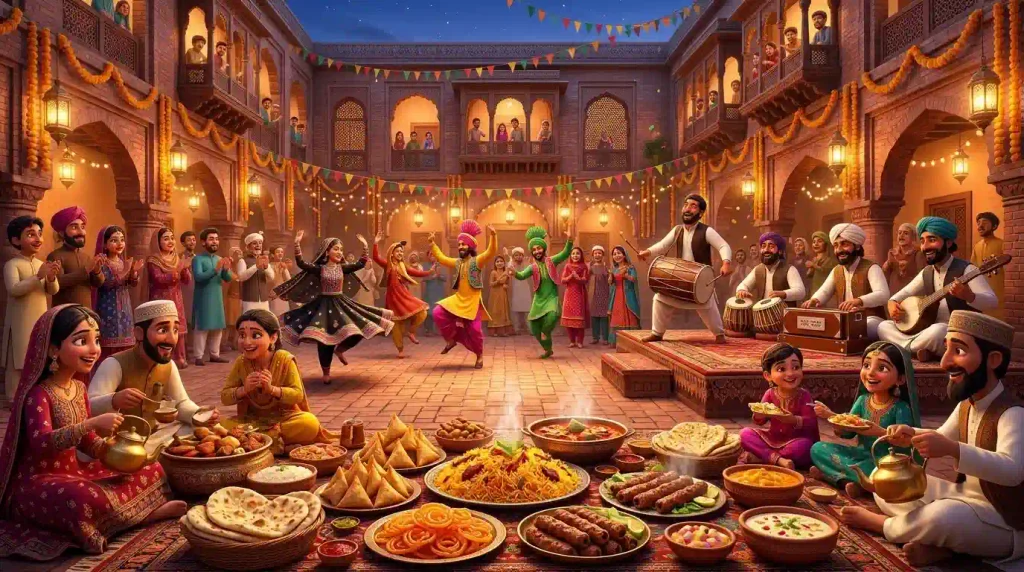
Pakistani culture is a rich tapestry woven from centuries of diverse traditions, regional languages, and mouth-watering culinary recipes. Hospitality is deeply embedded in everyday life, where guests are treated with immense warmth and respect.
Legendary Food Capitals and Street Treats
Food lovers consider Pakistan a true paradise for bold spices, slow-cooked stews, and sizzling tandoori grills. Cities like Lahore and Karachi feature famous food streets where vendors serve hungry crowds well past midnight.
Biryani, a fragrant rice dish layered with marinated meat and aromatic spices, holds a special place in everyone’s heart. Another national favorite is Nihari, a rich, slow-cooked beef stew seasoned with ginger, green chilies, and fresh lemon.
The Magic of Qawwali Music
Qawwali is a captivating form of devotional Sufi music that has mesmerized listeners for over seven centuries. Group performers use harmoniums, tabla drums, and rhythmic hand-clapping to accompany soulful, soaring vocal solos.
The late Ustad Nusrat Fateh Ali Khan brought Qawwali music to global audiences through international tours and cross-genre collaborations. His incredible vocal range and emotional energy earned him international acclaim as one of world music’s greatest singers.
The Tradition of Warm Hospitality
In Pakistani culture, hosting guests is considered a sacred duty and an immense honor. Even in small rural villages, families will willingly share their best food and tea with passing strangers without asking for anything in return.
Refusing a cup of hot cardamom chai tea is almost impossible when visiting a local home! This deep tradition of generosity leaves a lasting impression on international travelers exploring the country.
Modern Innovation and Unexpected Achievements
Beyond ancient history and traditional crafts, modern Pakistan continues to make major contributions to science, technology, and global society.
High-Altitude Polo Matches at Shandur Pass
Every summer, the world’s highest polo ground hosts the famous Shandur Polo Festival at an elevation of 3,700 meters (12,139 feet). Teams from Chitral and Gilgit compete in wild, fast-paced matches without modern referees or restrictive rules.
Spectators pitch tents across the high mountain plateau, creating a vibrant festival atmosphere surrounded by snow peaks. Playing physical sports at such high altitudes requires incredible stamina from both horses and human riders!
The Youngest Nobel Peace Prize Winner
Malala Yousafzai made history in 2014 by becoming the youngest person ever to receive the Nobel Peace Prize at age seventeen. Born in the Swat Valley, she gained global recognition for courageously defending every girl’s right to receive a quality education.
Her inspiring advocacy work led to the creation of the Malala Fund, which supports educational initiatives for young women worldwide. She remains a powerful global symbol of courage, resilience, and youth empowerment.
Major Contributions to Science and Tech
Pakistan has produced world-renowned scientists who transformed our understanding of the physical universe. Theoretical physicist Dr. Abdus Salam won the Nobel Prize in Physics in 1979 for his groundbreaking work unifying fundamental forces.
Today, young Pakistani software developers and tech entrepreneurs build thriving digital startups and software hubs. Major global tech firms regularly tap into the country’s growing pool of talented young engineers and programmers.
Smart Travel Tips for Exploring the Region
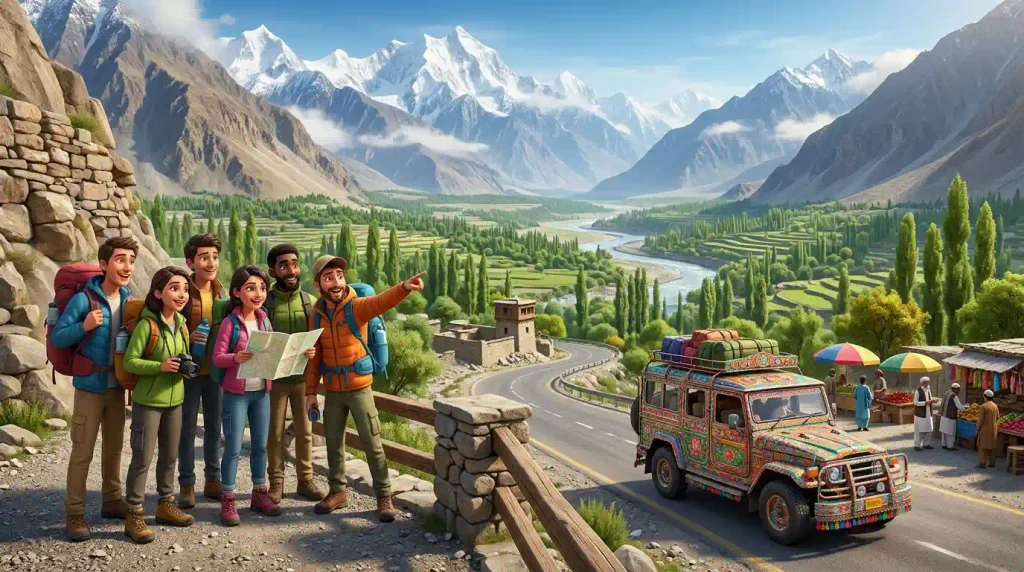
Planning a trip to Central and South Asia requires some practical preparation to make your journey comfortable and enjoyable. Following a few key travel guidelines ensures a memorable and smooth travel experience.
Choosing the Best Time to Visit
Because the climate varies wildly between southern deserts and northern mountain ranges, timing your visit carefully is essential. Spring and autumn bring pleasant weather across most regions of the country.
- Autumn (September to November) offers clear mountain views and comfortable temperatures for sightseeing in historic cities.
- Spring (March to May) features blooming fruit orchards in mountain valleys and warm, pleasant daytime weather.
- Summer (June to August) is ideal for high-altitude trekking in the north, though southern cities can get extremely hot.
Respecting Local Dress and Customs
Dressing modestly helps you blend in and shows respect for local traditions when visiting public markets or religious sites. The national dress, known as the Shalwar Kameez, is a comfortable, loose-fitting outfit worn by both individuals.
Wearing lightweight, breathable fabrics keeps you cool while staying culturally appropriate. Taking off your shoes before stepping into homes or historical places of worship is a standard sign of courtesy.
Trying Local Transport Options
Getting around offers an adventure of its own, with options ranging from high-speed motorways to colorful local auto-rickshaws. Riding inside an auto-rickshaw through busy urban bazaars gives you an up-close taste of daily city life!
For long-distance journeys between major cities, modern air-conditioned buses and train lines offer comfortable, scenic rides. Hiring an experienced local guide is always recommended for high-altitude mountain trekking.
Practice Exercise
Test your knowledge with this fun multiple-choice quiz about fun facts pakistan. Choose the best answer for each question.
Pakistan’s History and Identity
- When did Pakistan gain independence?
- A. August 14, 1947
- B. March 23, 1940
- C. August 15, 1947
- D. June 3, 1947
- What is the capital city of Pakistan?
- A. Lahore
- B. Karachi
- C. Islamabad
- D. Peshawar
- Which national language is widely associated with Pakistan?
- A. Punjabi
- B. Urdu
- C. Sindhi
- D. Pashto
Geography and Natural Wonders
- Which famous mountain is located in Pakistan?
- A. Mount Elbrus
- B. Mount Fuji
- C. K2
- D. Mount Kilimanjaro
- Which major river flows through Pakistan?
- A. Amazon River
- B. Indus River
- C. Nile River
- D. Yangtze River
- Which region is famous for the Hunza Valley?
- A. Gilgit-Baltistan
- B. Punjab
- C. Sindh
- D. Balochistan
Culture, Food, and Traditions
- Which dish is commonly enjoyed as a traditional Pakistani food?
- A. Sushi
- B. Biryani
- C. Tacos
- D. Pasta
- Which colorful traditional truck art style is famous in Pakistan?
- A. Pakistani truck art
- B. Alpine painting
- C. Nordic carving
- D. Venetian mural art
- Which city is especially famous for its historic Badshahi Mosque?
- A. Lahore
- B. Quetta
- C. Multan
- D. Rawalpindi
Quick Challenge
- Which sea borders Pakistan to the south?
- A. Red Sea
- B. Arabian Sea
- C. Mediterranean Sea
- D. Caspian Sea
Answer Key: 1. A | 2. C | 3. B | 4. C | 5. B | 6. A | 7. B | 8. A | 9. A | 10. B
FAQs
1. What language is widely spoken throughout Pakistan?
Urdu is the official national language and serves as a unifying tongue across all provinces. English is also widely used in government, higher education, and business, while regional languages like Punjabi, Pashto, Sindhi, and Balochi are spoken by millions daily.
2. What makes Pakistani truck art so famous worldwide?
Pakistani truck art is world-famous for its incredible craftsmanship, vibrant paint schemes, and intricate metalwork. Drivers transform plain commercial trucks into moving masterpieces decorated with colorful flowers, landscapes, poetry, and reflective tiles that tell personal stories on long highway journeys.
3. Is Pakistan home to ancient UNESCO World Heritage sites?
Yes, Pakistan boasts six official UNESCO World Heritage sites celebrating ancient history and architecture. These historic treasures include the ancient ruins of Mohenjo-daro, the Buddhist ruins at Takht-i-Bahi, the archaeological site of Taxila, and the magnificent Lahore Fort and Shalimar Gardens.
4. What is the national dish of Pakistan?
While food preferences vary by region, Nihari and Biryani are widely celebrated as national favorites. Nihari is a rich, slow-cooked meat stew infused with aromatic spices, while Biryani features spiced rice layered with seasoned meat, saffron, and fried onions.
5. Why is the Karakoram Highway called an engineering marvel?
The Karakoram Highway is considered an engineering marvel because workers carved it through thousands of miles of sheer granite mountains at extreme altitudes. Rising to nearly 4,700 meters at the Khunjerab Pass, it stands as the highest paved international road on Earth.
6. How old is the Khewra Salt Mine?
The Khewra Salt Mine dates back over 2,300 years to 320 BCE, when Alexander the Great’s army traveled through the region. Today, it operates as the second-largest salt mine in the world, producing famous pink Himalayan salt for global export.
7. What mountain ranges meet in northern Pakistan?
Northern Pakistan is home to the unique confluence where three of the world’s highest mountain systems converge: the Himalayas, the Karakoram, and the Hindu Kush. This dramatic alpine intersection contains hundreds of peaks rising above 7,000 meters.
Conclusion
Exploring these remarkable fun facts, Pakistan proves just how extraordinary this diverse nation truly is. From ancient grid-planned cities and world-record glaciers to hand-stitched soccer balls and colorful truck art, Pakistan is filled with wonders.
Understanding the deep history, cultural warmth, and natural beauty of the region helps us appreciate the world in a richer way. Remembering all the fascinating fun facts Pakistan enthusiasts treasure brings a fresh spark of curiosity to every travel conversation.
Which surprising discovery amazed you the most today? Share these fun facts Pakistan fans love with your friends, and start planning your next global learning journey today!

Zoey Carter is the creator and writer behind funsvibe.com, a friendly website where readers can discover interesting, entertaining, and useful content. She enjoys exploring different topics and turning fresh ideas into simple, engaging articles that are easy to understand. Zoey believes that good content should be informative while still feeling natural and enjoyable to read.
Through funsvibe.com, Zoey Carter focuses on sharing original, reader friendly content with a warm and conversational style. She enjoys researching new subjects, discovering helpful information, and presenting ideas in a clear way. Her goal is to make every visit enjoyable while giving readers something valuable to discover and remember.