
When creators look to design engaging educational content, using fun facts clipart provides a quick and visually appealing way to present interesting trivia. These creative graphics help transform complex ideas into simple visual illustrations that capture attention immediately on worksheets and social media feeds.
Incorporating fun facts clipart allows you to highlight key messages while making learning enjoyable for readers of all age groups. Using high-quality graphics alongside short trivia snippets increases reader curiosity and makes information far more memorable.
Many educators and content writers rely on fun facts clipart to break up long blocks of text and improve overall visual layout. These versatile vector images and digital drawings serve as effective visual anchors across diverse learning channels.
Ultimately, choosing the right fun facts clipart ensures your educational graphics remain visually balanced, modern, and publication-ready. Adding colorful artwork to surprising facts helps hold audience focus from start to finish.
Have you ever wondered why a bright picture paired with a quirky piece of trivia instantly catches your eye? Adding playful visual graphics to interesting trivia creates an engaging experience that holds attention effortlessly.
When you use fun facts clipart in your projects, you turn ordinary educational material into an exciting visual story. It brings curiosity to life while making information easy to digest for everyone.
Let us explore how fun facts clipart can revamp your educational worksheets, social media feeds, and everyday creative design projects.
What Is Fun Facts Clipart and Why Is It So Popular?
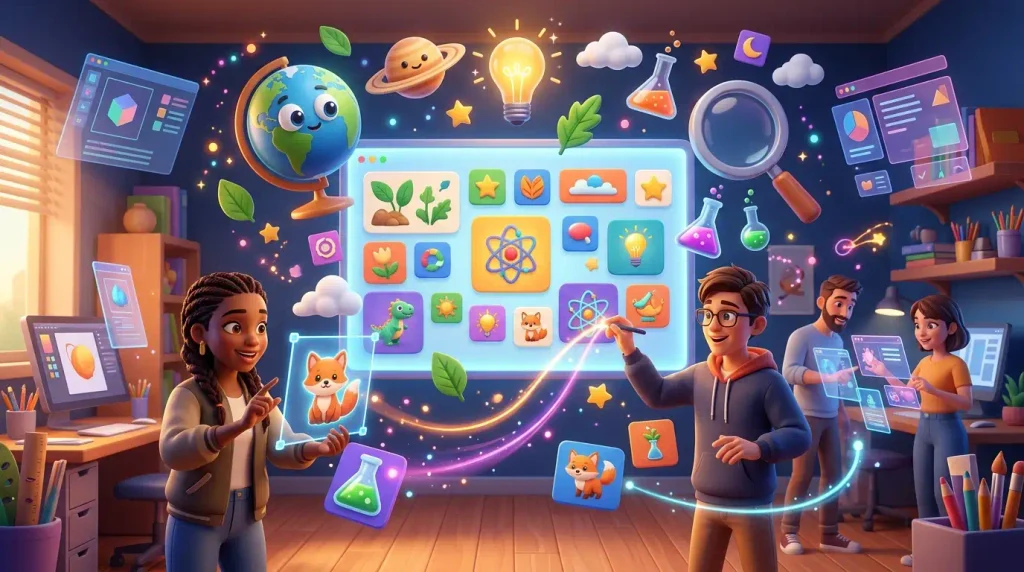
Fun facts clipart refers to pre-made digital illustrations, icons, and graphic symbols specifically designed to accompany trivia, quick tips, and interesting tidbits. These visuals range from colorful cartoon characters pointing at speech bubbles to themed symbols like magnifying glasses, lightbulbs, and quirky animals.
People naturally process visual information much faster than plain written text. When a surprising statement is paired with a matching graphic, the human brain forms a stronger memory connection. This powerful combination makes educational content stick instantly.
Today, creators use these graphics across digital media, classrooms, and printed publications. They bridge the gap between heavy reading material and quick, bite-sized entertainment.
The Evolution of Visual Learning Tools
Visual aids have come a long way from static textbook diagrams and basic black-and-white drawings. Years ago, teachers and publishers relied on simple paper cutouts to draw attention to important notes.
As digital design software evolved, simple illustrations transformed into vibrant, high-definition graphics. Modern vector art allows anyone to resize images without losing crisp details, making graphic design accessible to non-designers.
Now, digital graphic sets cater specifically to themed trivia and micro-learning. They help turn dense research papers into digestible social media infographics and fun classroom posters.
Why Brains Love Pictures Paired with Trivia
Our brains are hardwired to spot patterns and colorful shapes in our environment. When you read a text-heavy document, your brain works hard to decode the words and build mental images.
Adding a relevant graphic provides an instant context clue before you even read the sentence. This reduces cognitive load and keeps your mind fresh and curious.
Furthermore, humorous or cute graphics trigger positive emotional responses. When learning feels enjoyable and stress-free, readers are far more likely to retain information for the long haul.
Key Benefits of Using Fun Facts Clipart in Projects
Using graphical elements alongside interesting facts completely transforms how people interact with your content. It turns passive reading into an active, enjoyable visual experience.
Whether you design student worksheets or run a popular blog, adding creative artwork yields immediate visual rewards. It keeps your audience scrolling, reading, and sharing your work.
Here are the main advantages of incorporating illustrated trivia graphics into your daily content creations:
- Boosts Engagement: Vibrant graphics draw the reader’s eye directly to key information on a busy page.
- Improves Retention: Combining text with visual imagery strengthens recall and memory storage.
- Saves Design Time: Ready-made graphics let you build attractive layouts without starting from scratch.
- Simplifies Complex Ideas: Tricky science or history topics become friendly and approachable with cartoon helpers.
- Encourages Social Sharing: People love sharing eye-catching graphic posts with their friends and followers.
Increasing Information Retention in Students
Students often struggle to stay focused when faced with dense blocks of textbook text. Incorporating fun facts clipart breaks up long paragraphs and creates natural visual pause points.
When a student sees a quirky octopus illustration next to a fact about sea life, they associate the fact with the image. This dual-coding memory technique helps them recall information easily during quizzes and class discussions.
Teachers frequently report that decorated assignment sheets receive higher completion rates. Bright visuals make homework feel less like a chore and more like a creative game.
Enhancing Social Media and Blog Engagement
In the fast-paced digital world, you only have a fraction of a second to catch a scroller’s attention. Plain text updates rarely stand out in a crowded social media feed.
Posting an intriguing piece of trivia inside a vibrant graphic frame stops thumb-scrolling instantly. Viewers love saving and resharing bite-sized nuggets of knowledge that look appealing.
Bloggers also benefit from placing custom illustrated trivia blocks inside long-form articles. It keeps readers on the page longer, which boosts overall website performance and user metrics.
Popular Categories of Fun Facts Clipart
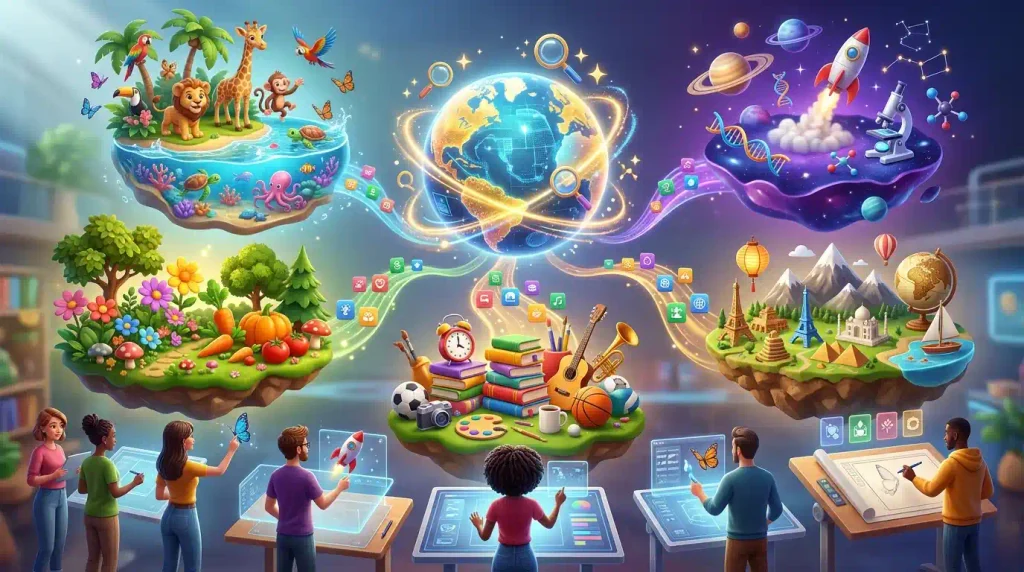
Not all graphics fit every single topic you might want to present. Grouping your artwork into distinct categories helps you choose the perfect visual style for your project.
Selecting the right theme ensures your graphic matches the tone of your message. It creates a cohesive look that feels professional and intentional.
Let us look at some of the most widely used categories for illustrated trivia content across different subjects.
Animal and Wildlife Graphics
Animal trivia is universally loved by both kids and adults. Clipart in this category often features friendly creatures with expressive faces holding signs or speech bubbles.
You might find a smiling giraffe highlighting a fact about its long neck, or an octopus wearing glasses to share ocean facts. These playful characters make biology lessons delightful.
Using cute wildlife illustrations helps soften topics that might otherwise seem dry. They add charm to environmental awareness flyers, zoo field trip guides, and biology worksheets.
Science and Space Illustrations
Science topics often deal with invisible forces, tiny atoms, or vast cosmic distances. Visual graphics bring these abstract concepts down to earth in an easy-to-understand way.
Common designs include glowing lightbulbs, bubbling test tubes, smiling planets, and zooming rockets. A cartoon atom can explain chemistry basics far better than a dry formula alone.
These illustrations encourage young learners to view science as an exciting adventure. They transform complex physics and astronomy facts into inviting, digestible visual snacks.
History and Geography Icons
History and geography come alive when you pair historic facts with themed icons and character sketches. Ancient monuments, historic hats, compasses, and old parchment scrolls are popular choices here.
A fun facts clipart set for geography might feature mini landmarks like the Eiffel Tower or the Pyramids pointing out local trivia. This brings world cultures into bright focus.
These visual markers act as helpful anchors on timelines and world maps. They assist readers in linking historical events to specific places and eras effortlessly.
How to Choose the Right Graphic Style for Your Audience
Selecting the ideal artwork requires matching the image style to your target audience. A design that works for kindergarteners might not fit a professional corporate newsletter.
Consider the age group, tone, and final platform before picking your visual graphics. Balance playfulness with clarity, so your message comes across cleanly.
Here is a quick comparison of popular graphic styles and where they shine best:
Matching Visuals to Age Groups
Young children respond best to bold lines, simple shapes, and vibrant primary colors. Large cartoon characters with big eyes immediately grab their attention and spark joy.
Older students and adults usually prefer modern flat designs or subtle hand-drawn doodles. Sleek vector graphics communicate information quickly without feeling overly childish.
Always ask yourself who will be reading your content before settling on a final artwork style. Keeping your audience in mind ensures your design decisions land successfully.
Balancing Color Palettes and Readability
Color choice plays a massive role in how easily people can read your graphic content. Using too many bright colors at once can overwhelm the eyes and confuse the reader.
Stick to a simple color palette of two or three main colors that complement each other. Ensure high contrast between your background graphics and any text overlay you use.
Dark text on a light background or white text on a dark banner works best for fast reading. Clear visibility ensures your amazing facts do not get lost in visual clutter.
Practical Steps to Create Custom Fun Facts Clipart
If you cannot find the exact graphic you need online, making your own design is surprisingly simple. Modern creative tools make graphic generation enjoyable even for absolute beginners.
You do not need an advanced art degree to construct appealing visual graphics. With a few simple layout techniques, you can draft clean visuals in minutes.
Follow these simple steps to build your own custom trivia graphics from scratch:
Step 1: Pick a Clear Fact and Central Theme
Start by picking a short, fascinating fact that stands out on its own. Keep the wording brief so it leaves plenty of room for your graphic elements.
Identify the core noun or action in your fact to decide on your visual theme. If your fact is about honeybees, your main graphic should obviously be a bee or honeycomb.
Having a focused theme prevents your canvas from becoming cluttered with unnecessary elements. Simple ideas always make the strongest visual impact.
Step 2: Select Your Design Platform
Choose a graphic design tool that matches your current skill level and comfort. Free web-based design platforms offer pre-made canvas templates that simplify layout setup.
If you enjoy digital drawing, you can use tablet apps to sketch custom vector shapes. Digital design software gives you complete control over colors, layers, and custom brush strokes.
Select a platform that allows you to export high-resolution images with transparent backgrounds. Transparent PNG files let you drop your graphics seamlessly into any document.
Step 3: Combine Text Bubbles and Icons
Arrange your central illustration alongside a clear text frame or speech bubble. Placing text inside a floating speech bubble creates the illusion that your character is speaking directly to the reader.
Use standard, easy-to-read fonts for the body of your fact. You can use a playful display font for the title or header to add visual excitement.
Leave plenty of empty breathing room around your text and clipart elements. Spacing out your design prevents it from feeling cramped or messy.
Step 4: Export in the Right File Format
Save your finished creation in the correct file format for your planned project. Choosing the wrong format can cause unwanted background borders or blurry images.
Use PNG format when you need a transparent background for layering graphics onto colored paper or web pages. Use JPEG format for digital photos and social media graphics where file size matters.
Keep a master editable vector file on hand whenever possible. This lets you go back and update text or tweak colors without starting from scratch.
Top Best Practices for Placing Clipart in Documents
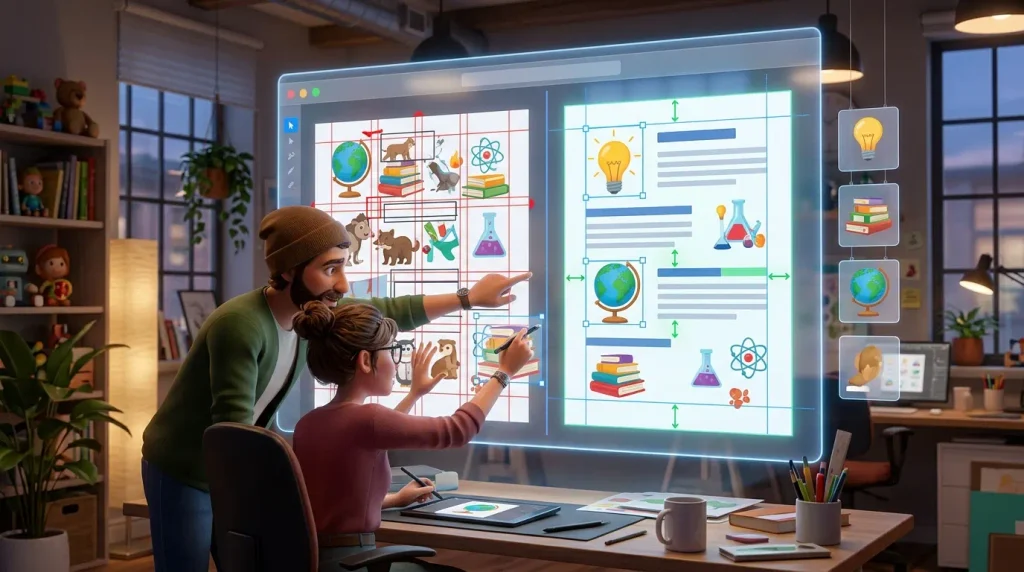
Knowing where to position graphics on a page is just as important as selecting the right art style. Poorly placed images can disrupt reading flow and confuse your audience.
Thoughtful placement guides the reader’s eyes naturally from top to bottom. It creates a harmonious layout that feels balanced and easy to navigate.
Let us review key rules for arranging graphics cleanly inside your articles, worksheets, and presentations.
Maintaining Visual Balance and Whitespace
Whitespace refers to the empty, unmarked space around text blocks and graphic elements. Leaving generous whitespace gives your content breathing room and prevents visual fatigue.
Avoid crowding every single corner of your page with graphics. Place one primary illustration per major section to serve as a visual anchor.
If you place a graphic on the right side of your layout, balance it with text on the left. Symmetry and steady rhythm make documents look polished and easy to read.
Using Speech Bubbles and Callout Frames
Speech bubbles and callout frames are ideal for highlighting bite-sized trivia. They immediately signal to the reader that the enclosed text is a special bonus note.
Position your character clipart so it points or looks directly toward the speech bubble. This subtle directional cue naturally draws the reader’s eye right into the text.
Keep the text inside callout boxes short and punchy. Aim for one or two quick sentences so the visual frame remains light and uncluttered.
Avoiding Layout Clutter and Overuse
It can be tempting to add dozens of cute icons once you build a large clipart library. However, too many visuals turn your page into a chaotic maze.
Every image on your page should serve a distinct purpose, such as explaining a concept or highlighting a fact. If a graphic does not add value, it is better to remove it.
Limit yourself to two or three consistent graphic elements per page. Consistency creates a clean visual identity that readers appreciate.
Where to Find High-Quality Fun Facts Clipart
Finding safe, high-quality artwork for your projects is easy if you know where to search online. Numerous digital libraries offer free and premium graphic downloads.
Always check the licensing rights before downloading and publishing graphics in your work. Understanding usage rules protects you from copyright issues down the road.
Here are the primary sources for sourcing top-notch illustrations and vector sets:
Free Stock Graphic Repositories
Many websites host massive collections of public domain and Creative Commons graphics. These platforms let you download vector icons, illustrations, and background borders for free.
Search using specific keywords like “cartoon lightbulb,” “trivia frame,” or “animal speech bubble.” Specific queries yield better visual matches than broad search terms.
While free sites are wonderful, double-check if the artist requires attribution. Giving proper credit to creators is a great habit for every content publisher.
Premium Design Libraries and Subscriptions
If you need exclusive artwork or cohesive graphic sets, premium design platforms are worth exploring. They offer professionally crafted vector collections created by expert designers.
Subscription services provide unlimited access to millions of matching icons, fonts, and illustrations. Using matching artwork sets gives your entire project a uniform, high-end feel.
Paid libraries usually include royalty-free commercial licenses. This gives you complete peace of mind when publishing digital products, books, or monetized blogs.
Custom Commissioning from Independent Artists
For truly unique projects, consider hiring an independent freelance illustrator to draft custom designs. This option gives you one-of-a-kind artwork tailored specifically to your brand.
You can direct the artist to create a unique mascot that appears across all your educational materials. A custom mascot builds strong brand recognition over time.
While commissioning art costs more than downloading stock images, the unique identity it provides your brand is priceless.
Practice Exercise
Understanding Fun Facts Clipart
1. Why do people add clipart to fun facts?
A. Engaging pictures can make information more attractive
B. Visuals can replace complete educational resources
C. Images can make simple facts confusing
D. Articles can avoid using any graphics
2. Which feature can make fun facts clipart more appealing?
A. Complicated paragraphs
B. Bright and creative illustrations
C. Unrelated advertisements
D. Excessive technical details
3. Where can fun facts clipart be useful?
A. Only in printed newspapers
B. Only in school textbooks
C. Articles, presentations, worksheets, and social media
D. Only on business websites
Creating Effective Visuals
4. What is the benefit of matching an image with its related fact?
A. It adds extra length to the page
B. Readers can understand the topic more easily
C. Accuracy becomes less important
D. Every design follows the same pattern
5. What should designers consider when selecting fun facts clipart?
A. Relevance, clarity, and visual appeal
B. File names only
C. The number of paragraphs nearby
D. Unrelated decorative elements
6. What role do illustrations play in presenting facts?
A. Hiding the main message
B. Adding unrelated details
C. Creating confusion among readers
D. Making information more memorable
Using Clipart Creatively
7. Which approach can help make a collection of fun facts more engaging?
A. Using the same image for every topic
B. Choosing visuals that match different subjects
C. Removing all illustrations
D. Adding unrelated images
8. What is an important consideration when using clipart online?
A. Ignoring image licensing
B. Using every image without checking its source
C. Checking usage rights and licensing requirements
D. Avoiding all visual content
9. What benefit does a consistent design offer for fun facts?
A. Readers can recognize a clear visual style
B. Facts become more difficult to understand
C. Interesting content is no longer necessary
D. Accuracy is guaranteed without research
10. How can clipart support educational fun facts?
A. Lengthy explanations replace visual content
B. Fictional details make lessons more useful
C. Memorable illustrations help readers understand information
D. Research becomes unnecessary when images are used
Answer Key: 1. A | 2. B | 3. C | 4. B | 5. A | 6. D | 7. B | 8. C | 9. A | 10. C
FAQs
1. What is fun facts clipart?
Fun facts clipart consists of digital illustrations, icons, and frames designed to accompany trivia notes and educational tips. These visual graphics highlight key facts, making reading materials more engaging, attractive, and memorable for audiences across worksheets, blogs, and social media posts.
2. How does graphic illustration improve learning retention?
Illustrations improve learning retention through dual-coding theory, where the brain processes both visual imagery and written text simultaneously. This dual mental connection helps learners form stronger memory pathways, making it much easier to recall facts and complex concepts during tests or discussions later on.
3. Can I use clipart for commercial educational products?
Yes, you can use clipart for commercial products if you obtain the appropriate commercial license. Always review the license terms from your graphic supplier to confirm whether commercial use, digital reselling, or educational distribution is permitted without extra royalties.
4. What digital tools are best for editing clipart graphics?
Popular graphic tools range from simple online design platforms for beginners to professional vector editing software for advanced creators. Look for software that allows layer manipulation, color adjustments, and exporting high-resolution PNG or SVG files with transparent backgrounds.
5. How do I stop my graphics layout from looking cluttered?
Prevent clutter by maintaining generous whitespace around text and limiting yourself to two or three graphics per page. Use speech bubbles or clean callout boxes to contain facts neatly, and align your illustrations naturally alongside your written paragraphs.
6. Where can I find free graphic clipart for classroom use?
You can find free classroom clipart on dedicated teacher resource websites, public domain image archives, and Creative Commons repositories. Always confirm whether the artist requires a simple link attribution before printing or distributing worksheets containing their illustrations.
Conclusion
Incorporating creative fun facts clipart into your projects is a simple yet effective way to elevate your overall content strategy. By pairing surprising trivia with engaging illustrations, you transform ordinary reading materials into visually exciting learning experiences that hold attention naturally.
Choosing high-quality fun facts clipart ensures that your lesson plans, articles, and graphics remain professional and easy to navigate. Matching your chosen art style to your target audience helps convey complex ideas in a friendly and accessible manner.
Now that you know how to select, arrange, and build custom graphics, it is time to enhance your creative workflow. Start incorporating fun facts clipart today and watch your reader engagement reach new heights!

Zoey Carter is the creator and writer behind funsvibe.com, a friendly website where readers can discover interesting, entertaining, and useful content. She enjoys exploring different topics and turning fresh ideas into simple, engaging articles that are easy to understand. Zoey believes that good content should be informative while still feeling natural and enjoyable to read.
Through funsvibe.com, Zoey Carter focuses on sharing original, reader friendly content with a warm and conversational style. She enjoys researching new subjects, discovering helpful information, and presenting ideas in a clear way. Her goal is to make every visit enjoyable while giving readers something valuable to discover and remember.