

Carrots are fascinating root vegetables packed with rich history and incredible science. From their original purple and yellow colors to their role in WWII radar myths, these crunchy orange roots offer surprising stories, nutritional powerhouses, and delightful culinary secrets that make healthy eating truly exciting.
Think you know everything about the humble crunchy orange root sitting in your fridge? Discovering these fun facts carrots have hidden behind their bright taproots will completely change how you view your favorite veggie snack!
Whether you eat them raw, dip them in hummus, or roast them to sweet perfection, carrots hold centuries of fascinating history. These fun facts carrots reveal that produce can be just as entertaining as it is delicious.
Let’s explore the unbelievable origin stories, vibrant, colorful history, and incredible health secrets of one of the world’s most beloved vegetables.
These fun facts carrots bring to light that even everyday kitchen staples carry incredible tales waiting to be discovered!
The Shocking Origin and History of Carrots
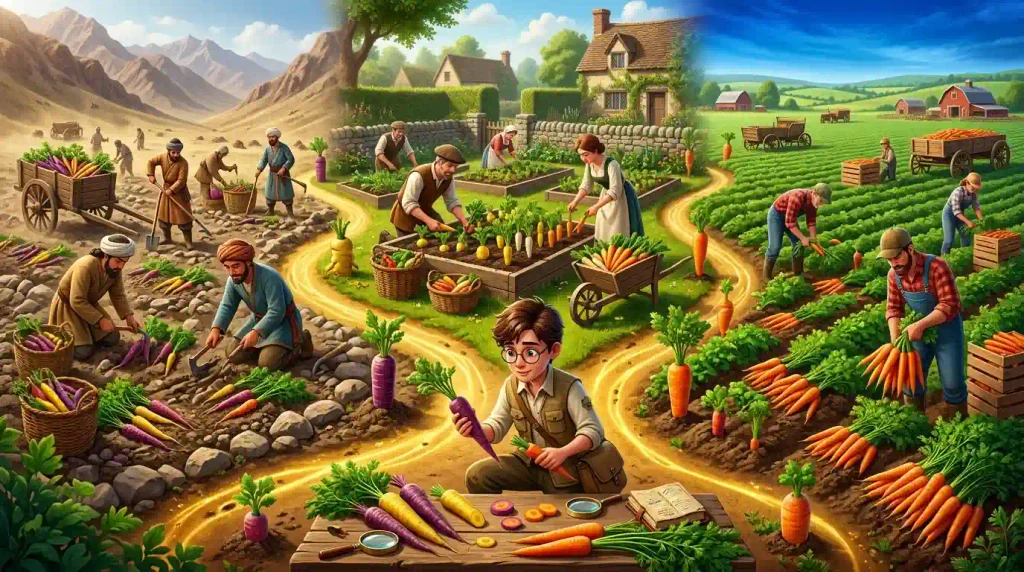
Most people assume carrots have always been bright orange and grown in neatly plowed garden beds. However, the true history of this legendary root vegetable tells a completely different and colorful story.
They Were Not Originally Orange
For thousands of years, nobody had ever seen an orange carrot. The earliest cultivated carrots grew in Central Asia around the 10th century, and they were naturally purple and yellow.
These ancient purple roots contained deep anthocyanin pigments, giving them a dark, almost black appearance. Meanwhile, yellow carrots offered a milder, sweeter flavor profile that early farmers loved to cultivate.
It was not until the late 16th century that Dutch growers began selectively breeding yellow and red varieties. Through years of careful cultivation, they produced the sweet, vibrant orange roots we all recognize today.
Carrots Were First Grown for Their Leaves and Seeds
Ancient farmers did not even eat the underground root when they first cultivated this plant. Instead, they harvested the leafy green tops and aromatic seeds for medicinal remedies and fragrant herbs.
The leafy green top of the carrot plant belongs to the Apiaceae family, making it a close cousin to parsley, dill, fennel, and coriander. People valued these leafy tops for their strong scents and soothing digestive qualities long before tasting the crunchy root below.
Eventually, brave agriculturalists realized that selective breeding could transform the tough, bitter taproot into a sweet, woody delicacy. That single discovery changed human diets across the globe forever.
The Famous Dutch Royal Tribute Legend
Legend has it that Dutch gardeners specifically popularized orange carrots to honor William of Orange, the leader of the Dutch revolt. While political tribute made for a great story, agricultural efficiency played an even bigger role.
Orange carrots were simply sweeter, tenderer, and far less bitter than their purple counterparts. They also held their bright color beautifully during cooking, unlike purple roots that bled dark dye into soups and stews.
Regardless of whether politics or flavor drove the trend, Dutch farmers successfully shifted global agriculture. Thanks to their dedicated work, orange rapidly became the world standard for crunchy vegetables.
Colorful Varieties You Never Knew Existed
When you stroll through a standard grocery store, you usually see long, uniform orange sticks. But if you step into a heritage farmers market, you will discover a colorful rainbow of root vegetables.
Deep Purple Carrots
Purple roots are making a massive comeback in modern gourmet cooking and home gardens. These striking veggies feature a dark purple outer layer wrapping around a brilliant orange or yellow core.
They owe their rich shade to anthocyanins, the very same powerful antioxidants found in blueberries and blackberries. Cooking purple carrots can turn your cooking water bright violet, making mealtime a fun visual experiment for kids.
Sunshine Yellow Carrots
Yellow varieties bring a delightful natural sweetness and a crisp texture to salad bowls. They contain high levels of lutein, a plant pigment that works wonders for maintaining healthy eyesight.
These sunny roots tend to be milder and less earthy than traditional orange varieties. Adding chopped yellow roots to a fresh garden salad adds instant crunch and visual brightness without overpowering other flavors.
Bright Red Carrots
Red varieties get their deep crimson hue from lycopene, the same pigment responsible for giving tomatoes and red peppers their rich color. Lycopene is a potent antioxidant linked to heart health and cell protection.
Originating largely in India and China, red carrots offer a slightly spicy or earthy undertone when eaten raw. When cooked, their natural sugars caramelize, creating a savory-sweet side dish perfect for winter dinners.
Pure White Carrots
White roots completely lack pigment molecules, but they are far from boring or flavorless. These heritage roots offer a delicate, smooth, and sweet taste that pairs wonderfully with roasted spices.
Because they contain no natural dyes, white roots will not discolor cream soups, broths, or mashed vegetable dishes. They represent one of the purest ancestral forms of the vegetable available today.
Mind-Blowing Science and Health Facts
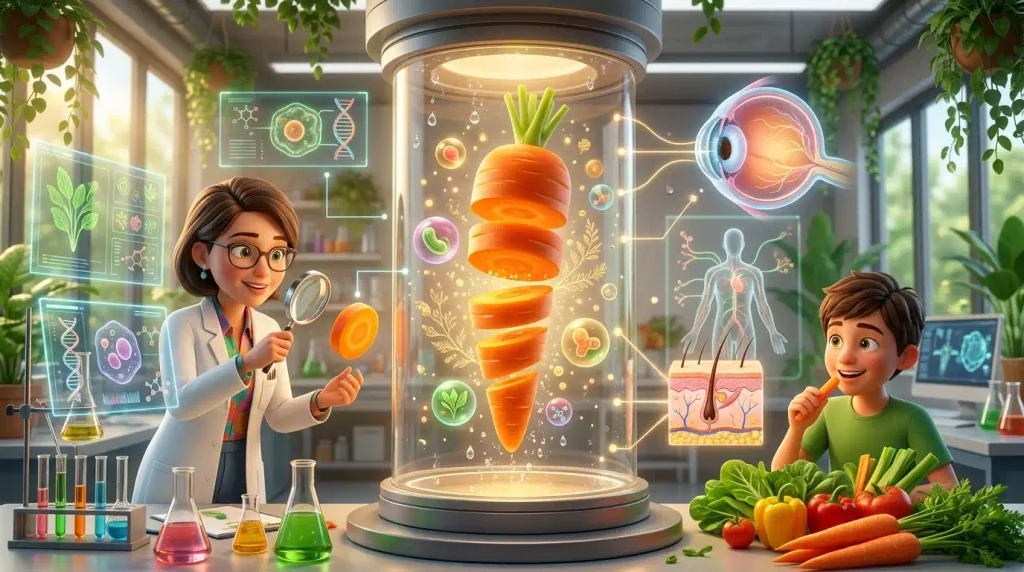
Carrots are absolute powerhouses when it comes to human nutrition and biological science. Beyond basic vitamins, these roots carry amazing biological features that protect your body from head to toe.
The Myth and Truth About Night Vision
During World War II, the British Royal Air Force developed a secret new radar technology to detect incoming enemy aircraft at night. To keep this groundbreaking invention secret, the military launched a clever propaganda campaign.
They published news stories claiming their pilots ate massive amounts of orange roots to gain superhuman night vision. While the public believed the cover story, the military successfully kept their radar technology hidden from competitors.
While carrots cannot give you radar-like superhero vision, they do contain beta-carotene, which your body converts into Vitamin A. Vitamin A helps your eyes process light better in low-light environments, keeping your vision clear and healthy.
Can Carrots Really Turn Your Skin Orange?
If you eat too many orange roots over a short period, your skin can actually develop a yellowish-orange tint. This totally harmless medical condition is known as carotenemia.
It happens when excess beta-carotene accumulates in your bloodstream and deposits into the outer layer of your skin. You will usually notice the colorful shift first on your palms, soles of your feet, and elbows.
Fortunately, carotenemia is entirely safe, painless, and fully reversible. Simply reducing your daily intake of beta-carotene-rich foods will allow your natural skin tone to return within a few weeks.
Why Cooking Carrots Makes Them Healthier
Unlike many tender vegetables that lose nutrients when heated, carrots actually become more nutritious when cooked gently. Raw cell walls are made of tough cellulose that traps valuable carotenoid molecules inside.
Cooking softens these tough plant fibers, freeing up beta-carotene so your body can absorb it far more efficiently. In fact, your body absorbs up to three times more beta-carotene from cooked roots than from raw ones.
For the ultimate nutrient boost, roast or sauté your roots with a small splash of healthy fat like olive oil or butter. Beta-carotene is fat-soluble, meaning healthy fats help your digestive system absorb every bit of goodness.
Fun World Records and Gardening Surprises
The world of gardening and competitive vegetable growing holds some jaw-dropping achievements when it comes to underground taproots.
The Heaviest Carrot Ever Grown
Competitive gardeners spend months nurturing individual plants to achieve astounding weight records. According to Guinness World Records, the heaviest carrot ever grown weighed an astounding 22.44 pounds (10.17 kilograms).
Grown by Christopher Qualley in Minnesota, USA, in 2017, this massive root looked more like a heavy boulder than a kitchen vegetable. It required meticulous soil conditions, precise watering schedules, and ideal weather conditions to reach its massive size.
The Longest Carrot Ever Measured
While some growers focus on pure weight, others aim for extreme length in deep growing tubes. The longest carrot ever measured stretched an incredible 20 feet 5.9 inches (6.24 meters) long!
Grown by Joe Atherton in the United Kingdom in 2016, this record-breaking plant required a customized tall structure just to support its extremely long root system. Harvesting such a delicate, thin taproot without snapping it required master-level care.
The Great Baby Carrot Deception
Many people assume baby carrots are simply young, tender roots pulled early from garden beds. In reality, the bite-sized baby carrots you purchase in bags are fully mature large carrots cut down to size.
In the mid-1980s, a California farmer named Mike Yurosek grew frustrated throwing away twisted or broken roots that grocery stores rejected. He decided to peel and cut those misshapen veggies into two-inch uniform pegs.
This simple invention revolutionized the produce industry by eliminating food waste and creating one of the most popular snack foods in history. Today, specialized carrot varieties are grown specifically to be cut into tender, sweet mini snacks.
Surprising Kitchen and Cooking Secrets
Unlocking the full potential of this root vegetable in your home kitchen requires just a few simple tips and culinary tricks.
Why You Should Keep the Leaves
Never throw away those bushy green carrot tops when you buy fresh bunches at the market! The leafy greens are completely edible, highly nutritious, and packed with a bright herbaceous flavor.
You can blend green carrot tops with garlic, parmesan cheese, pine nuts, and olive oil to make an incredible homemade pesto. You can also chop them finely and sprinkle them over soups or roasts just like fresh parsley.
The Secret to Maximum Sweetness
Carrots store their natural energy in the form of starches and complex sugars within their inner core cells. When you roast them slowly at medium heat, those starches break down into rich, simple sugars.
This natural process caramelizes the exterior, giving roasted roots a candy-like sweetness without adding refined sugar. Pairing them with warm spices like cinnamon, cumin, or smoked paprika highlights their natural sugar profile perfectly.
Smart Storage Tricks to Avoid Limp Veggies
Have you ever pulled a limp, rubbery carrot out of your refrigerator crisper drawer? That bendable texture happens when the root loses its internal water content through evaporation.
To keep your veggies super crisp for weeks, store them completely submerged in a container filled with cool, clean water in your fridge. Change the water every few days, and your roots will stay as snappy and fresh as the day you brought them home.
If your veggies have already gone soft, soaking them in an ice water bath for two hours will rehydrate their cell structure, making them firm and crunchy once again.
Surprising Ways Animals and Nature Use Carrots
Humans are not the only creatures on the planet that benefit from these nutritious underground powerhouses.
Do Rabbits Really Love Carrots?
Popular cartoons have convinced generations of viewers that wild rabbits spend their entire lives happily munching on orange roots. However, in the real world, wild rabbits rarely dig up root vegetables on their own.
In nature, rabbits prefer soft green leaves, wild grasses, and tender plant stems. The high sugar content in root vegetables can actually give pet rabbits severe stomach upset if eaten in large amounts.
While a small piece of crunchy root makes a great occasional treat for domestic bunnies, leafy green tops are far better for their daily digestive health.
Wild Relatives in Your Backyard
If you have ever walked through a sunny meadow or along a rural road, you have likely seen Queen Anne’s Lace. This common wild white wildflower is actually the direct ancestor of modern garden carrots.
If you gently dig up a wild Queen Anne’s Lace plant, you will find a thin white root that smells exactly like a fresh carrot. However, foraging wild plants requires extreme caution, as poisonous hemlock looks nearly identical to Queen Anne’s Lace.
Natural Livestock Treats
Farmers frequently feed surplus or oversized roots to horses, cows, and pigs as a nutritious feed supplement. Horses in particular adore the natural crunch and sweetness of fresh roots as a reward during training sessions.
The natural pigments in these roots can even subtly enhance the golden hue of egg yolks when fed to free-range chickens. Nature always finds clever ways to pass beneficial nutrients through the food chain!
Global Culture and Unbelievable Trivia

These amazing roots have shaped culture, music, folklore, and global festivals in ways you might never imagine.
The Famous Night of the Radishes and Carrots
In Oaxaca, Mexico, locals celebrate an incredible holiday every December 23rd called Noche de Rábanos (Night of the Radishes). Local artisans spend days carving intricate nativity scenes, mythical creatures, and historic sculptures out of large radishes and wooden carrots.
Thousands of tourists line up in the main city square to view these delicate, temporary works of natural art. Winners receive cash prizes and ultimate bragging rights for creating the year’s best root vegetable masterpiece.
Flutes Made from Fresh Carrots
Instrument builders and avant-garde musicians have discovered that firm orange roots make surprisingly clear wind instruments! By drilling sound holes into a thick root, musicians can craft fully functional flutes, recorders, and kazoo bodies.
The famous Vienna Vegetable Orchestra performs live classical and modern concerts using instruments crafted entirely out of fresh vegetables. After every performance, the orchestra boils their musical instruments into a delicious, rich vegetable soup for the audience to enjoy!
The World Capital of Carrots
The small town of Ohakune in New Zealand proudly claims the official title of “Carrot Capital of the World.” Located near fertile volcanic soil ideal for root agriculture, the region produces a massive portion of the country’s annual yield.
To celebrate their agricultural fame, the town erected a giant 24-foot-tall carrot statue at the city entrance. It remains one of the most photographed road trip attractions in all of New Zealand!
Practice Exercise
Test your newfound knowledge with these fun multiple-choice questions!
- What colors were the earliest cultivated carrots in Central Asia?
A. Bright red and orange
B. Dark purple and yellow
C. Pure white and green
D. Blue and light pink - Which country is credited with developing sweet orange carrots in the 16th century?
A. United Kingdom
B. Netherlands
C. United States
D. New Zealand - Which vegetable plant family do carrots belong to?
A. Solanaceae (Nightshade)
B. Apiaceae (Parsley)
C. Brassicaceae (Mustard)
D. Cucurbitaceae (Gourd) - What WWII story popularized the idea that carrots give you superhuman night vision?
A. A British military cover story for radar technology
B. A medical discovery by German doctors
C. An American cartoon sponsorship deal
D. A commercial campaign by Dutch farmers - What harmless condition can cause human skin to turn slightly orange from eating too many carrots?
A. Anthocyanin Syndrome
B. Carotenemia
C. Lycopene Rash
D. Beta-Carotenosis - Why does cooking carrots make them even healthier than raw ones?
A. Heat creates brand new vitamins from scratch
B. Cooking destroys all the natural sugars
C. Softened plant walls release up to three times more absorbable beta-carotene
D. Boiling adds extra minerals from the tap water - Who invented modern baby carrots in the 1980s to reduce agricultural waste?
A. Christopher Qualley
B. Joe Atherton
C. William of Orange
D. Mike Yurosek - What is the best way to keep whole raw carrots fresh and snappy in the fridge for weeks?
A. Leave them uncovered on an open shelf
B. Wrap them tightly in dry paper towels
C. Submerge them fully in a container of cool water
D. Store them next to ripe apples and bananas - What wild ancestor flower is directly related to modern garden carrots?
A. Queen Anne’s Lace
B. Wild Dandelion
C. White Buttercup
D. Sweet Meadow Parsnip - Which New Zealand town features a famous 24-foot-tall carrot monument?
A. Auckland
B. Christchurch
C. Ohakune
D. Wellington
Answer Key
- B | 2. B | 3. B | 4. A | 5. B | 6. C | 7. D | 8. C | 9. A | 10. C
FAQs
1. Are carrot greens safe to eat?
Yes, carrot greens are completely safe and highly nutritious to eat. They offer a bright, grassy parsley flavor that works wonderfully when blended into pestos, chopped into green salads, or simmered into savory stocks and broths.
2. Do carrots lose their nutrients when boiled?
Boiling carrots can cause a small amount of water-soluble vitamins like Vitamin C to leach into the water. However, gentle steaming or roasting actually increases the availability of fat-soluble beta-carotene, making the root overall more nutritious.
3. Why do some carrots taste bitter instead of sweet?
Carrots usually taste bitter when exposed to high heat during growing or when stored near ethylene-producing fruits like apples. High growing temperatures cause the plant to produce terpenoids, protective chemical compounds that taste harsh and medicinal.
4. Can eating carrots really improve my eyesight?
Yes, eating carrots helps maintain overall eye health because your body converts their beta-carotene into Vitamin A. Vitamin A is essential for healthy retinal function and preventing night blindness, though it will not correct structural vision issues.
5. How should I revive limp carrots?
You can easily revive limp carrots by trimming their tips and submerging them in a bowl of ice water for two hours. The dehydrated plant cells will absorb the moisture through osmosis, restoring their original firm and crunchy texture.
6. What makes purple carrots purple?
Purple carrots owe their dark, rich color to powerful natural plant pigments called anthocyanins. These are the exact same antioxidant compounds found in dark berries, offering great anti-inflammatory and cellular health benefits.
Conclusion
Uncovering these fun facts carrots shows just how amazing nature really is! From ancient purple medicine plants to WWII radar cover stories and record-breaking giant vegetables, this simple crunchy root carries an extraordinary story in every single bite.
Exploring these fun facts carrots completely transforms how we view simple everyday produce in our kitchens. Knowing the colorful history and surprising botanical science behind root vegetables makes enjoying healthy meals far more delightful.
Next time you stock up on fresh produce, try grabbing a rainbow batch of purple, yellow, and red heirloom roots. These fun facts carrots are perfect for sharing around the dinner table, so try asking your friends which root vegetable trivia surprised them the most today!

Zoey Carter is the creator and writer behind funsvibe.com, a friendly website where readers can discover interesting, entertaining, and useful content. She enjoys exploring different topics and turning fresh ideas into simple, engaging articles that are easy to understand. Zoey believes that good content should be informative while still feeling natural and enjoyable to read.
Through funsvibe.com, Zoey Carter focuses on sharing original, reader friendly content with a warm and conversational style. She enjoys researching new subjects, discovering helpful information, and presenting ideas in a clear way. Her goal is to make every visit enjoyable while giving readers something valuable to discover and remember.