
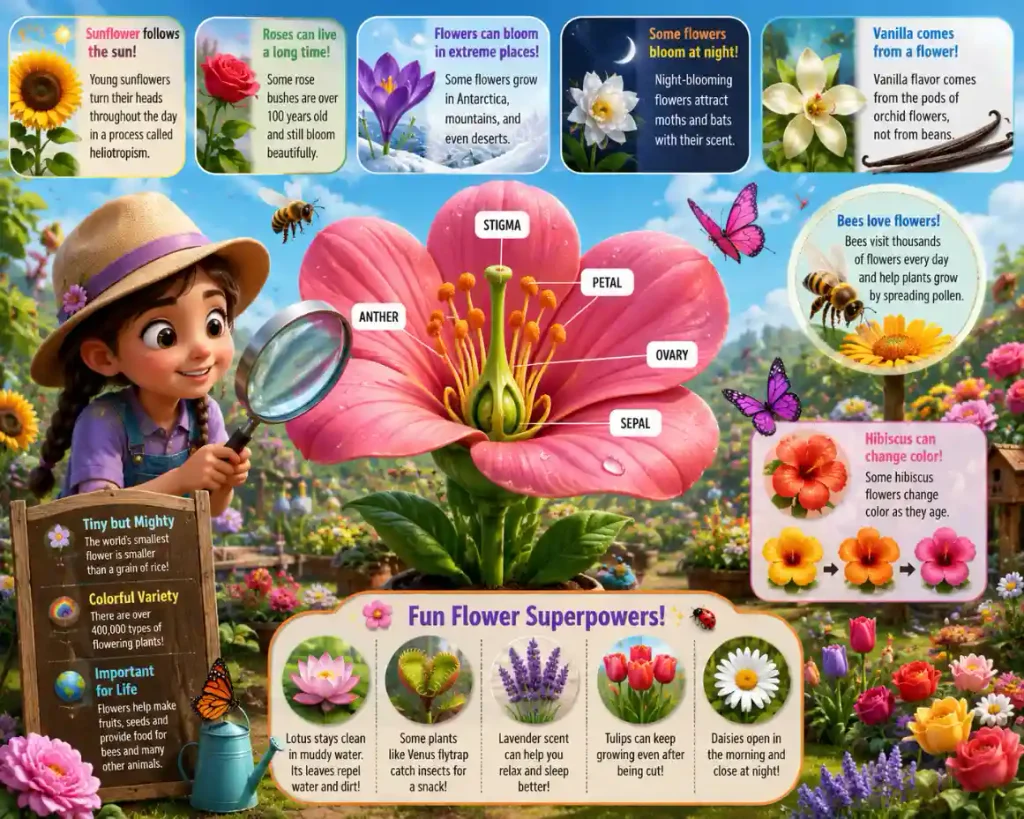
Exploring fun flower facts helps us appreciate the amazing complexity hidden inside nature’s simplest creations. From microscopic water plants to giant tropical blooms, every species has developed remarkable ways to communicate, defend itself, and survive across diverse environments.
Learning these fun flower facts shows how blossoms communicate through scent, change colors to attract pollinators, and even generate heat. From the world’s largest blooming giant to blossoms that open only at night, these adaptations reveal how plants survive.
Discovering fun flower facts gives us a fresh perspective on how intelligent, adaptable, and surprising everyday garden plants truly are. Taking a closer look at backyard blooms reveals a hidden world full of fascinating plant behaviors and strange history.
Understanding these fun flower facts encourages us to protect natural habitats and support local wildlife. By planting native varieties in home gardens, we ensure these vibrant, living wonders continue to thrive and bring beauty to our world.
Understanding how blossoms interact reveals a complex network of survival strategies. Every bright petal and sweet fragrance serves a specific purpose in nature.
How Blossoms Use Scent to Talk
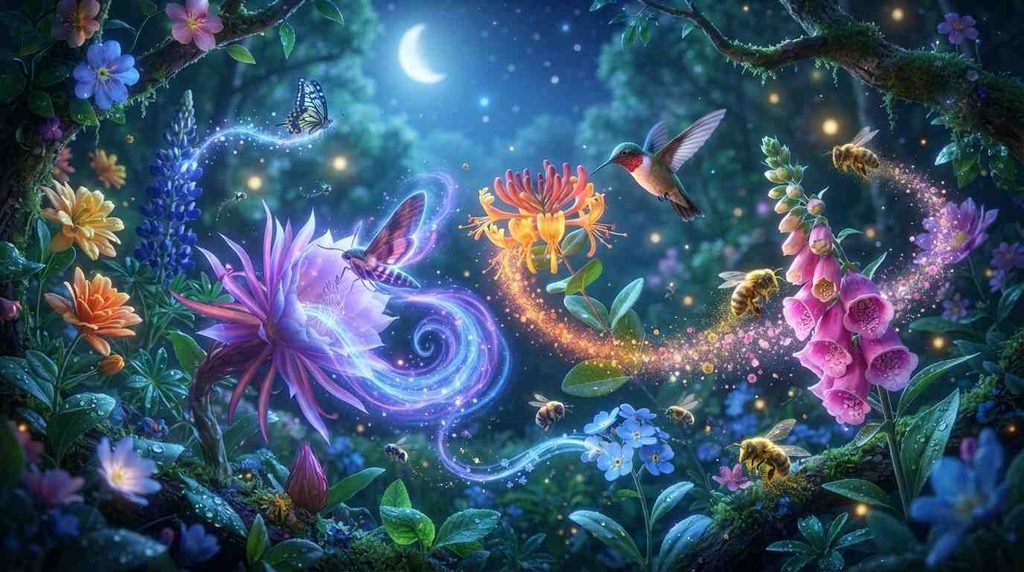
Fragrance is one of the primary tools plants use to attract helpful pollinators. A blossom releases chemical compounds into the air, creating a scent trail that bees and butterflies can follow from far away.
Interestingly, plants can adjust their scent production based on the time of day. Night-blooming varieties release strong perfume when nocturnal moths are most active, saving energy during daylight hours.
- Sweet scents attract bees, butterflies, and hoverflies.
- Fruity aromas often appeal to fruit bats and beetles.
- Musky or spicy odors attract specific species of moths and wasps.
Color Signals and Insect Sight
Plants showcase bright colors to stand out against green leaves, functioning like glowing signs for passing insects. However, insects see colors very differently than humans do.
Many blossoms feature ultraviolet patterns on their petals that are completely invisible to human eyes. These hidden markings act as landing strips, guiding pollinators directly toward the pollen and nectar inside.
Chemical Warnings and Plant Defense
When a plant comes under attack from pests, it does not suffer in silence. Many species release stress chemicals into the air to warn neighboring plants of danger.
Upon receiving these chemical warnings, nearby plants quickly boost their defensive toxins to deter harmful insects. Some blossoms even release scents that attract predatory insects to eat the bugs damaging them.
Plants have adapted in wild ways to survive tough environments. From capturing insects for extra food to enduring harsh freezing temperatures, these adaptations ensure their survival across the globe.
Carnivorous Blossoms That Hunt
In nutrient-poor soils like bogs and swamps, some plants turned into active hunters. The Venus flytrap and pitcher plants developed specialized structures to trap insects and digest them for vital nutrients.
These carnivorous species use sweet nectar to lure unsuspecting bugs into their traps. Once an insect lands, trigger hairs snap the trap shut within a fraction of a second.
Desert Blooms That Survive Extreme Drought
Desert plants face brutal heat and months without rain. To survive, species like the saguaro cactus produce blossoms that open quickly after brief rainfall to secure pollination.
- Petals are often thick and waxy to prevent water loss.
- Roots stay shallow to absorb every drop of rare rainfall.
- Seeds can sit dormant in dry soil for years waiting for rain.
Plants That Generate Their Own Heat
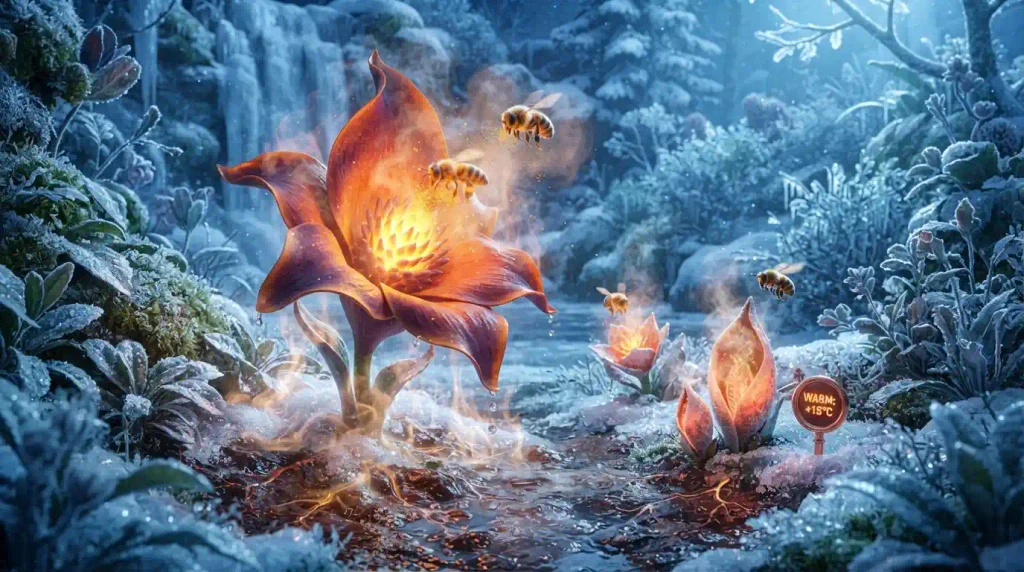
A few rare species can generate their own physical heat through a process called thermogenesis. The skunk cabbage, for example, can melt its way through frozen snow in early spring.
This internal heat serves two main purposes. It helps spread the plant’s scent farther through cold air and offers a warm shelter for early-emerging insects.
The sheer variety in plant size across our planet is staggering. Some blossoms are smaller than a grain of rice, while others grow larger than an umbrella.
The Rafflesia arnoldii holds the title for producing the largest individual blossom on Earth. Found in the rainforests of Southeast Asia, this massive bloom can grow over three feet wide and weigh up to twenty pounds.
Surprisingly, this giant plant has no true leaves, roots, or stems. It lives as a parasite inside tropical vines until it bursts open into a huge, red-and-spotted bloom.
On the opposite end of the spectrum sits Watermeal, the smallest flowering plant on the planet. These tiny aquatic plants float on quiet ponds and look like bright green specks of sand.
A full cluster of Watermeal plants can easily fit on the tip of your finger. Despite their tiny size, they reproduce rapidly and offer rich nutrition to waterfowl.
Human history is deeply intertwined with plant life. Throughout history, people have used blossoms for medicine, national symbols, and even financial investments.
The Great Tulip Mania Craze
During the seventeenth century in the Netherlands, tulip bulbs became so valuable that they triggered a massive economic bubble known as Tulip Mania. Single bulbs sold for more than the price of a luxury home.
At the peak of the craze, people traded property, livestock, and life savings for rare tulip varieties with feathered color patterns. The market eventually crashed, leaving many investors with nothing but regular flower bulbs.
The Secret Language of Victorian Flowers

During the Victorian Era, high society used floral arrangements to send secret, coded messages. This practice was known as floriography, allowing people to express feelings they could not speak aloud.
Every variety and color carried a distinct meaning. Receiving a bouquet of red roses declared deep love, while receiving yellow carnations signaled disappointment or rejection.
Ancient Medicinal Discoveries
Long before modern pharmacies existed, early civilizations relied on garden plants for medicine. Willow bark yielded aspirin, while dried marigold petals treated wounds and skin inflammation.
- Chamomile was brewed into tea to ease anxiety and promote sleep.
- Lavender oil treated burns and calmed headaches.
- Echinacea was used by Native Americans to fight off sickness.
Even the standard plants growing in your local park have surprising habits. Many common garden species perform actions that seem almost animal-like when observed closely.
Sun-Tracking Behavior in Young Plants
Young sunflowers display a fascinating behavior called heliotropism. Throughout the morning, the young heads face east to catch the sunrise, slowly tracking the sun across the sky until sunset.
During the night, the plant rotates back toward the east to wait for the morning light. Once the sunflower fully matures and hardens, it permanently faces east to stay warm for morning pollinators.
Blossoms That Open Only in Darkness
While most garden plants open during early morning hours, night-blooming cereus and evening primrose bloom exclusively under the stars.
These nocturnal species open rapidly as daylight fades, releasing powerful fragrances to attract nocturnal moths and bats. By morning, many of these delicate blooms wither and close forever.
The Sleep Movements of Petals
Some species close their petals tightly every night in a process called nyctinasty. Tulips, poppies, and water lilies fold their petals up as temperature drops and darkness sets in.
Scientists believe this protective movement keeps moisture off delicate reproductive parts and shields pollen from chilly night air. The blooms unfold fresh and dry as sunshine warms them the next morning.
Reproduction is a flower’s primary purpose in life. To pass on their genes, plants developed clever mechanics to exchange pollen efficiently using animal partners or weather patterns.
The Chemical Makeup of Nectar
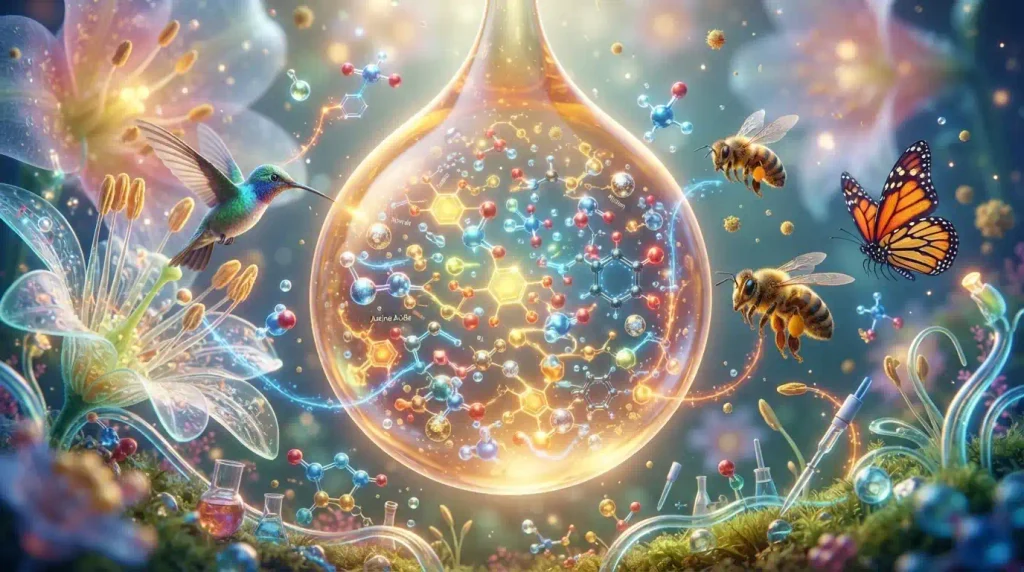
Nectar is much more than simple sugar water. Plants mix water, fructose, glucose, and trace minerals to create a nutritious drink tailored for specific animal partners.
Hummingbirds prefer high-sugar nectar that provides quick energy for fast wing speeds. Bees prefer nectar rich in amino acids, which helps them build strong colonies.
How Bees Collect and Transport Pollen
As bees visit blossoms for nectar, static electricity attracts loose pollen grains onto their fuzzy bodies. The bee brushes these grains down into specialized baskets on its hind legs.
- A single bee can visit thousands of blooms in one day.
- Pollen provides essential protein for growing young bees.
- Cross-pollination happens when pollen rubs off onto the next visited bloom.
Wind-Pollinated vs Insect-Pollinated Species
Not all plants rely on colorful petals and sweet scents to reproduce. Grasses, oak trees, and ragweed rely entirely on the wind to carry their pollen through the air.
Because wind pollination is random, these plants produce massive amounts of lightweight pollen grains. This airborne pollen is the main culprit behind seasonal allergies every spring and autumn.
Beyond looking beautiful in a vase, many plant blossoms play significant roles in our kitchens, fabric dye production, and commercial products worldwide.
Edible Blossoms in Culinary Traditions
Chefs around the world use edible petals to add delicate flavor, vibrant color, and texture to gourmet dishes. Nasturtiums offer a peppery bite, while squash blossoms can be stuffed with cheese and fried.
Saffron, one of the most expensive spices in the world, comes from the tiny red stigmas of the Crocus sativus blossom. It takes tens of thousands of hand-harvested blooms to produce just one pound of saffron.
Natural Dyes and Textile Colors
Before synthetic dyes existed, bright textiles were colored using natural plant extracts. Marigolds produced rich yellows, while hibiscus petals created deep red and pink dyes.
- Hibiscus yields rich ruby red liquid used in drinks and dyes.
- Cornflowers provide gentle blue tones for natural fabrics.
- Dandelion heads create bright yellow and gold dye colors.
Essential Oils and Perfume Crafting
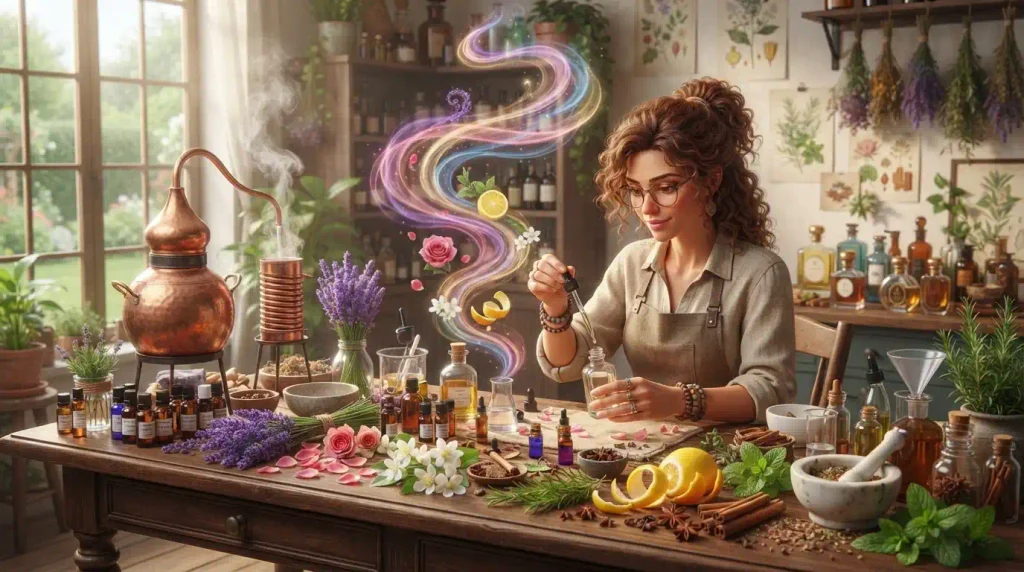
The perfume industry relies heavily on vast fields of cultivated flowers like jasmine and damask rose. Extracting delicate floral oils requires careful steam distillation or solvent extraction.
It takes thousands of delicate petals to produce a single tiny drop of pure essential oil. This high labor requirement explains why real floral perfumes remain so valuable today.
Floral health directly reflects the overall stability of local ecosystems. Supporting native plant species protects wildlife habitats, secures food crops, and keeps our ecosystems thriving.
Supporting Local Pollinator Populations
Without healthy blossoms, populations of native bees, butterflies, and hummingbirds collapse rapidly. Planting native varieties in home gardens gives local wildlife safe food sources throughout the growing season.
Monoculture lawns provide very little nutrition for beneficial insects. Replacing plain turf grass with diverse flower beds creates a thriving sanctuary for local wildlife.
The Impact of Climate Change on Blooms
Shifting global temperatures disrupt the delicate timing between plant blooming schedules and pollinator awakenings. When plants bloom too early due to warm winters, pollinators may not be awake yet to feed.
This timing mismatch leaves insects without food and plants without a way to reproduce. Conservationists work hard to protect natural habitats and restore native plant diversity to mitigate these issues.
Practice Exercise :
- Which flower produces the largest single bloom on Earth?
A. Sunflower
B. Rafflesia arnoldii
C. Hydrangea
D. Water Lily - What invisible patterns on petals guide insects toward nectar?
A. Infrared stripes
B. Magnetic trails
C. Ultraviolet markings
D. Thermal spots - Why do some plants close their petals at night (nyctinasty)?
A. To digest insects
B. To protect pollen from cold moisture
C. To stop growing
D. To absorb ground nutrients - What valuable spice is harvested from the stigma of a crocus bloom?
A. Cinnamon
B. Saffron
C. Vanilla
D. Cardamom - Which plant behavior describes tracking the movement of the sun?
A. Thermogenesis
B. Heliotropism
C. Photosynthesis
D. Cryptobiosis - What drives carnivorous plants to hunt insects?
A. Lack of sunlight
B. Nutrient-poor soil conditions
C. Need for shade
D. Extreme cold weather - Why do wind-pollinated plants produce so much pollen?
A. Wind pollination is random and inefficient
B. Insects eat most of it
C. Wind breaks the grains easily
D. Pollen feeds neighboring plants - During which historical craze did tulip bulbs trade for fortunes?
A. The Victorian Era
B. The Dutch Golden Age
C. Ancient Egypt
D. The Industrial Revolution - What heat-generating process allows skunk cabbage to melt snow?
A. Heliotropism
B. Thermogenesis
C. Nyctinasty
D. Floriography - What is the smallest flowering plant on Earth?
A. Watermeal
B. Clover
C. Daisy
D. Violet
Answer Key:
- B, 2. C, 3. B, 4. B, 5. B, 6. B, 7. A, 8. B, 9. B, 10. A
FAQs:
1. What is the rarest flower in the world?
The Middlemist’s Red is widely considered the rarest bloom on Earth, with only two known living specimens existing today. One resides in a greenhouse in the United Kingdom, while the other is located in New Zealand.
2. Why do some flowers smell bad, like rotting meat?
Plants like the corpse flower produce foul odors to attract carrion beetles and flies for pollination. These insects are naturally drawn to rotting material, so the bloom mimics that scent to lure them in effectively.
3. Do flowers suffer when you pick them?
Plants do not have brains or nervous systems, so they do not feel pain like animals do. However, picking a bloom triggers chemical responses within the plant as it attempts to heal the damage.
4. Can flowers grow in complete darkness?
Flowers cannot grow healthily in complete darkness because they need light for photosynthesis to create energy. While seeds may sprout in the dark, the growing plant will quickly pale and die without light access.
5. Why do hydrangea flowers change colors?
Hydrangea blooms change color based on the pH level and aluminum availability in the surrounding soil. Acidic soils produce blue blooms, while neutral or alkaline soils yield bright pink or red petals.
6. How long do cut flowers usually live in a vase?
Most cut blooms last between seven and fourteen days in a clean water vase. You can extend their lifespan significantly by cutting stems at an angle and changing the water every few days.
7. Why do bees prefer certain flower colors?
Bees see colors in the ultraviolet spectrum, making them naturally drawn to blue, purple, and yellow blossoms. They generally struggle to distinguish red petals from green foliage in bright sunlight.
Conclusion:
Exploring fun flower facts helps us appreciate the amazing complexity hidden inside nature’s simplest creations. From microscopic water plants to giant tropical blooms, every species developed remarkable ways to communicate, defend itself, and survive across diverse environments.
Sharing these fun flower facts with friends and family is a wonderful way to spread appreciation for the natural world. Learning about floral biology inspires us to look closer at the gardens and wild spaces around us every single day.
By discovering more fun flower facts, we understand how vital pollinators and plants are to global ecosystems. Consider adding native blossoms to your yard today to support your local wildlife and keep these botanical wonders thriving!

Zoey Carter is the creator and writer behind funsvibe.com, a friendly website where readers can discover interesting, entertaining, and useful content. She enjoys exploring different topics and turning fresh ideas into simple, engaging articles that are easy to understand. Zoey believes that good content should be informative while still feeling natural and enjoyable to read.
Through funsvibe.com, Zoey Carter focuses on sharing original, reader friendly content with a warm and conversational style. She enjoys researching new subjects, discovering helpful information, and presenting ideas in a clear way. Her goal is to make every visit enjoyable while giving readers something valuable to discover and remember.