

Floods are powerful natural events where water overflows onto normally dry land, bringing a mix of intense force and fascinating science. Exploring fun flood facts reveals how overflowing rivers shape planet Earth, move mountains of sediment, create rich farming soil, and trigger bizarre animal behaviors like floating ant islands or fish raining from the sky.
Water seems gentle when you pour a glass or splash in a pool, but it hides immense power once it starts moving over land. Learning these fun flood facts shows us that moving water can float massive boulders, wash away roads, and carve out massive canyons in just a few hours.
When rivers overflow, nature unrolls a dramatic show filled with surprising science, unexpected benefits, and wild historical moments. From sticky, sweet syrup spills in city streets to spiders wrapping whole forests in silk, these events keep changing how we view weather.
Discovering these fun flood facts will change how you see rainstorms, rivers, and the immense world of water around us. Let’s dive deep into the most astonishing water events and natural wonders in history!
The Wild Science Behind Water and Flooding
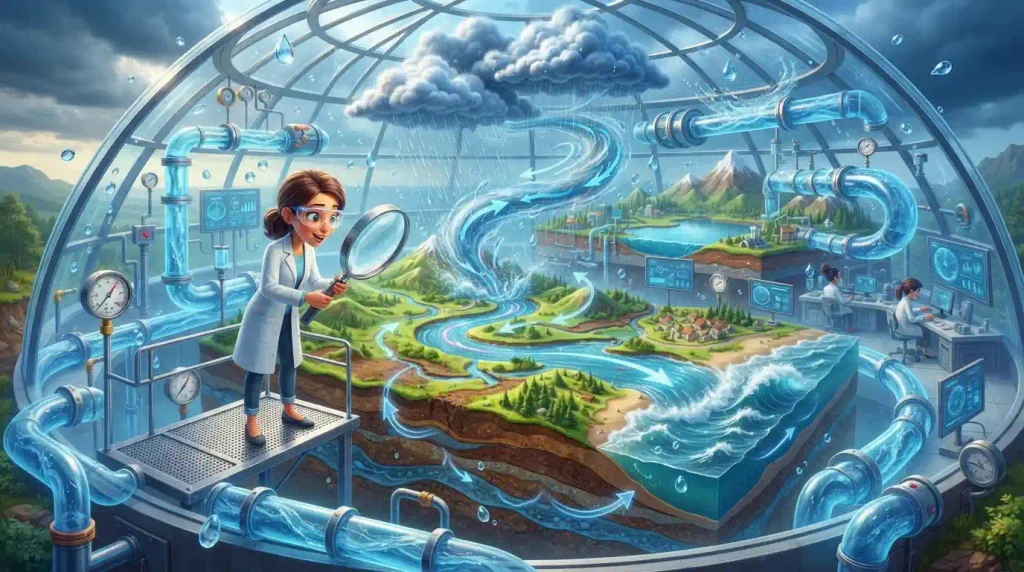
Water covers over seventy percent of Earth, constantly moving through clouds, rivers, and oceans. When a massive amount of water suddenly drops or shifts, the ground simply cannot soak it up fast enough. This triggers a flood, which is one of the most transformative natural events on our planet.
Floods act like massive sculptors that redesign mountains, valleys, and coastlines in just a few hours. The physics of moving water is surprisingly mind-bending once you examine how much power it packs.
Moving Water Packs an Unbelievable Punch
You might think a few inches of rain is harmless, but moving water weighs about sixty-two pounds per cubic foot. When that water starts sliding down a hill, its speed multiplies its destructive and transformative energy exponentially.
Just six inches of fast-moving water can knock an adult off their feet easily. Two feet of rushing water carries enough force to float and sweep away large SUVs and armored trucks.
Why the Earth Cannot Always Drink Up Rain
Ground acts like a giant sponge, but even sponges have limits when you pour water too fast. When dirt gets completely soaked, it reaches a state called saturation, forcing extra water to run over the surface.
Hard clay soil or concrete streets cannot soak up water at all. This forces all the falling rain to stay above ground, gathering into rapid currents that search for the lowest points of land.
The Strange Phenomenon of Flash Floods
Flash floods are the ultimate surprise party thrown by weather, usually happening in less than six hours. They can occur even under bright blue skies if a storm dumps heavy rain miles upriver from where you stand.
A dry creek bed can turn into a raging ten-foot wall of water in mere seconds. This speed happens because narrow canyons and sloped ground act like gigantic funnels, packing huge volumes of water into tight spaces.
Historic Flood Events That Baffled Scientists
Throughout history, human beings have witnessed floods that sound like strange myths or movie scripts. Some of these events involved water, while others involved sticky liquid treats running down city streets. These historical moments show how unpredictable liquid can be when human engineering or nature breaks down.
The Great Boston Molasses Flood of 1919
In January 1919, a giant storage tank in Boston burst, releasing over two million gallons of sweet molasses. This sticky wave reached heights of fifteen feet and swept through streets at thirty-five miles per hour.
It acted just like a fast-moving flash flood, trapping anything in its path under thick syrup. People said the city smelled like sweet caramel on hot summer days for decades after the event.
The Great London Beer Flood of 1814
Over a century before the molasses disaster, London experienced a literal beer flood. A giant wooden vat containing fermented porter ruptured at a local brewery, triggering a chain reaction that smashed other vats.
More than three hundred thousand gallons of beer surged out, flooding nearby streets and basement apartments. The bizarre event led to major safety reforms in how large industrial liquids were contained.
The Missoula Floods That Carved Scablands
During the last Ice Age, an ice dam holding back a huge lake in Montana broke apart repeatedly. The sudden release of water created the Missoula Floods, which rushed across Washington state with incredible force.
This water moved forty miles per hour and carried mountain-sized chunks of ice across hundreds of miles. The rush was so intense it carved out deep canyons and left massive ripple marks on dry land that are visible from space.
Bizarre Animal Behaviors During Big Floods
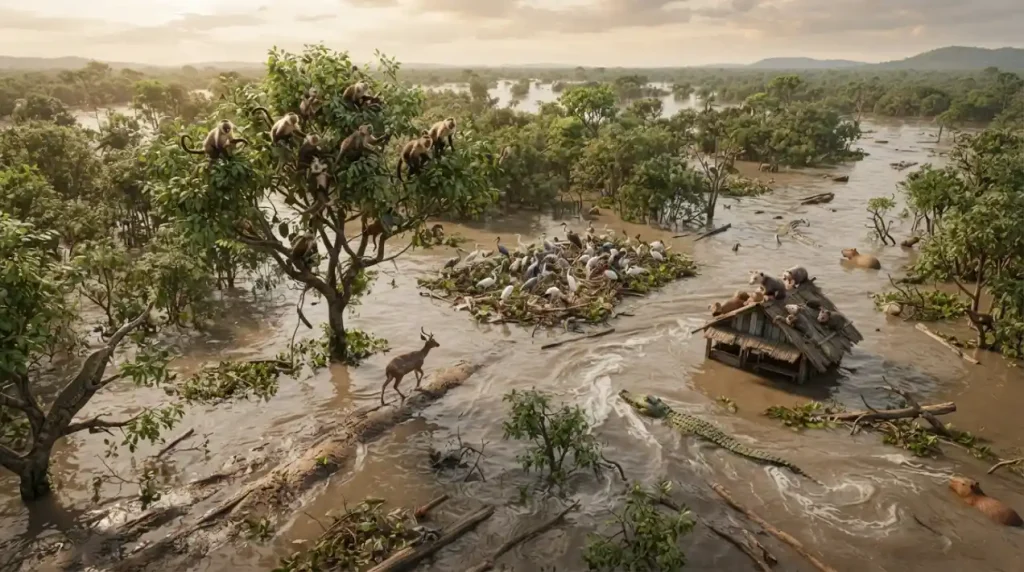
Animals do not have weather apps, but they possess amazing instincts when water starts to rise. From tiny insects to massive mammals, wildlife has developed wild tricks to stay alive when dry land disappears. These behavioral adaptations show how resilient life can be during sudden natural shifts.
Fire Ants Build Living Floating Rafts
When floods strike the American South, fire ants do not drown. Instead, thousands of ants lock their legs together to form a living, floating raft made entirely of their own bodies.
The queen and tiny eggs stay safely in the middle of this writhing raft. The raft can float on turbulent floodwaters for weeks until the insects bump into dry land or a tree trunk.
Spiders Cover Entire Towns in Silk
In places like Australia and Pakistan, massive floods force millions of tiny spiders to run up into the trees. To escape rising water, they spray silk into the air to catch the wind, a trick called ballooning.
When millions do this at once, entire forests and towns get covered in thick, glowing spiderweb blankets. It looks like a snowy winter wonderland, except the snow is made completely of sticky webs.
Fish Falling Directly Out of the Sky
During severe storms that cause flash floods, strange things can drop out of the clouds. Waterspouts, which are tornadoes over water, can suck up small fish, frogs, and crabs high into the sky.
The storm winds carry these creatures miles inland before dropping them along with heavy rainfall. People walk outside during a storm to find live minnows bouncing off their driveway and lawn.
Unbelievable Benefits of Earth’s Overflowing Waters
While high water causes damage, it also plays an essential role in keeping ecosystems healthy and thriving. Without occasional overflow, many natural environments would wither, lose nutrients, and turn into lifeless barrens. Earth actually relies on water distribution to feed plant life and support diverse ecosystems.
Nature’s Free Farming Fertilizer
When rivers spill over their natural banks, they do not just carry clear water. They transport fine mineral sand and rich decaying plant material called silt.
When the water dries up, it leaves this nutrient-rich silt layer spread across farming valleys. The Nile River Valley grew into an ancient superpower precisely because annual river swells continuously fertilized the farm soil.
Recharging Massive Underground Water Reserves
Much of the fresh water humans drink comes from deep underground reservoirs called aquifers. Normal rain falls slowly and often evaporates back into the atmosphere before soaking deep into the ground.
Floods hold huge amounts of water in place over large areas of land for days. This sustained pressure forces water deep through soil and rock layers, refilling vital drinking water reserves for the future.
Creating New Wetlands and Fish Habitats
Overflowing rivers reshape wetlands, creating temporary nursery ponds for fish, frogs, and birds. These calm, shallow waters are packed with microscopic food and lack big deep-water predators.
Young fish use these flooded floodplains to grow safely before swimming back into main river channels. Entire species of river life rely on seasonal high-water periods to reproduce successfully.
Fun Flood Facts: Quick Data Summary

Flood Frequency and Causes
Floods can happen after heavy rainfall, storms, melting snow, or overflowing rivers. Some areas experience floods more often because of geography, climate, and poor drainage systems.
Flood Damage and Impact
Floods can damage homes, roads, farms, and businesses while disrupting daily life. They may also cause soil erosion, water contamination, and major economic losses.
Flood Safety and Preparedness
Early warnings, emergency kits, safe evacuation routes, and avoiding floodwater can reduce risks. Simple preparation helps families respond quickly and stay safer during flooding.
How Engineers Fight Back Against Wild Water
Humans have spent thousands of years trying to control and direct excess water away from towns. From simple mud walls to high-tech digital dams, civil engineering has evolved dramatically over time. These impressive structures show human ingenuity working against the forces of nature.
The Invention of Giant Sea Walls
Countries like the Netherlands sit largely below sea level, making them prone to major ocean swells. To survive, Dutch engineers constructed massive barriers, dams, and storm surge gates called the Delta Works.
These giant steel doors can close automatically when computer systems detect dangerous tides arriving. It is considered one of the mechanical wonders of the modern engineering world.
Using Green Roofs to Absorb Heavy Rainfall
Modern cities use smart architecture to combat rapid water buildup right where rain falls. Engineers plant grass, bushes, and small trees directly on top of commercial building roofs.
These green roofs absorb heavy rainfall like massive sponges, preventing water from rushing straight into storm drains. This clever trick keeps street sewers from overflowing during sudden cloudbursts.
Massive Underground Flood Tunnels
Tokyo built one of the world’s largest underground water diversion facilities beneath its suburban streets. This gigantic underground cavern features massive pillars that make it look like a subterranean temple.
During heavy typhoons, giant pumps pull river water into these deep silos. The system safely pumps fourteen thousand tons of water per second out toward the ocean.
How to Stay Safe When Waters Rise

Understanding the science of moving water helps you stay safe when severe weather hits your area. Simple choices during a storm make a huge difference in avoiding dangerous situations. Respecting the speed and weight of moving water keeps you and your family out of harm’s way.
Turn Around, Don’t Drown
The most important rule during heavy rain is never to walk or drive through standing water. It is almost impossible to tell how deep a road puddle is or if the pavement underneath has washed away.
- Water hides deep potholes, open manholes, and sharp debris underneath the surface.
- Just six inches of moving water can cause you to slip and lose your balance.
- Cars can easily stall, lose traction, and start floating in less than two feet of water.
- Electrical currents from fallen power lines can travel through shallow ground pools.
Building an Emergency Weather Kit
Preparing a basic emergency supply box ensures your family stays comfortable if power cuts out during a storm. Having essentials ready in one central place eliminates panic when dark clouds roll in.
- Store three days of fresh drinking water in small, portable plastic bottles.
- Keep non-perishable canned foods alongside a simple manual can opener.
- Pack a bright LED flashlight with extra sealed batteries.
- Include a fully stocked basic first-aid kit with bandages and antiseptic wipes.
- Keep a battery-powered radio tuned to local weather broadcast stations.
Protecting Your Home Before the Storm Arrives
Simple maintenance around your yard prevents water from backing up and seeping into your house. Taking proactive steps before the heavy rain begins saves thousands in potential cleanup costs.
Clear out leaves and twigs from your roof gutters so rain drains freely away from your foundation. Angle splash blocks at the base of your downspouts to push runoff at least five feet away from walls.
If you live in a low-lying zone, installing a sump pump in your basement offers great protection. Check the pump’s check valve regularly to ensure it actively pushes rising groundwater up and out.
Practice Exercise
- How much water can knock an adult off their feet if it is moving quickly?
A. Two feet
B. Six inches
C. Three yards
D. One inch - What sweet liquid flooded the streets of Boston in 1919?
A. Maple syrup
B. Molasses
C. Honey
D. Chocolate milk - How do fire ants survive rising waters during major storms?
A. They dig underground sealed bubbles
B. They fly away using temporary wings
C. They lock legs to build floating rafts
D. They climb inside hollow acorns - What is the fine, nutrient-rich soil left behind by overflowing rivers called?
A. Gravel
B. Clay
C. Silt
D. Peat - What bizarre phenomenon occurred in London in 1814?
A. A giant milk flood
B. A massive beer flood
C. A vegetable soup spill
D. A tea ocean spill - Why do spiders cover trees in silk during major flood events?
A. To trap falling raindrops for drinking
B. To escape rising water on the ground
C. To catch flying fish in the canopy
D. To keep their eggs warm during rain - How much moving water does it take to float most large cars and SUVs?
A. Ten feet
B. Five feet
C. Two feet
D. Six yards - What carved out the deep Scablands in Washington state during the Ice Age?
A. The Missoula Floods
B. The Atlantic Ocean
C. The Amazon River
D. Slow-moving glaciers - What giant underground system protects Tokyo from typhoon overflow?
A. Deep mountain caverns
B. Massive water diversion tunnels
C. A series of wooden canals
D. A giant concrete roof - What force sucks small aquatic animals into the air, causing them to rain down later?
A. High atmospheric pressure
B. Waterspouts
C. Solar winds
D. Earthquakes
Answer Key
1. B | 2. B | 3. C | 4. C | 5. B | 6. B | 7. C | 8. A | 9. B | 10. B
FAQs
1. What is the primary cause of sudden flash floods?
Flash floods happen when heavy rain falls faster than the ground can soak it up. Narrow canyons, steep hills, and paved city streets channel this excess water rapidly into low areas, creating swift, high-volume currents in just a few minutes.
2. Can fish actually fall from the sky during storms?
Yes, fish can drop from storm clouds when strong waterspouts pass over lakes or oceans. These rotating wind columns vacuum small marine life high into the atmosphere, carrying them miles away before dropping them alongside intense rainfall.
3. Why is standing floodwater dangerous to walk through?
Standing water hides unseen hazards like washed-away pavement, deep holes, sharp submerged debris, and dangerous chemicals. Additionally, fast currents under six inches deep easily knock adults off balance, while submerged power lines create electrocution risks.
4. How do floods help agricultural land and local farmers?
Floods carry fine sand and decaying organic material called silt from upper river beds down into flat valleys. When high waters recede, they leave behind fresh, nutrient-rich topsoil that acts as a powerful natural fertilizer for growing healthy crops.
5. What should you do if your car gets stuck in deep water?
If your vehicle stalls in rising water, unbuckle your seatbelt immediately, roll down your window, and climb onto the vehicle’s roof. Call emergency services right away and wait for help rather than trying to swim through dangerous, moving currents.
6. How do city green roofs help manage heavy rainfall?
Green roofs use layers of soil and living plants to capture rain directly on top of buildings. By soaking up rainwater before it reaches street gutters, green roofs prevent urban drainage systems from getting overwhelmed during major storms.
Conclusion
Exploring fun flood facts reveals how water shapes our physical landscape and influences living creatures in astonishing ways. From floating ant rafts to massive ancient canyons, water power continually redefines life across planet Earth.
When you look back at these fun flood facts, it becomes clear that understanding how water moves helps us respect its vast strength while preparing for unexpected weather events. Simple safety choices like staying away from moving currents keep everyone safe when skies open up.
Next time heavy rain starts falling outside your window, think about the immense journeys water takes across the globe. Share these fun flood facts with your friends to spread curiosity about Earth’s dynamic natural forces!

Zoey Carter is the creator and writer behind funsvibe.com, a friendly website where readers can discover interesting, entertaining, and useful content. She enjoys exploring different topics and turning fresh ideas into simple, engaging articles that are easy to understand. Zoey believes that good content should be informative while still feeling natural and enjoyable to read.
Through funsvibe.com, Zoey Carter focuses on sharing original, reader friendly content with a warm and conversational style. She enjoys researching new subjects, discovering helpful information, and presenting ideas in a clear way. Her goal is to make every visit enjoyable while giving readers something valuable to discover and remember.