
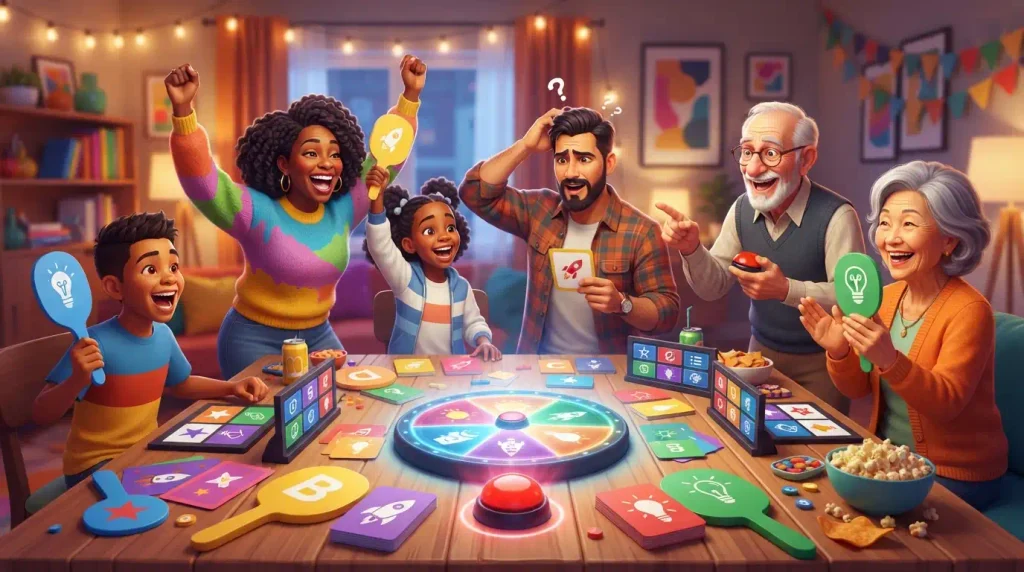
Fun family trivia is an engaging, group game where family members of all ages answer questions across various categories like movies, science, history, and pop culture. It builds bonds, encourages friendly competition, and provides entertaining screen-free fun for kids, teens, and adults alike during game nights.
Getting everyone off their screens for a game night can feel like an impossible task. Finding an activity that keeps both a seven-year-old and a grandfather entertained is rarely easy.
That is where fun family trivia comes in to save the evening. It brings healthy laughter, surprising discoveries, and friendly rivalries straight to your living room table.
With the right mix of questions, fun family trivia turns an ordinary dinner into a lively game show experience. Let us explore how you can create an unforgettable trivia tradition for your household today.
Playing fun family trivia offers something special for every generation in your home. It creates an inclusive environment where everyone gets a chance to shine and share their unique knowledge.
Why Fun Family Trivia Is the Ultimate Game Night Choice
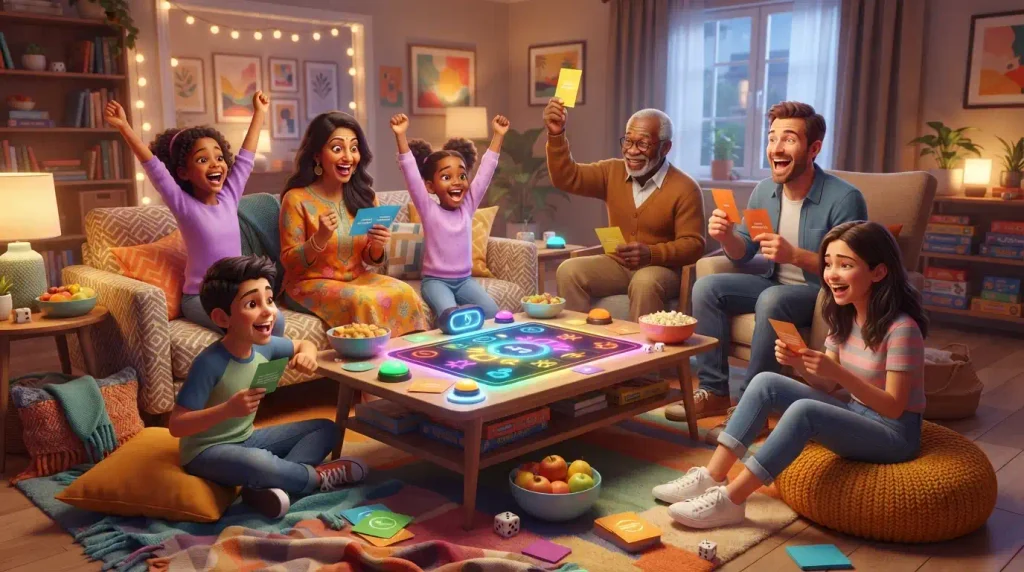
Finding activities that suit all ages often ends in compromise. Movie nights turn into arguments over choices, and board games can take hours to explain. Trivia breaks through these issues by offering instant, accessible entertainment.
Screen-Free Connection for All Ages
Most modern entertainment isolates family members behind individual screens. Trivia brings everyone back into the same conversational circle without digital distractions.
Kids love showing off facts they learned at school, while adults enjoy sharing historical tidbits. The shared giggles over wrong answers create genuine emotional connections.
Boosts Learning and Brain Power Naturally
Trivia is secretly educational without feeling like a boring classroom lecture. Kids practice recall, listening skills, and critical reasoning while playing.
- Memory Retention: Recalling facts under pressure strengthens active memory pathways.
- Team Dynamics: Teaming older and younger players teaches collaboration and patience.
- Broadened Knowledge: Everyone walks away learning something completely new about the world.
Easy to Set Up and Budget-Friendly
You do not need fancy gear, expensive boards, or digital subscriptions to enjoy trivia. A piece of paper, a pen, and a list of creative questions are all it takes to host a world-class game night.
How to Set Up Your Family Trivia Night
A little organization goes a long way in keeping the energy high and avoiding arguments. Setting clear guidelines ensures that the game stays fair and fun for everyone.
Step 1: Choose an Inclusive Format
You can run trivia in individual mode or as teams. Teaming up a kid with an adult balances out skill levels and keeps younger children from getting frustrated.
Step 2: Establish Simple Rules
Keep the rules straightforward. Decide early on if spelling counts, how much time players get per question, and whether smartphones are strictly forbidden.
Step 3: Prepare the Question Rounds
Organize questions into distinct categories or rounds of five to ten questions each. Vary the difficulty across rounds so every player gets a chance to shine.
For an easy start, you can organize your night into four distinct themed rounds:
- Animated Movies (Easy level for younger players)
- Animal Kingdom (Medium level for all ages)
- Science and Space (Medium level to test school facts)
- Wacky World History (Hard level to challenge adults)
Ultimate Category Breakdown for Game Night

Choosing the right categories ensures that everyone finds a topic they love, from young children to grandparents. Here is a deep look into how each theme enriches your trivia sessions.
Category 1: Animated Movies & Pop Culture
Movie and pop culture topics are massive hits with kids and nostalgic adults alike. They level the playing field instantly by testing fun media knowledge rather than complex academic subjects.
When you include questions about classic animation, hit superheroes, and favorite family films, younger players naturally feel confident and eager to participate alongside adults.
Category 2: Wacky Animal Facts
Animals are endlessly fascinating across all age groups. Nature facts often catch even adults completely off guard, making this one of the most exciting and unpredictable categories to include.
From deep-sea creatures with multiple hearts to birds that build elaborate nests, animal trivia opens up natural avenues for laughter and astonishing revelations for the whole family.
Category 3: Wonders of Science and Space
Science topics spark natural curiosity and let school-aged children show off what they are actively learning in class. Simple space and nature concepts keep the entire room intrigued.
By exploring planets, human body secrets, and basic physical forces, you turn ordinary game nights into engaging learning moments without making anyone feel like they are doing homework.
Category 4: Geography & World Wonders
Explore global landmarks, oceans, and cultures without ever leaving your living room couch. Geography facts encourage global awareness while keeping the gameplay varied and educational.
Asking questions about famous monuments, mysterious rainforests, and world capitals inspires family members to share stories about places they have visited or dream of exploring together.
Detailed Step-by-Step Hosting Guide for Families
To make your trivia event run like a professional game show, execution is just as important as the questions you choose.
Preparing the Venue and Materials
Transforming your living room into a game stage creates immediate excitement. Clear off the central coffee table, pull up comfortable seating, and provide every team with colorful paper notebooks and bold markers. Having a clearly visible score tracker on a whiteboard or easel ensures that everyone stays tuned into the ongoing competition.
Balancing Teams Fairly
If you have a wider age range, age-balanced pairing is critical. Partnering a teenager with an elementary student creates a dynamic where they must combine their knowledge areas to win. Adults can take on host roles or team up with toddlers who serve as the official “answer buzzers” by making funny sounds or clapping hands when their team knows an answer.
Managing Game Momentum
Pacing keeps players from losing focus. Keep question reading clear and concise, allow roughly thirty seconds for team discussions, and reveal answers promptly. If a question turns out to be too tough, throw in a quick, funny hint instead of letting the room sit in silent frustration.
Comparing Trivia Formats for Different Family Types
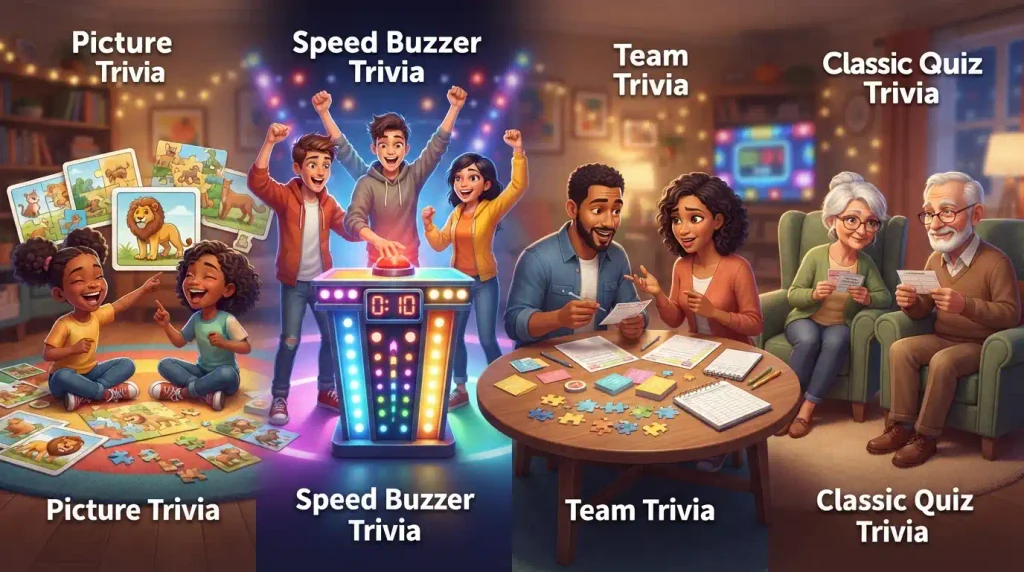
Different families enjoy trivia in different ways, so choosing the right format can make game time more exciting. Consider family size, ages, interests, and attention spans when selecting questions. From quick quizzes to team challenges, the best format keeps everyone involved, encourages friendly competition, and creates fun moments together.
Small Family Trivia
Small families can enjoy short, personalized trivia rounds where everyone gets several chances to answer. Questions about hobbies, movies, food, travel, or family memories can make the game more personal and entertaining.
Large Family Challenges
For larger families, team-based trivia works especially well. Divide players into balanced groups and use different categories to keep everyone interested. Team play also helps younger and older family members participate together.
Mixed-Age Trivia Games
Families with different age groups can combine easy, medium, and challenging questions. This format gives children, teenagers, and adults opportunities to contribute while keeping the competition fair, lively, and enjoyable.
Creative Ways to Level Up Game Night
Standard question-and-answer formats are great, but adding custom twists can take your event to the next level.
1. The Lightning Round
End your game night with a high-speed round. Give players 60 seconds to answer as many simple questions as possible. The fast pace creates hilarious blunders and high energy.
2. Physical Challenges Between Rounds
If energy levels drop or kids get fidgety, toss in physical mini-games between rounds. Have players balance a spoon on their nose or do a 30-second dance-off for bonus points.
3. Theme Nights and Costumes
Pick a central theme for the evening, such as Decades, Superhero Universe, or Around the World. Encourage everyone to dress up and bring snacks that match the theme.
4. Silly Low-Stakes Prizes
The reward does not need to be expensive. Winning the “Golden Spatula” trophy or choosing the next family movie night pick provides plenty of motivation to win.
Tips for Hosting the Host of the Night
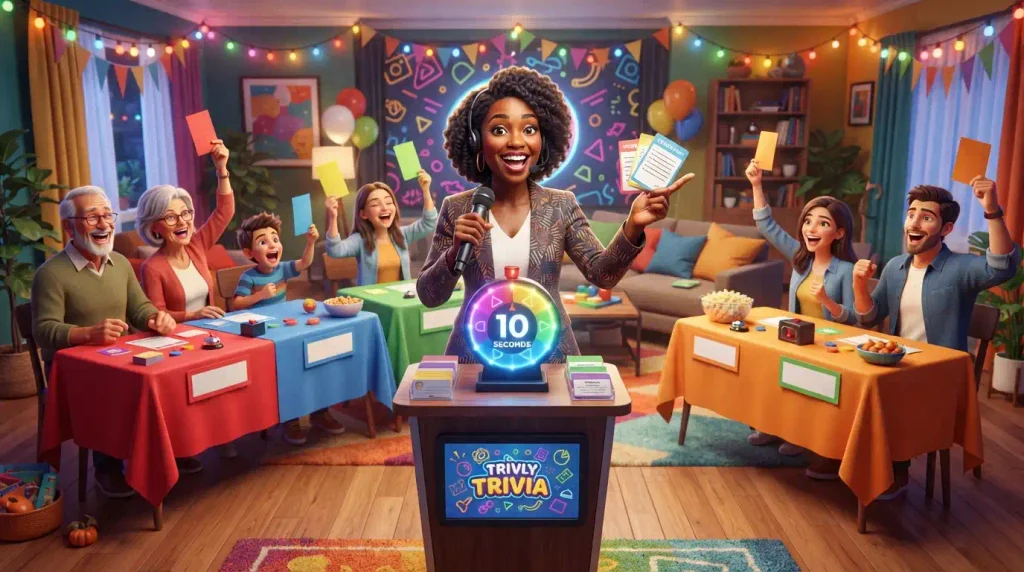
If you are acting as the host or quizmaster, your tone sets the mood for the whole evening. Keep these tips in mind:
Keep the Energy Up
Speak clearly, use playful suspense, and celebrate correct answers with enthusiasm.
Balance the Difficulty
If a question proves too hard, offer hints rather than letting players feel stumped or discouraged.
Keep Scores Prominently
Use a whiteboard or large notepad so everyone can keep track of the score in real time.
Practice Exercise
- What is the largest land mammal currently living on Earth?
A. White Rhinoceros
B. African Elephant
C. Hippopotamus
D. Giraffe - Which planet has the most rings visible from Earth?
A. Jupiter
B. Neptune
C. Saturn
D. Uranus - How many colors are in a standard rainbow?
A. 5
B. 6
C. 7
D. 8 - In mythology, what kind of creature was Medusa?
A. Gorgon
B. Siren
C. Minotaur
D. Centaur - What is the main ingredient in traditional guacamole?
A. Tomato
B. Avocado
C. Onion
D. Lime - Which famous scientist developed the theory of general relativity?
A. Isaac Newton
B. Nikola Tesla
C. Albert Einstein
D. Galileo Galilei - What is the national bird of the United States?
A. Golden Eagle
B. Peregrine Falcon
C. Bald Eagle
D. Red-Tailed Hawk - What primary instrument does a percussionist play in an orchestra?
A. Violin
B. Flute
C. Drums
D. Trumpet - Which continent contains the Amazon Rainforest?
A. Africa
B. South America
C. Asia
D. North America - What element does the chemical symbol ‘O’ stand for on the periodic table?
A. Gold
B. Osmium
C. Oxygen
D. Iron
Answer Key
- B | 2. C | 3. C | 4. A | 5. B | 6. C | 7. C | 8. C | 9. B | 10. C
FAQs
1. How do I include young children in family trivia without making it too easy for adults?
You can create custom question cards where kids get multiple-choice options while adults get direct questions. Alternatively, pair adults with young children in team formats so everyone collaborates.
2. What is the ideal length for a family trivia night?
An ideal session lasts between 45 and 60 minutes. This provides enough time for 3 to 4 fun rounds while keeping younger children engaged before they lose focus.
3. How many questions should be in a single trivia round?
Aim for 5 to 10 questions per round. This structure keeps the game moving swiftly and allows you to switch topics frequently to maintain interest across all ages.
4. What are good prize ideas for family trivia winners?
Simple, non-monetary rewards work best, such as granting the winner immunity from chores for a day, letting them pick weekend dinner, or awarding a silly homemade trophy.
5. How can I make trivia fun for teenagers who seem disinterested?
Include modern categories like current pop music, viral trends, video games, or popular movies. Giving teens a role like co-hosting or controlling the music playlist also helps boost their engagement.
Conclusion
Bringing your loved ones together for an evening of fun family trivia is one of the easiest ways to create lasting memories. It strips away digital distractions, encourages friendly banter, and helps everyone learn something new along the way.
Setting up a routine for fun family trivia keeps everyone looking forward to quality time together each week. It offers a cozy, low-stress environment where every family member feels included and valued.
Whether you use pre-made questions or design your own customized categories, hosting fun family trivia is all about having a great time. Gather your snacks, set up your teams, and let the friendly competition begin during your next game night!

Zoey Carter is the creator and writer behind funsvibe.com, a friendly website where readers can discover interesting, entertaining, and useful content. She enjoys exploring different topics and turning fresh ideas into simple, engaging articles that are easy to understand. Zoey believes that good content should be informative while still feeling natural and enjoyable to read.
Through funsvibe.com, Zoey Carter focuses on sharing original, reader friendly content with a warm and conversational style. She enjoys researching new subjects, discovering helpful information, and presenting ideas in a clear way. Her goal is to make every visit enjoyable while giving readers something valuable to discover and remember.