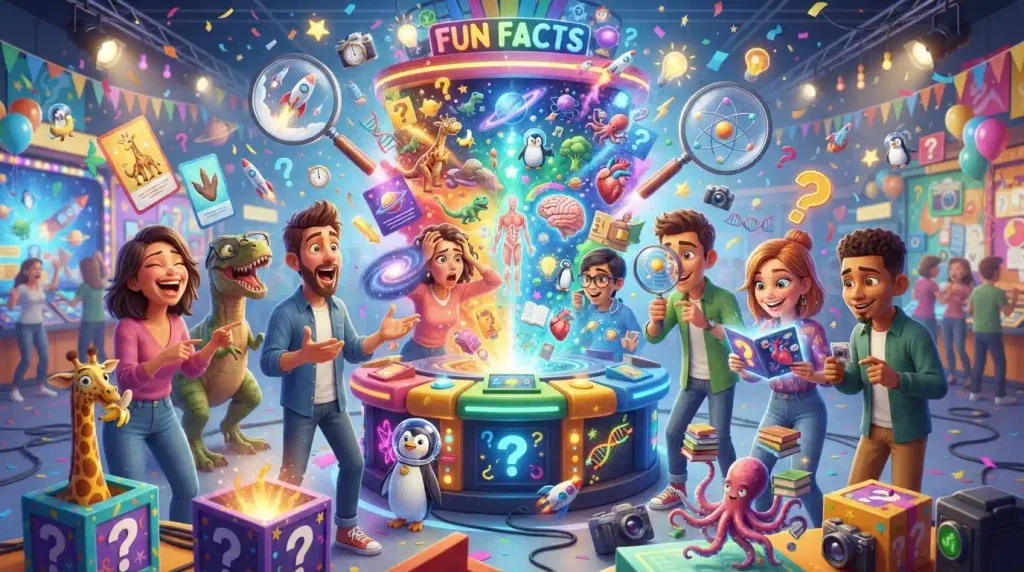
Fun facts pictures are visual representations of surprising trivia, historical oddities, and scientific wonders. They pair eye-opening images with brief explanations, making complex information easy to digest and share. These graphics help us retain knowledge faster while satisfying our natural curiosity about how the world works.
The human brain processes visual information thousands of times faster than plain text. That is why exploring fun fact pictures is one of the most entertaining ways to learn something new today.
When you pair an astonishing piece of trivia with an unmistakable image, the knowledge sticks instantly. Visual fun fact pictures transform boring background data into memorable snapshots you can share with friends.
Whether you want to discover strange animal traits or odd historical events, seeing is believing. Let us look at some of the most fascinating visual facts that will change how you see the world.
The Secret Power of Visual Learning
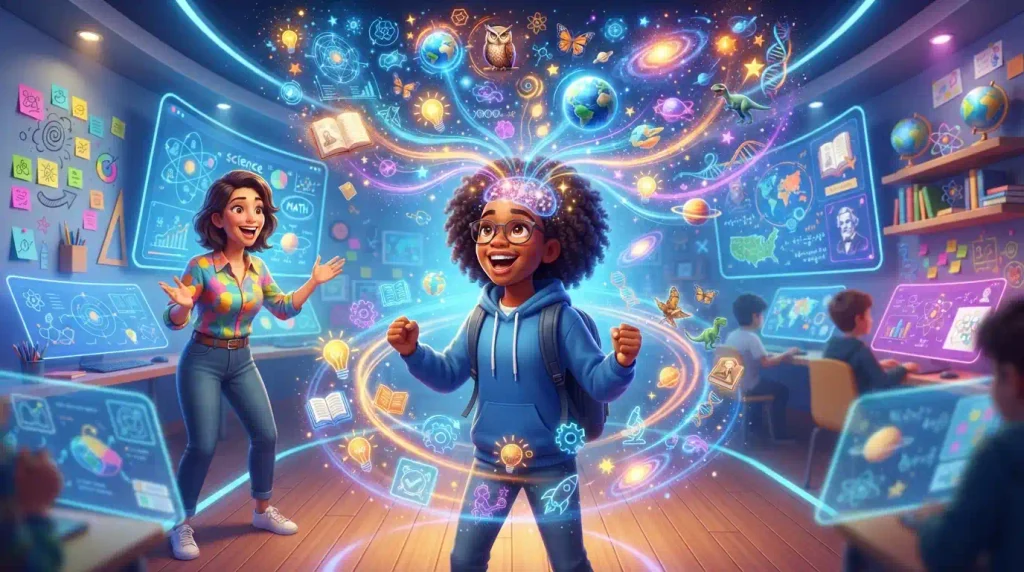
Our minds are wired to recognize shapes, colors, and patterns long before we learn to read words. When you look at fun fact pictures, your brain connects emotional curiosity with visual memory.
This dual-coding process makes it much easier to recall random trivia during your next game night. You do not just remember a set of numbers; you remember the vivid image attached to them.
Images also cut through the noise of dense text. A single photograph can show the massive scale of a blue whale heart far better than a simple measurement on a page ever could.
Bizarre Animal Facts Caught on Camera
The animal kingdom is full of oddities that seem like complete fantasy until you see proof. Photographers and researchers often capture moments that challenge everything we thought we knew about nature.
Why Wombats Poop in Cubes
Wombats are the only known creatures in the world that produce cube-shaped droppings. Their intestines stretch unevenly, shaping the waste into distinct blocks before it leaves their bodies.
This strange shape stops the waste from rolling away from their territory markers on steep rocks. It is a built-in architectural feature that helps them communicate with other wombats.
Flamingos Are Not Naturally Pink
When flamingos hatch, their feathers are actually a dull gray or plain white. They turn vibrant pink over time because of their diet, which is rich in beta-carotene.
They feast on brine shrimp and blue-green algae packed with these natural pigments. Without this specific food source, their feathers would eventually fade back to pale gray.
The Tongue of a Blue Whale
A fully grown blue whale possesses a tongue that weighs as much as an adult elephant. Despite this massive size, their throats are surprisingly small.
A blue whale cannot swallow anything larger than a beach ball. They rely entirely on tiny krill to sustain their massive bodies.
Mind-Bending Geography and Space Visuals
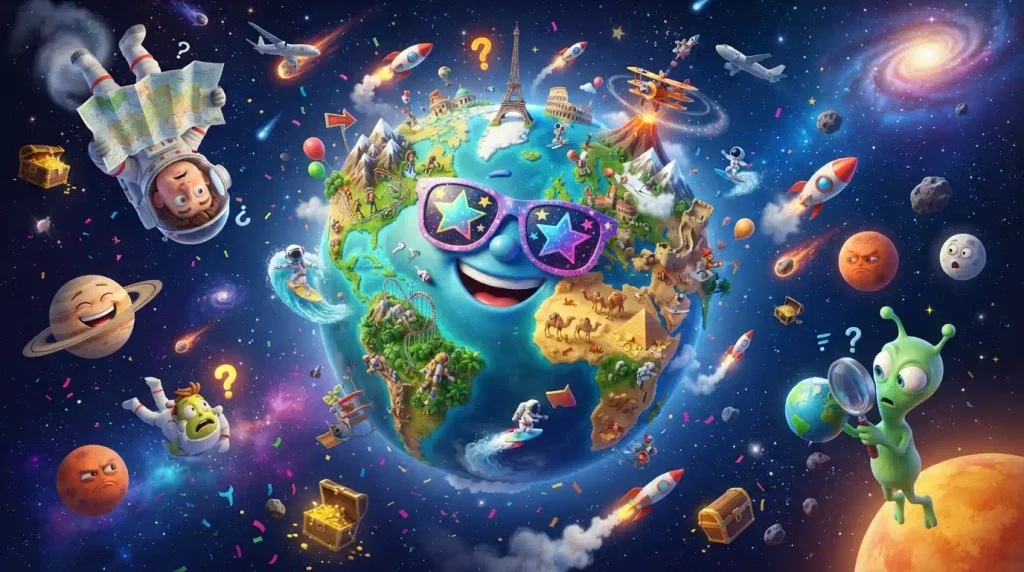
Looking at our planet and the universe from a visual perspective offers an instant reality check. Maps and space photography frequently expose how limited our daily viewpoint really is.
Alaska Belongs to Four Hemispheres
Most people think of Alaska as simply being in the far northwestern corner of North America. However, its chain of Aleutian Islands stretches so far west that it crosses the 180th Meridian.
This means Alaska is technically the easternmost and westernmost state in the United States. It sits in the Northern, Western, and Eastern Hemispheres all at once.
Sharks Are Older Than Trees
The earliest evidence of shark scales dates back roughly 450 million years. Meanwhile, the earliest plants that we would classify as trees appeared around 350 million years ago.
Sharks survived four of the five major mass extinction events on Earth. They were swimming through ancient oceans long before the first forests took root.
The True Scale of North America on Pluto
Pluto is often called a tiny icy dwarf, but seeing its size compared to Earth is still shocking. The entire surface area of Pluto is roughly equal to the landmass of South America.
If you placed Pluto directly over North America, it would stretch from coast to coast. It is a reminder that even dwarf planets are substantial worlds of their own.
Historical Oddities You Must See to Believe
History is full of strange events that sound like tall tales until you inspect the surviving photographs and documents. These visual records preserve moments where truth was stranger than fiction.
The Great Molasses Flood of 1919
In January 1919, a massive storage tank burst in the heart of Boston, Massachusetts. Over two million gallons of thick brown syrup rushed through the streets at 35 miles per hour.
The sticky wave destroyed buildings and trapped horses, claiming 21 lives. Local legends claim you can still smell sweet molasses on hot summer days in Boston.
Abraham Lincoln Is in the Wrestling Hall of Fame
Before he became the 16th President of the United States, Abraham Lincoln was an elite wrestler. Standing six feet four inches tall, he used his long limbs to dominate opponents.
He competed in around 300 matches over twelve years and was only defeated once. His impressive athletic record earned him an honor in the National Wrestling Hall of Fame.
Cleopatra Lived Closer to the iPhone Than the Pyramids
The Great Pyramid of Giza was built around 2560 BCE during the Old Kingdom of Egypt. Cleopatra VII lived and ruled much later, around 30 BCE.
This means Cleopatra lived roughly 2,500 years after the construction of the Great Pyramids. Meanwhile, she lived just over 2,000 years before the launch of the first smartphone.
Comparison Chart of Popular Visual Fun Facts
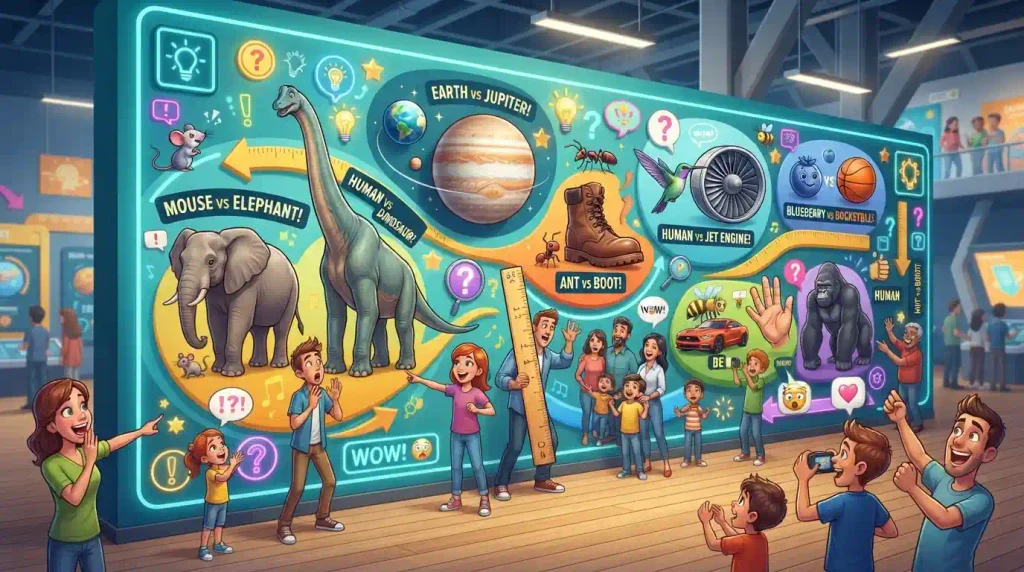
Visual fun facts make learning quick, engaging, and memorable. A comparison chart can show how different fact formats vary in style, topic, and appeal. From colorful infographics to animal facts and historical visuals, each format offers a unique way to present interesting information clearly.
Infographic Fun Facts
Infographics combine facts, icons, numbers, and illustrations to make information easy to understand.
Animal Fun Facts
Animal visuals highlight surprising behaviors, abilities, habitats, and unique characteristics in an entertaining format.
Historical & Science Facts
Historical and science pictures turn complex discoveries, events, and timelines into simple, eye-catching visual stories.
Everyday Objects Captured Under a Microscope
When you look at common household items through a high-powered electron microscope, they transform completely. Everyday materials reveal alien landscapes that exist right under our noses.
Chalk is Made of Microscopic Fossils
Standard blackboard chalk looks like a simple stick of compressed white powder. Under high magnification, you can see that it consists of billions of tiny plankton shells.
These microscopic marine creatures died millions of years ago and settled on ocean floors. Over millennia, their crushed skeletons formed the limestone deposits we mine today.
Velcro Was Inspired by Nature
In 1941, Swiss engineer George de Mestral went for a walk in the woods with his dog. Upon returning, he noticed hundreds of tiny burrs sticking stubbornly to his clothes and his dog’s fur.
He placed a burr under a microscope and noticed hundreds of tiny hooks. These hooks grabbed onto small loops in fabric fibers, sparking the invention of hook-and-loop fasteners.
Guitar Strings Look Like Heavy Cables
A simple acoustic guitar string feels smooth to the touch when you pluck a tune. Under a powerful microscope, however, a wound guitar string resembles a giant industrial cable wrapped in tight wire coils.
These tiny gaps trap dirt, skin cells, and oil from your fingers over time. That built-in buildup is the main reason why old guitar strings lose their bright tone.
Strange Human Body Capabilities
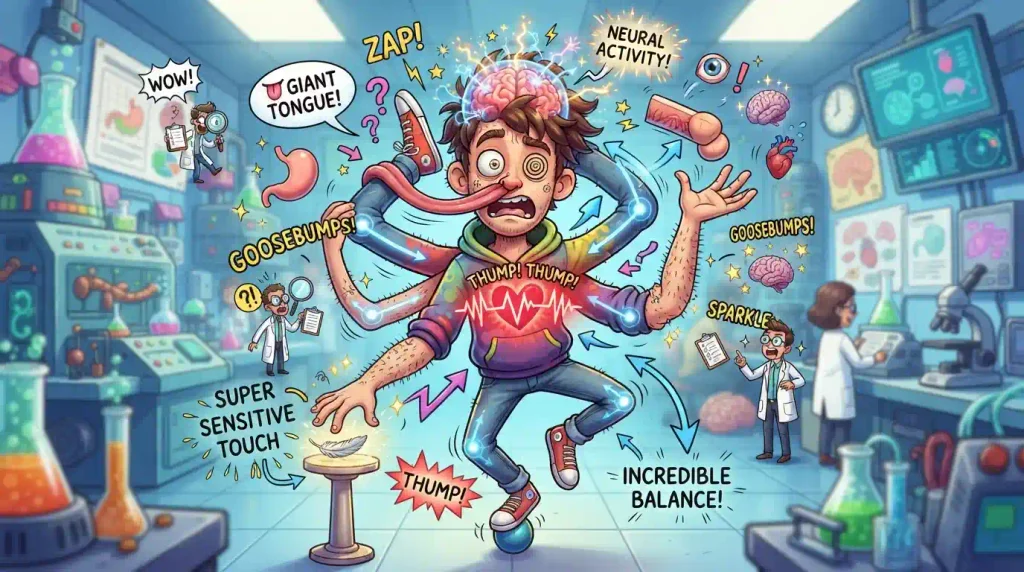
Our bodies carry out incredible processes every second without us ever realizing it. These internal mechanics prove that human biology is far more complex than any machine ever built.
Your Eyes Process Images Upside Down
The lens of your eye focuses light onto the retina at the back of your eyeball. Because of how light rays cross through a curved lens, the image cast on the retina is inverted.
Your brain receives this inverted signal and automatically flips the visual data right side up. It performs this corrective editing instantly, throughout every waking moment of your life.
Stomach Acid Can Melt Metal
Your stomach relies on concentrated hydrochloric acid to break down meals and kill bacteria. This gastric acid is powerful enough to dissolve certain metals, including zinc.
To prevent your body from digesting itself, your stomach lining continuously produces a thick coat of mucus. This protective layer burns away and completely regenerates every few days.
Bones Are Stronger Than Concrete
Weight for weight, healthy human bone is stronger than reinforced concrete or structural steel. A block of bone the size of a matchbox can support thousands of pounds of force.
This incredible strength comes from a dense internal network of collagen fibers mixed with mineral salts. It allows your skeleton to absorb heavy impacts without crumbling under pressure.
Everyday Confusion and Optical Illusions
Sometimes our brains struggle to interpret visual facts accurately because of how optical systems work. Seeing isn’t always believing when contrast, light, and perspective play tricks on us.
The Checker Shadow Illusion
When two identical shades of gray are placed next to contrasting background patterns, they appear totally different. Your brain adjusts color perception based on where it expects shadows to fall.
If you remove the surrounding background details, the two surfaces are revealed as identical matches. It shows that your brain constantly guesses context rather than displaying raw data.
The Lilac Chaser Effect
If you stare continuously at a central cross surrounded by a circle of fading magenta dots, something strange occurs. A green spot will appear to run around the circle in a continuous loop.
Eventually, the surrounding pink spots seem to disappear completely from your field of view. This happens because your retinal cells temporarily get tired of seeing the same fixed color.
Size Distortions on Standard World Maps
The Mercator projection map is used in most school classrooms around the globe today. However, it severely distorts the real proportions of landmasses as you get closer to the poles.
On a standard flat map, Greenland looks roughly the same size as the entire continent of Africa. In reality, Africa is about fourteen times larger than Greenland.
Surprising Food Facts Shown Visually
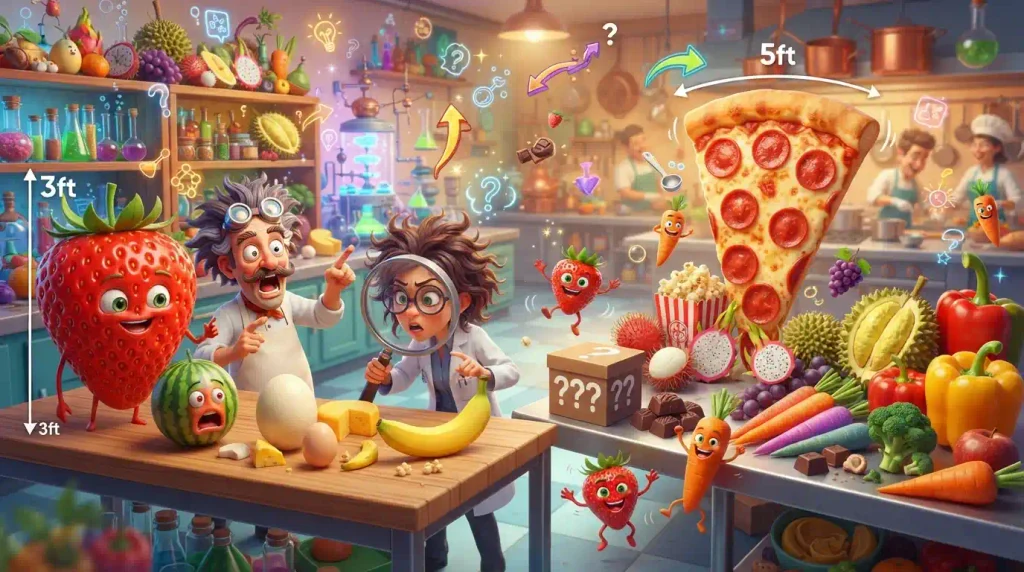
The food on our dinner plates often carries incredible origin stories and chemical surprises. Visual facts about food show us that everyday ingredients are full of hidden quirks.
Honey Never Truly Expires
Archaeologists exploring ancient Egyptian tombs have uncovered jars of sealed honey that are thousands of years old. Remarkably, the honey inside was still perfectly edible and unspoiled.
Honey stays fresh indefinitely because it contains almost no moisture and maintains a high acidity level. Bacteria and microorganisms simply cannot survive or multiply inside an airtight jar of pure honey.
Cashews Grow on Top of Apples
Most people assume cashews are harvested inside protective pods buried underground or attached to tree branches. In reality, the cashew nut grows attached to the bottom of a large, bright fruit.
This accessory fruit is known as the cashew apple, and it is widely eaten in tropical regions. The exterior shell of the raw nut contains a toxic resin that must be roasted off before eating.
Ripe Cranberries Bounce Like Rubber Balls
Farmers use a simple elasticity test to check if a crop of fresh cranberries is ready for harvest. A healthy, fully ripe cranberry contains small internal air pockets that allow it to bounce easily.
If a cranberry drops onto a hard wooden surface, it should spring right back up into the air. If it falls flat without bouncing, the fruit is either bruised, spoiled, or overripe.
How Modern Creators Design Great Visual Trivia
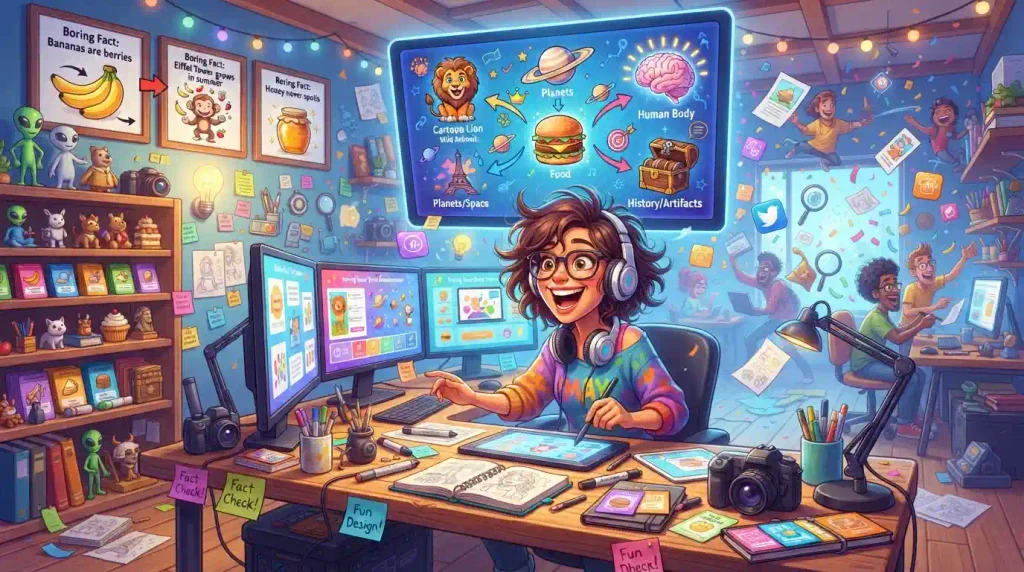
Creating engaging fun facts pictures requires a balance of visual design and factual accuracy. Top content creators follow key principles to ensure their graphics catch your eye immediately.
- High Contrast Typography: They use bold, simple fonts that remain easy to read even on tiny phone screens.
- Clear Visual Anchor: The main photograph or illustration must clearly highlight the specific detail being discussed.
- Concise Explanations: Text is kept brief, focusing on short sentences that deliver instant value.
- Fact-Checking Sources: Reputable creators double-check scientific papers and historical records before publishing images.
- Emotional Hook: They choose topics that stir up instant curiosity, surprise, or friendly debate among viewers.
Practice Exercise
- What unique shape is characteristic of wombat droppings?
A. Spherical
B. Cubical
C. Cylindrical
D. Oval - Why do wild flamingos develop vibrant pink feathers?
A. Sunlight exposure
B. Stress levels
C. Beta-carotene in their diet
D. Genetic mutation - Which organ of a blue whale weighs roughly as much as an adult elephant?
A. Heart
B. Liver
C. Tongue
D. Brain - What makes Alaska unique among American states regarding global hemispheres?
A. It sits in three hemispheres at once
B. It crosses the equator line
C. It is entirely in the Southern Hemisphere
D. It touches four oceans simultaneously - Which living creature existed long before the first trees appeared on Earth?
A. Honeybees
B. Sharks
C. Dinosaurs
D. Frogs - What sweet liquid flooded the streets of Boston during a famous 1919 industrial accident?
A. Maple syrup
B. Honey
C. Corn syrup
D. Molasses - What everyday material is composed of crushed microscopic shells from ancient sea plankton?
A. Blackboard chalk
B. Sandpaper
C. Glassware
D. Drywall plaster - What process does your brain perform automatically on images captured by your eyes?
A. Color inversion
B. Flipping them right side up
C. Magnifying fine details
D. Converting them to greyscale - Why does pure natural honey resist spoiling over thousands of years?
A. High fat content
B. Low moisture and high acidity
C. High salt concentrations
D. Constant exposure to light - What distortion occurs on standard Mercator projection world maps?
A. Tropical islands appear far too large
B. Continents near the poles look far larger than they are
C. The oceans appear much smaller than reality
D. Mountain ranges are flattened out completely
Answer Key
- B | 2. C | 3. C | 4. A | 5. B | 6. D | 7. A | 8. B | 9. B | 10. B
FAQs
1. Why are visual facts easier to remember than plain text?
Visual facts are easier to remember because the human brain processes image data much faster than written words. Combining an image with short text triggers dual-coding memory, helping you store and recall information effortlessly over time.
2. Where can I find reliable fun facts pictures online?
You can find reliable visual trivia on educational museum websites, scientific organization pages, and verified digital archives. Always make sure to check credited sources so you know the information behind the image is factually correct.
3. How do creators verify the accuracy of visual facts?
Creators verify visual facts by checking academic journals, consulting field experts, and cross-referencing reliable historical documentation. Checking multiple independent sources ensures that the image and its accompanying claim are completely accurate before sharing.
4. Can I use visual trivia graphics in classroom presentations?
Yes, using visual trivia graphics is a wonderful way to keep students interested and engaged. Bright imagery paired with surprising facts helps break up long lectures and makes complex topics easier for learners to absorb.
5. What makes a fun fact graphic go viral on social media?
A fun fact graphic goes viral when it pairs an astonishing revelation with a striking, high-contrast image. When viewers learn something that challenges their current worldview, they feel excited to share that discovery with friends.
Conclusion
Exploring the world through fun fact pictures opens up a whole new perspective on science, history, and daily life. Captivating graphics turn complex topics into memorable snapshots that spark your natural curiosity.
Whether you are learning about ancient sharks or microscopic chalk fossils, visual learning makes fresh discovery fun. It gives us a quick, enjoyable break that leaves us a little wiser than we were before.
Keep asking questions, seek out new visual facts, and share your favorite discoveries with friends today. You never know which mind-blowing image might inspire someone else to look closer at the world around them!

Zoey Carter is the creator and writer behind funsvibe.com, a friendly website where readers can discover interesting, entertaining, and useful content. She enjoys exploring different topics and turning fresh ideas into simple, engaging articles that are easy to understand. Zoey believes that good content should be informative while still feeling natural and enjoyable to read.
Through funsvibe.com, Zoey Carter focuses on sharing original, reader friendly content with a warm and conversational style. She enjoys researching new subjects, discovering helpful information, and presenting ideas in a clear way. Her goal is to make every visit enjoyable while giving readers something valuable to discover and remember.