
A fascinating fun fact about Qatar is its position as one of the world’s safest countries despite having no natural forests. It features the world’s most luxurious airport, an extraordinary inland sea, and a remarkable historic shift from pearl diving to natural gas.
Have you ever wondered how a small desert peninsula transformed into one of the most talked-about places on Earth? Discovering a mind-blowing fun fact Qatar holds can completely change how you view this unique Middle Eastern destination.
From dunes that sing in the wind to an inland sea that defies geography, this country packs endless surprises into a compact footprint. Learning every fun fact Qatar offers helps you appreciate how tradition and futuristic living mix together seamlessly.
Let’s explore the absolute best secrets, quirky details, and incredible stories that make this nation so special.
Geography and Nature That Will Shock You
When most people imagine this Arabian nation, they picture endless stretches of dry sand under a blazing sun. While the desert certainly plays a massive role in the local landscape, the actual geography contains mind-bending natural features you would never expect.
Understanding these natural wonders gives you a whole new appreciation for how wildlife and terrain adapt to extreme environments.
The Singing Sand Dunes
If you drive out to the desert south of the capital city, you might hear a low, rhythmic humming sound echoing across the hills. These sand hills produce physical acoustic vibrations whenever wind pushes dry quartz grains down steep slopes.
The friction between millions of sliding particles creates a loud, resonant vibration that sounds like an engine idling in the distance. Nature creates this rare acoustic phenomenon in only thirty places across the planet.
Khor Al Adaid: The Desert Inland Sea
Located in the far southeastern corner of the peninsula, Khor Al Adaid remains a rare UNESCO-recognized natural reserve. Here, the waters of the Arabian Gulf sweep deep into the heart of giant golden dunes.
No paved roads lead to this remote tidal bay, forcing skilled off-road drivers to navigate shifting sand fields. Watching wild marine life swim right along the edge of massive desert dunes creates an unforgettable memory.
Life Without Natural Forests
Environmental groups officially list this country as having zero percent natural forest cover. The harsh desert climate prevents tall native trees from forming forests naturally across the terrain.
Instead, hardy species like the Sidra tree and saltwater mangroves thrive along coastal inlets. The government actively plants urban parks and artificial forests to introduce lush greenery into everyday city life.
A Mind-Boggling Transformation From Pearls to Gas
Long before glass skyscrapers and high-speed subways filled the skyline, local life revolved entirely around the seasonal rhythm of the sea. Understanding this historic shift explains how traditional coastal culture shaped modern daily living.
The Era of Dangerous Pearl Diving
Before workers discovered oil and gas, pearl harvesting drove the peninsula’s entire economy. Brave divers plunged up to thirty meters into the sea using heavy stones and simple nose clips to gather wild oysters.
Divers stayed out at sea for months on wooden dhow boats under harsh maritime conditions. The entire community celebrated whenever the fleet returned safely home at the end of the summer season.
How Natural Gas Changed Everything
In the mid-twentieth century, geologists discovered massive offshore natural gas fields beneath the seafloor, completely reshaping the nation’s economic path. Energy experts quickly recognized the North Field as one of the single largest non-associated gas reserves on Earth.
This incredible resource turned a modest trading post into an economic powerhouse within a couple of generations. Today, that wealth fuels world-class museums, cutting-edge medical centers, and top-tier educational institutions.
Culture, Customs, and Everyday Life
Daily life in this peninsula nation mixes ancient Bedouin hospitality with ultra-modern international living. Respecting local customs makes any visit far more rewarding and enjoyable.
Falconry: A High-Tech Heritage Sport
Locals view falcons as far more than mere birds; they honor them as revered cultural icons representing nobility, patience, and survival. In fact, the government issues official national passports to falcons so they can travel securely in airplane cabins alongside their owners.
Specialized veterinary hospitals in the capital cater exclusively to these prized hunting birds. Owners use modern radio transmitters and drones to track and train their falcons across remote desert valleys.
The Arabian Oryx as a Symbol of Pride
The nation proudly honors the Arabian Oryx as its national animal—a striking white antelope with long, straight horns. Dedicated local conservationists ran breeding programs that saved these magnificent creatures from total extinction in the wild.
Today, herds of Oryx roam safely inside protected nature reserves across the plains. You will see their elegant silhouette on airline logos, sports badges, and national currency.
Camel Racing with Robotic Jockeys
Camel racing remains one of the most popular traditional sports, but trainers have added a high-tech modern twist. To protect young children, sports officials replaced human riders with lightweight, remote-controlled robotic jockeys.
Owners drive along paved tracks alongside the running camels, using walkie-talkies to cheer on their animals and operate the robot’s light whip. It creates a wild blend of ancient Bedouin tradition and modern tech innovation.
Architectural Wonders and Futuristic Cities
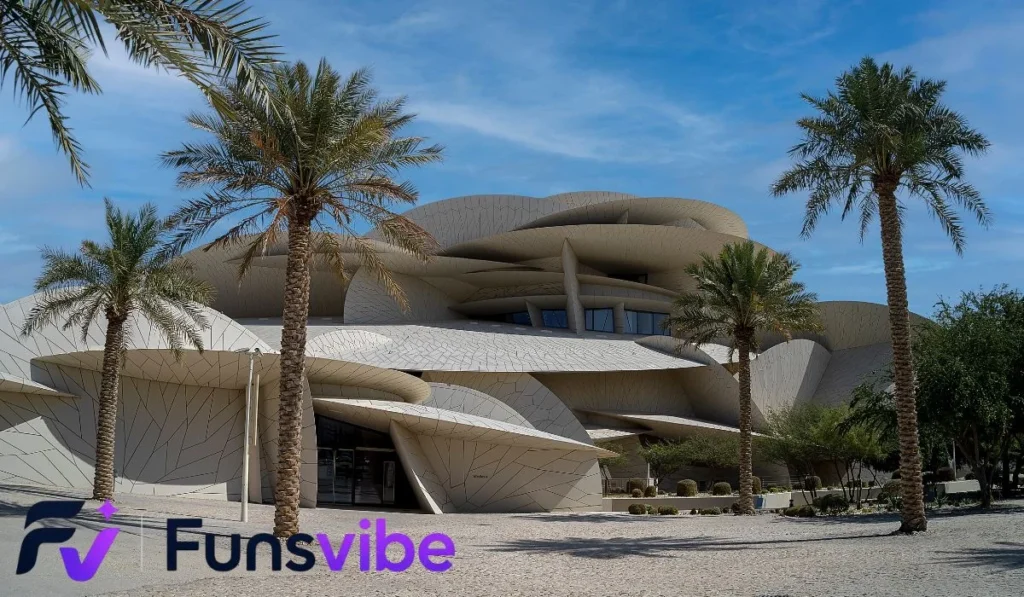
Walking through the capital feels like stepping onto a movie set for a futuristic sci-fi film. Renowned architects from around the world designed bold, iconic structures that honor traditional heritage while pushing design limits.
The Museum of Islamic Art
Sitting on its own private synthetic island along the waterfront promenade, world-famous architect I.M. Pei designed this museum. The building uses clean geometric limestone blocks that catch light and shadow dramatically as the sun moves across the sky.
Inside, thousands of years of historical artifacts, manuscripts, and textiles tell rich stories from across multiple continents. The top floor offers sweeping views back toward the bustling modern city skyline.
Katara Cultural Village
Developers built Katara as an open-air cultural hub that blends classic Greco-Roman architecture with traditional Gulf design elements. It features a massive stone amphitheater overlooking the ocean, traditional pigeon towers, and beautiful hand-tiled mosques.
Art galleries, open-air performance spaces, and seaside seafood restaurants draw steady crowds every evening. It serves as a creative bridge where artists from around the world meet to share ideas.
The Pearl-Qatar: Living on Artificial Islands
Engineers built The Pearl-Qatar on a historic pearl diving site, creating a massive artificial island that resembles a pearl necklace. It houses luxury apartments, Mediterranean-style marinas, and colorful shopping canals that feel like a miniature Venice.
Visitors ride electric water taxis through Venetian-inspired waterways filled with colorful pastel buildings and Rialto-style bridges. It shows how modern coastal engineering can create vibrant new communities out of open water.
Transportation Records and Global Connections
Despite its compact geographic size, this peninsula acts as a major hub connecting Asia, Europe, Africa, and the Americas. Millions of global travelers pass through every single year.
Hamad International Airport Standards
Aviation experts consistently rank Hamad International Airport among the most luxurious and efficient hubs in the world. Rather than feeling like a chaotic transit hall, it resembles an indoor tropical garden filled with natural light and quiet water features.
Artist Urs Fischer created a giant yellow teddy bear sculpture that sits right at the center of the main terminal as a famous meeting point. The airport even offers an indoor swimming pool, hydrotherapy tubs, and a squash court for long layovers.
The Driverless Doha Metro
The public transit authority operates one of the fastest, cleanest, and most advanced automated rail networks ever built. Computer navigation systems control the driverless trains to deliver precise, reliable arrivals.
Architects styled the station interiors with curved white roofs inspired by traditional Bedouin tents, mixing heritage motifs with sleek minimalist metalwork. Riding the metro gives tourists an affordable, comfortable way to explore all major city sights.
Culinary Delights and Unique Dishes

Food culture reflects centuries of spice trading along maritime ocean routes. Traditional chefs blend rich spices, slow-cooked meats, and fresh ocean seafood into mouthwatering culinary experiences.
- Machboos: Cooks serve this fragrant national dish of slow-cooked meat or chicken over heavily spiced basmati rice and roasted nuts.
- Karak Tea: Tea vendors brew this strong, sweet black tea continuously with evaporated milk, crushed cardamom, and saffron.
- Regag Bread: Bakers stretch this paper-thin crispy flatbread on a hot metal plate, often folding it over cheese, Nutella, or eggs.
- Luqaimat: Street vendors fry golden dough balls and drizzle them with sweet date syrup and toasted sesame seeds.
The Art of Karak Tea Drinking
Locals view Karak as far more than a simple hot drink; they treat it as an essential daily social ritual at all hours of the day and night. Tea shops operate drive-through stalls where drivers simply honk their horns to order fresh cups.
The slow simmering process infuses deep cardamom spice directly into milk, creating a rich flavor profile. Sharing a warm cup of Karak with friends represents the ultimate sign of relaxed local hospitality.
Seafood Traditions from the Gulf
Fresh seafood remains a major staple of the local diet, moving straight from coastal waters to market stalls. Chefs season kingfish, hamour, and tiger prawns with dried lime, turmeric, and garlic before grilling them over open charcoal pits.
Visiting the bustling fish market early in the morning lets you watch fishermen unload their daily catches directly from wooden dhows. The vibrant energy and fresh smells create a true feast for your senses.
Sustainable Innovations for a Warmer Future
Living comfortably in a desert climate requires smart engineering and creative thinking. The nation continuously invents new ways to cool outdoor spaces, conserve freshwater, and build sustainable green cities.
Air-Conditioned Outdoor Streets
To make outdoor walking comfortable during hot summer months, urban planners installed specialized outdoor cooling systems in public plazas and shopping streets. Vents in the floor and hidden wall grates blow cool air gently along pedestrian walkways.
This clever engineering lowers ambient outdoor temperatures by up to ten degrees Celsius without using closed glass doors. It allows families to enjoy outdoor dining even during warm evenings.
Msheireb Downtown: The World’s First Sustainable Regeneration
Urban planners created Msheireb Downtown Doha as a groundbreaking project that rebuilt an older commercial district into an eco-friendly community. Architects angled the buildings to catch natural sea breezes while blocking harsh direct sunlight.
Rooftop solar panels generate clean energy, while underground tunnels keep service trucks off pedestrian streets completely. It proves that architects can update historic styles to meet high modern sustainability standards.
Surprising Facts That Sound Too Wild to Be True
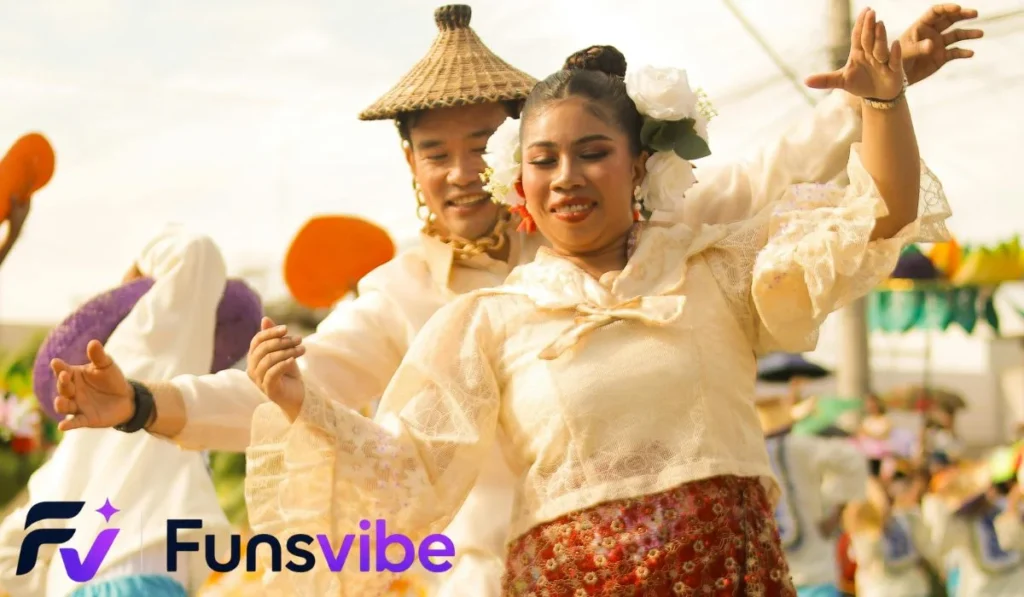
Sometimes truth is stranger than fiction, especially when examining quick trivia details about this dynamic peninsula. Here are a few extra fun facts that usually leave people completely speechless:
- Incredible Public Safety: Global indexes consistently rank it among the top five safest countries on Earth with near-zero violent crime rates.
- Zero Rivers: Nature provided zero permanently flowing rivers across the entire peninsula.
- Flat Terrain: The highest natural elevation point reaches just 103 meters above sea level at Qurayn Abu al Bawl.
- A Diverse Population: International expats make up over eighty-five percent of the total population.
Living in One of the World’s Safest Places
Extremely low crime rates allow residents to walk around safely at night without security concerns. People routinely leave laptops on café tables or cars unlocked while stepping away for quick errands.
This safe environment stems from strong community values, mutual respect, and clear national laws. It gives both locals and visiting tourists immense peace of mind.
How Freshwater Is Made Without Rivers
Without natural rivers or lakes, supplying fresh drinking water to millions of people requires massive engineering projects. Desalination plants strip salt from ocean water using high-pressure filtration systems to supply homes and businesses.
Technicians test the water quality rigorously around the clock to ensure it meets strict international health standards. Advanced water recycling plants also process wastewater to irrigate public parks and farm crops safely.
Practice Exercise
- What acoustic sound do the desert dunes south of Doha produce?
A. High-pitched whistle
B. Low rhythmic humming vibration
C. Loud thunderous clap
D. Ocean wave crashing sound - What makes Khor Al Adaid a rare geographical location?
A. It contains the world’s deepest natural freshwater lake.
B. Desert dunes directly touch ocean waters.
C. Pine forests completely cover its shorelines.
D. It experiences heavy snowfall during winter months. - Which sport uses remote-controlled robotic jockeys instead of human riders?
A. Horse racing
B. Camel racing
C. Falconry competitions
D. Dhow boat racing - What natural resource drove the primary economy before workers discovered natural gas?
A. Wild pearls
B. Copper mining
C. Timber exports
D. Gold farming - What unique travel document do prized falcons hold?
A. Driver’s license
B. Official national passport
C. Birth certificate
D. International credit card - Which national animal did local conservationists save from wild extinction?
A. Arabian Oryx
B. Golden Eagle
C. Desert Monitor Lizard
D. Sand Cat - How does the nation produce most of its fresh tap water without natural rivers?
A. Importing bottled water by cargo ships
B. Ocean water desalination plants
C. Collecting rainwater in giant mountain dams
D. Melting Arctic icebergs shipped in - Which famous yellow sculpture sits inside Hamad International Airport?
A. A giant bronze falcon
B. A giant yellow teddy bear
C. A golden camel statue
D. A marble pearl fountain
Answer Key
1: B | 2: B | 3: B | 4: A | 5: B | 6: A | 7: B | 8: B
FAQs
1. What is the most famous fun fact Qatar is known for?
The most famous fun fact Qatar boasts is that desert dunes meet the sea directly at Khor Al Adaid. Additionally, nature provided zero natural forests and zero permanent natural rivers across its entire land area.
2. Is it safe to travel around Qatar as a solo tourist?
Yes, solo travelers enjoy exceptional safety because the country consistently ranks among the safest globally. Police report virtually no violent crime, and public transit systems run clean, monitored, and easy routes.
3. How do people stay cool during hot desert summers?
People stay cool using air-conditioned indoor spaces, underground metro systems, and specialized outdoor cooling systems in shopping districts. Most people schedule outdoor activities, coastal boat trips, and dining events during cooler evening hours.
4. Why do falcons have their own official passports?
The government issues official passports to falcons to prevent illegal smuggling and permit cabin travel on airplanes for international hunting competitions. These travel documents verify ownership and health records.
5. What is the best time of year to visit and explore?
Travelers prefer visiting between November and April when outdoor temperatures remain warm, mild, and pleasant. This season offers ideal weather for desert camping, sightseeing, boat tours, and outdoor beach festivals.
6. What language do people speak throughout the country?
Arabic serves as the official national language, but English is widely spoken across hotels, restaurants, shops, and public transit. You can easily travel, shop, and communicate without speaking fluent Arabic.
Conclusion
Exploring fun facts about Qatar reveals a fascinating mix of rich culture, modern development, unique traditions, and remarkable places. These facts offer an enjoyable way to learn more about the country and its distinctive identity.
From its history and heritage to its impressive landmarks and changing landscape, Fun Fact Qatar provides plenty of interesting details for curious readers. Each fact can help create a deeper appreciation for Qatar and its cultural character.
Overall, Fun Fact Qatar is a great topic for discovering surprising information easily and engagingly. Whether you are learning for fun or expanding your knowledge, Qatar has many fascinating facts worth exploring.
Zoey Carter is the creator and writer behind funsvibe.com, a friendly website where readers can discover interesting, entertaining, and useful content. She enjoys exploring different topics and turning fresh ideas into simple, engaging articles that are easy to understand. Zoey believes that good content should be informative while still feeling natural and enjoyable to read.
Through funsvibe.com, Zoey Carter focuses on sharing original, reader friendly content with a warm and conversational style. She enjoys researching new subjects, discovering helpful information, and presenting ideas in a clear way. Her goal is to make every visit enjoyable while giving readers something valuable to discover and remember.