
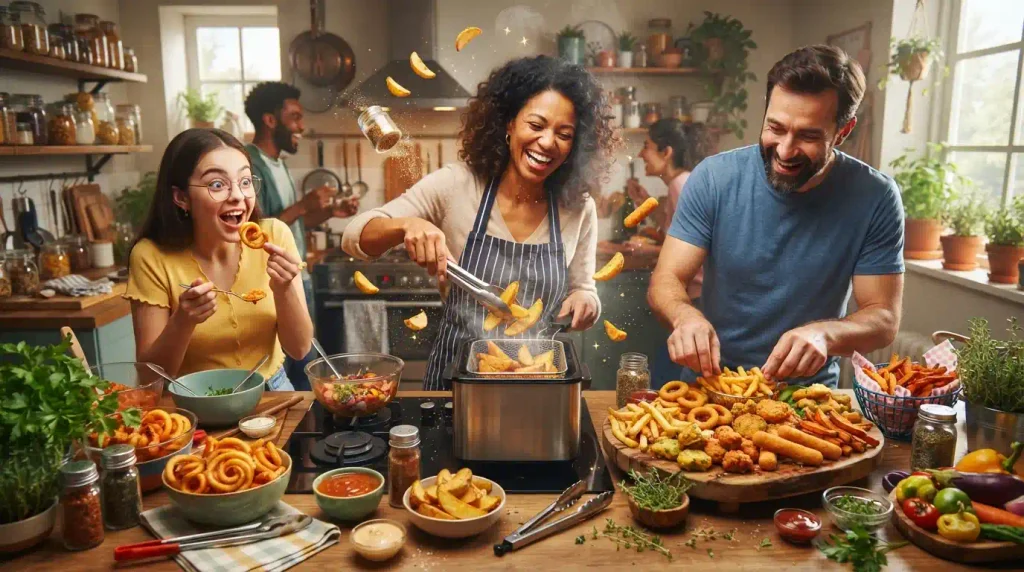
A fun fry is a crisp, quick-cooked snack—often made from puffed wheat pellets, corn flour, or thinly sliced root vegetables—cooked rapidly in hot oil or an air fryer. It yields a light, airy crunch that pairs effortlessly with savory seasonings, making it a fast favorite for casual entertaining and everyday snacking.
Have you ever dropped a tiny, hard piece of dry dough into warm oil and watched it blossom into a snack within two seconds flat? That instant transformation is the pure magic of a fun fry, turning basic kitchen ingredients into pure crunchy entertainment.
Whether you call them fryums, snack pellets, or homemade crispy bites, preparing a fresh fun fry gives you instant access to hot appetizers whenever a craving hits. You do not need any professional culinary training to get them perfectly light, shatteringly crisp, and packed with irresistible flavor.
Let us explore everything you need to know about preparing, seasoning, and enjoying every fun fry so you can serve up incredible homemade treats for your next movie night or family gathering.
Understanding the Fun Fry Phenomenon

To appreciate why this snack is so popular around the globe, it helps to understand what actually happens when heat hits the raw base. The science behind it is surprisingly simple, yet it yields a texture that standard potato chips rarely match.
What Is a Fun Fry Made Of?
Most pre-packaged snack pellets rely on starches like potato flakes, wheat flour, rice flour, or tapioca starch. Manufacturers mix these dry ingredients with water, shape them into small designs, and dehydrate them until they are completely moisture-free.
When you purchase them unformed, they look like small pieces of hard plastic or dense dry pasta. However, inside that hardened starch structure lies a tiny amount of trapped moisture waiting to expand.
The Science Behind the Snap
When you submerge a dry pellet into hot oil or expose it to intense circulating air, the trapped moisture instantly converts into steam. That steam expands violently, pushing outward against the starch walls and forcing the raw shape to swell up to three times its original size.
As the steam escapes, the surrounding starch sets almost immediately into a delicate lattice. This rapid expansion creates a hollow, web-like interior that gives the fun fry its characteristic airy bite and satisfying crunch.
Popular Shapes and Variations
Part of the joy comes from the huge variety of shapes available in international markets and local grocery stores. You can easily find options that make snacking feel like play:
- Rings and wheels that hold extra seasoning in their grooves.
- Tubes and straws that offer a uniform, extra-snappy bite.
- Animal shapes, stars, and hearts that kids absolutely adore.
- Striped lattice sheets that mimic miniature outdoor grills.
Selecting the Right Raw Ingredients
While buying store-bought dehydrated pellets is the fastest route, you can also build similar crispy bites from scratch using basic kitchen staples. Knowing your starting ingredients helps you choose the best cooking method every time.
Commercial Pellets vs. Homemade Bases
Commercial pellets offer unmatched convenience because they store for months in an airtight jar without spoiling. They expand reliably and require zero prep work beyond heating your pan.
On the other hand, making your own bases from dehydrated rice paste, sliced lotus root, or cooked sago pearls lets you control every ingredient. You avoid unwanted preservatives while tailoring the dough to your specific dietary needs.
Starch Types and How They Perform
Different starches produce noticeably different textures once cooked:
- Tapioca starch creates a delicate, glass-like crunch that melts on your tongue.
- Wheat flour offers a denser, sturdier bite that stands up well to heavy dips.
- Potato starch expands rapidly into bright white, extremely light clouds.
- Cornmeal adds a subtle toasted flavor and a slightly firmer, grainier crunch.
Master the Classic Deep-Frying Method

Deep frying remains the traditional way to prepare any fun fry because oil transfers heat almost instantly. This rapid heat transfer ensures maximum expansion without leaving the center raw or chewy.
Getting the Temperature Right
Oil temperature determines whether your snacks end up light and crispy or soggy and grease-logged. The ideal range for frying raw pellets sits right between 350°F and 375°F (175°C to 190°C).
If the oil is too cool, the pellets absorb grease without expanding fully, resulting in dense, hard centers. If the oil is too hot, the exterior burns before the inside gets a chance to puff up completely.
Step-by-Step Skillet Frying
Frying these snacks takes under two minutes from start to finish, so stay close to the stove and work in small batches:
- Pour high-smoke-point oil (like canola, peanut, or sunflower oil) into a deep skillet until it reaches about two inches deep.
- Heat the oil over medium-high heat until a test pellet floats and puffs up within two seconds.
- Drop a small handful of raw pellets into the hot oil, ensuring they have plenty of room to expand.
- Stir gently with a slotted spoon for 5 to 10 seconds until all pieces swell uniformly.
- Scoop the puffed snacks out immediately and drain them on a line of paper towels.
Common Deep-Frying Mistakes to Avoid
The most frequent error beginners make is overcrowding the pan. When you drop too many cold pellets into the hot oil at once, the oil temperature drops drastically, causing the snacks to absorb excess fat.
Another common pitfall is waiting too long to remove them from the pan. Because these treats are so light, they transition from perfectly golden to scorched in just a couple of seconds.
Modern Healthier Cooking Alternatives
If you want to skip the oil bath without sacrificing the fun, modern kitchen appliances offer fantastic alternatives. You can easily create a lighter version of your favorite crunchy snack with minimal fuss.
Using an Air Fryer for Oil-Free Crunch
Air fryers use hot air circulation to mimic the rapid heat transfer of deep frying, making them ideal for cooking dehydrated pellets.
Preheat your air fryer to 380°F (193°C) for three minutes. Lightly mist the raw pellets with a tiny spray of cooking oil so seasonings stick later, then cook them in a single layer for 60 to 90 seconds until fully expanded.
The Microwave Shortcut
For an ultra-fast snack with zero added oil, your microwave can get the job done in seconds. Place a single layer of pellets on a microwave-safe plate, leaving space between each piece.
Microwave on high power for 30 to 45 seconds. Keep a close eye on them through the door, as they will suddenly puff up all at once; stop the microwave as soon as the expansion finishes to prevent scorching.
Oven Baking Techniques
While less common, baking works well for larger, homemade starch bases. Preheat your oven to 400°F (204°C) and line a baking sheet with parchment paper.
Arrange your dried snack bases across the tray without overlapping them. Bake for 3 to 5 minutes, watching carefully until every piece expands and feels crisp to the touch.
Comparing Cooking Methods for the Ideal Fun Fry

Different cooking methods can change the texture, flavor, and appearance of a fun fry. Deep-frying creates a crisp finish, while air-frying offers a lighter option. Pan-frying provides control over browning and texture. Choosing the right method depends on the ingredients, desired crispiness, cooking time, and personal taste.
Deep-Frying for Extra Crispiness
Deep-frying delivers a golden, crunchy exterior and tender center, making it ideal for classic fun fry recipes.
Air-Frying for a Lighter Choice
Air-frying uses less oil while still creating a satisfying crisp texture, making it a convenient modern option.
Pan-Frying for Flavorful Results
Pan-frying allows better control over browning and seasoning while giving foods a deliciously crisp surface.
Flavor Profiles and Custom Seasoning Blends
A plain fun fry offers a pleasing crunch, but the true excitement comes from bold seasonings. Because these snacks possess a mild starch base, they act as the ultimate canvas for sweet, savory, and spicy flavor combinations.
Timing Your Seasoning Application
The secret to getting spices to stick without using artificial additives lies in your timing. Apply your dry spices the instant the snacks leave the hot oil or air fryer.
The residual heat and surface oil pull fine spice powders straight onto the snack’s porous surface. If you wait until they cool down completely, the dry seasonings will simply slide off and pool at the bottom of your serving bowl.
Bold Savory and Spicy Blends
If you love punchy, zesty snacks, try tossing your fresh batch with these homemade spice ideas:
- Zesty Chaat Masala: Mix black salt, dried mango powder, cumin, and a pinch of chili powder for an authentic tangy taste.
- Smoky BBQ Rub: Combine smoked paprika, brown sugar, garlic powder, onion powder, and sea salt.
- Classic Chili Lime: Blend fine salt, cayenne pepper, and dehydrated lime juice powder for a refreshing Mexican-inspired kick.
Creamy and Cheesy Options
For a comfort-food vibe, toss your warm snacks with nutritional yeast, fine parmesan dust, or cheddar cheese powder. Adding a touch of buttermilk powder creates a tangy ranch flavor that kids love.
If you enjoy sweet treats, try dusting hot, unseasoned crisps with cinnamon sugar or cocoa powder. The combination of sweet cinnamon and an airy crunch tastes surprisingly like a churro!
Creative Ways to Serve and Pair Your Snacks
While eating them straight out of a bowl during a movie is classic, you can easily elevate a simple fun fry into an impressive party appetizer.
Build a DIY Snack Bar
If you are hosting a gathering, set up a custom topping station for your guests. Serve large bowls of fresh, unseasoned crisps alongside small shakers containing different spice blends.
Include small ramekins of dipping sauces like garlic aioli, sweet chili dip, warm queso, or spicy salsa. Guests love mixing and matching their own custom flavor combinations!
Crunchy Meal Toppers
Think beyond standalone snacking by using these airy bites to add texture to main dishes:
- Crush spicy varieties over creamy vegetable soups instead of traditional croutons.
- Toss small rings into garden salads for an unexpected, playful crunch.
- Layer them inside sandwiches and wraps to create a fun textural contrast.
Storage Tips to Maintain Peak Crispness
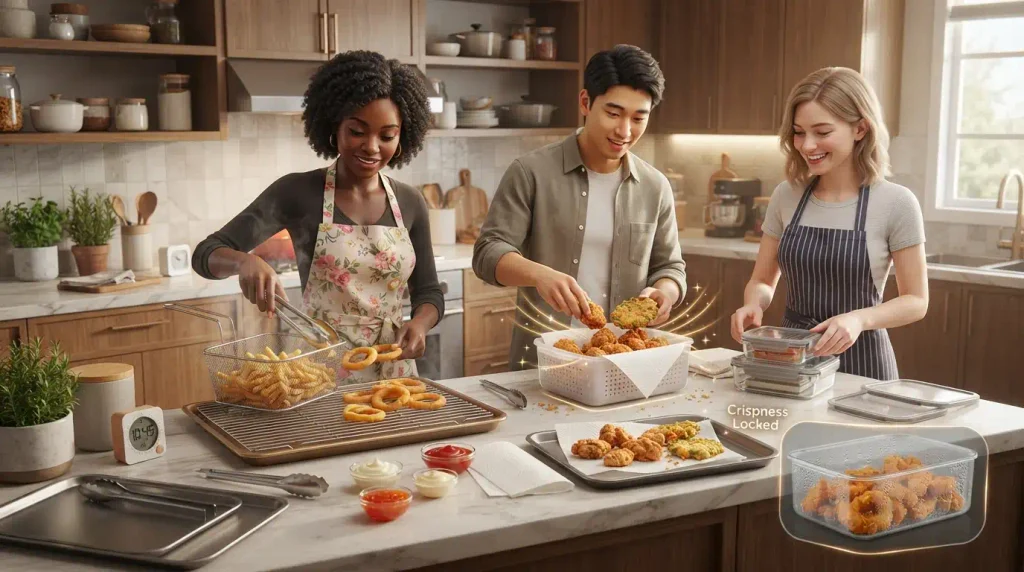
Humidity is the ultimate enemy of any delicate starch snack. Moisture in the air quickly turns a light, snappy bite into a tough, chewy chore.
Storing Uncooked Raw Pellets
Keep unexpanded pellets in a tightly sealed glass jar or heavy-duty plastic bag stored in a cool, dry pantry. Away from moisture and direct sunlight, raw starch pellets remain shelf-stable for over a year without losing their ability to expand.
Keeping Cooked Snacks Fresh
If you end up cooking a larger batch than your guests can finish, let the remaining snacks cool down completely on paper towels. Never pack warm crisps into a container, as trapped steam softens them instantly.
Once cool, transfer them into an airtight container lined with a dry paper towel to catch residual oil. Enjoy them within three days for the best texture.
Reviving Stale Crisps
If your snacks lose their crunch due to high room humidity, do not throw them away. Toss them back into a preheated air fryer or hot oven for 20 seconds to drive out excess moisture and restore their snappy feel.
Practice Exercise:
Understanding Fun Fry
1. What makes a fry dish more enjoyable?
A. Using no ingredients
B. Adding tasty flavors
C. Avoiding cooking
D. Removing texture
2. Why do people experiment with different fry recipes?
A. They want to discover new tastes
B. It makes meals less interesting
C. Variety is avoided
D. Cooking becomes unnecessary
Ingredients and Preparation
3. Which ingredient can improve the flavor of fried food?
A. Ice
B. Plain water
C. Spices
D. Paper
4. What does a crispy coating mainly provide?
A. A crunchy texture
B. A frozen surface
C. A watery finish
D. A soft drink
Serving and Creativity
5. What can be served with fried foods for extra flavor?
A. Flour
B. Dipping sauces
C. Raw dough
D. Ice cubes
6. How can presentation make a fried dish more appealing?
A. Covering the entire dish
B. Removing colorful ingredients
C. Arranging the food attractively
D. Leaving the plate empty
Exploring New Ideas
7. Which approach encourages creativity when making fried dishes?
A. Using the same recipe
B. Avoiding seasonings
C. Trying new ingredient combinations
D. Removing all sauces
8. Why are different sauces useful with fried foods?
A. Extra flavor and variety can be added
B. Frozen textures are created
C. The original flavor disappears
D. Serving becomes more difficult
Quick Review
9. Which quality is often associated with enjoyable fried food?
A. No seasoning
B. Good flavor and texture
C. Lack of variety
D. Uncooked ingredients
10. What is a fun way to explore fry recipes?
A. Never changing ingredients
B. Avoiding new ideas
C. Trying different flavors and combinations
D. Serving every dish the same way
Answer Key
1-B | 2-A | 3-C | 4-A | 5-B | 6-C | 7-C | 8-A | 9-B | 10-C
FAQs
1. What is a fun fry made out of?
Most commercial varieties consist of dehydrated starches like potato, tapioca, rice, or wheat flour combined with water and salt. The dough is shaped, dried completely, and prepared for quick expansion upon heating.
2. Why did my raw pellets stay hard in the middle?
Your cooking oil was likely not hot enough, or your cooking time was too short. When oil temperature dips below 350°F, heat cannot convert internal moisture into expanding steam fast enough to cook the center.
3. Can I make these snacks completely oil-free?
Yes, you can easily cook unexpanded pellets in an air fryer or microwave without using oil. Both techniques rely on rapid dry heat to pop the internal moisture, giving you a lighter, low-fat treat.
4. How long do uncooked raw pellets last in the pantry?
Dehydrated pellets last up to 12 months or longer when stored properly. Keep them in an airtight glass container away from direct heat, sunlight, and humidity to ensure reliable long-term storage.
5. What is the best oil for deep frying these snacks?
High-smoke-point neutral oils like canola, peanut, sunflower, or corn oil work best. These options tolerate high temperatures without burning or imparting strong unwanted flavors into your delicate crisps.
6. Why does seasoning fall off my air-fried snacks?
Air frying uses little to no oil, leaving a completely dry surface that powders cannot cling to easily. Lightly misting raw pellets with cooking oil before heating solves this issue completely.
Conclusion
Mastering the fun fry is one of the easiest ways to bring excitement, texture, and quick satisfaction to your daily snacking routine. With just a handful of dry starch pellets and a few seconds of heat, you can transform plain kitchen ingredients into hot, crispy treats that everyone loves.
Whether you prefer the classic crunch of deep frying, the health-conscious ease of air frying, or creative custom spice blends, there are endless ways to make every fun fry your own. Experimenting with tangy seasonings and new shapes is a great way to turn a basic recipe into a signature family favorite.
Ready to level up your snack game today? Grab a bag of raw pellets, warm up your pan or air fryer, and start crafting your ultimate fun fry batch right now!

Zoey Carter is the creator and writer behind funsvibe.com, a friendly website where readers can discover interesting, entertaining, and useful content. She enjoys exploring different topics and turning fresh ideas into simple, engaging articles that are easy to understand. Zoey believes that good content should be informative while still feeling natural and enjoyable to read.
Through funsvibe.com, Zoey Carter focuses on sharing original, reader friendly content with a warm and conversational style. She enjoys researching new subjects, discovering helpful information, and presenting ideas in a clear way. Her goal is to make every visit enjoyable while giving readers something valuable to discover and remember.