
Veterinarians possess deep knowledge about animal biology, behavioral quirks, and medical care that often surprises pet owners. From understanding how cats use their whiskers to navigate to knowing why dogs curl up to sleep, these fascinating insights reveal the hidden mechanics of pet health, helping you provide happier, safer lives for your furry companions.
Have you ever wondered what goes on inside your pet’s mind during a visit to the clinic? Exploring fun facts veterinarians share reveals a whole new world of animal biology, quirky habits, and medical wonders.
Understanding these hidden insights helps you care for your furry family members with far more confidence and joy. Learning these exciting fun facts veterinarians discover daily will completely change how you observe your pet’s routine behaviors.
Every animal possesses extraordinary adaptations that make veterinary care both a complex challenge and a rewarding science. Embracing these fun facts veterinarians uncover guarantees a happier, healthier, and safer life for your beloved companions.
The Secret World of Veterinary Medicine
Veterinary science goes far beyond routine checkups and yearly vaccinations. It combines advanced surgery, animal psychology, and creative problem-solving every single day.
When you look behind the exam room door, you find a world of remarkable biological adaptations. Animals possess hidden capabilities that often leave human doctors completely amazed.
Why Animal Anatomy Constantly Surprises Doctors
Did you know that a cat’s collarbone does not connect to its other bones? It floats freely inside muscle tissue, which allows felines to squeeze through any opening wider than their head.
Dogs possess a specialized organ called the vomeronasal organ, or Jacobson’s organ. This tiny structure allows them to taste scents in the air that humans cannot even register.
Fascinating pets present even stranger biological puzzles for medical teams. For instance, a chameleon’s tongue can extend up to twice its body length in a fraction of a second.
How Vets Read Animal Body Language
Veterinarians spend years learning to read subtle behavioral cues that most owners miss entirely. A dog wagging its tail does not always mean it feels happy or relaxed.
Tail position, ear angle, and eye tension tell a complex story about a pet’s emotional state. A tail wagging low and fast often indicates nervousness rather than friendliness.
Cats show stress through subtle signs like rapid ear twitching or holding their fur flat. Recognizing these cues helps vets treat patients safely without causing unnecessary fear.
The Tools of the Trade You Might Not Expect
You might be surprised to find simple items like bubble wrap in a high-tech veterinary hospital. Vets use bubble wrap to keep small animals warm during recovery after surgery.
Mascara wands serve a dual purpose in veterinary clinics. Clean, donated wands work perfectly for brushing wild birds or removing tiny parasites from small mammals.
Popsicle sticks make ideal splints for fragile bird legs or tiny rodent paws. Innovation forms a major part of everyday clinical care.
Unbelievable Dog Facts Straight from the Exam Table
Dogs have lived alongside humans for tens of thousands of years. Yet, their physical abilities and behavioral traits continue to astound veterinary researchers.
From unique physical signatures to unexpected superpowers, dogs are biological marvels. Here are some of the most startling facts your vet wishes you knew.
Every Dog Nose Is Completely Unique
Just like human fingertips, no two dog nose prints are identical. The pattern of ridges, creases, and pores creates a unique identifier for every canine.
Some kennel organizations even use nose prints to confirm identity and prevent fraud. The wetness on their nose actually helps absorb scent molecules from the air.
- Nose prints remain identical throughout a dog’s entire lifetime.
- Moisture traps floating scent particles for better analysis.
- Scent signals travel directly to the emotional center of the brain.
Dogs Have a Second Sight System
Dogs possess a special reflective layer behind their retina called the tapetum lucidum. This mirror-like structure reflects light through the eye, dramatically improving night vision.
This layer is the exact reason your dog’s eyes glow strangely in nighttime photographs. It acts like a natural set of night-vision goggles for wild hunting.
Humans lack this structure entirely, which makes our vision far weaker in low light. Dogs only need about one-sixth of the light humans require to navigate dark rooms.
The Surprising Science of Canine Dreams
If you watch your dog twitch or soft-bark while asleep, they are actively dreaming. Scans show that canine brainwaves during sleep match human brainwave patterns during REM sleep.
Small dogs tend to dream far more frequently than large dogs. A Toy Poodle might dream every ten minutes, while a Great Dane dreams once every ninety minutes.
They are likely replaying daily events, such as chasing balls or walking through the park. Their brains process memories and learn new skills while resting.
Canine Dream Cycle Comparison
Small Dogs
Dream Frequency: Every 10 to 15 minutes
Dream Duration: 1 to 2 minutes per cycle
Common Triggers: High daily activity and rapid brain metabolism
Large Dogs
Dream Frequency: Every 60 to 90 minutes
Dream Duration: 5 to 10 minutes per cycle
Common Triggers: Long physical exercise and steady resting heart rates
Why Dogs Curl Up into a Tight Ball
When dogs sleep curled in a circle, they are following an ancient survival instinct. Tucking their paws and tail inside protects their vital organs from potential predators.
This posture also conserves body heat by minimizing surface area exposed to cool air. Even indoor dogs on heated beds keep this instinctual sleeping habit.
It offers psychological comfort, making the dog feel safe and secure in its environment. A dog sleeping stretched out completely feels totally safe in its surroundings.
Mind-Blowing Cat Mysteries Solved by Science
Cats remain some of the most mysterious creatures in our homes. Their unique behaviors often leave owners scratching their heads in confusion.
Veterinary research has unlocked many secrets behind feline habits. These facts highlight how truly wild domestic cats remain on a cellular level.
The Purr Is a Built-In Healing Device
Cats do not purr exclusively when they feel happy and content. They also purr when injured, frightened, or giving birth to kittens.
Feline purrs vibrate at a frequency between 20 and 140 Hertz. This specific vibration frequency promotes bone density, eases breathing, and repairs damaged muscle tissue.
- Vibrations between 25 and 50 Hz help heal fractured bones.
- Purring releases endorphins that reduce pain and anxiety.
- Cats can purr continuously while breathing in and out.
Whiskers Are Advanced Navigation Sensors
A cat’s whiskers are not standard hairs; they are deeply rooted tactile sensors. These specialized hairs, called vibrissae, connect directly to the nervous system.
They detect tiny shifts in air currents, helping cats navigate dark rooms effortlessly. Whiskers also measure openings to tell the cat if it can fit through without getting stuck.
Trimming a cat’s whiskers causes severe disorientation and distress. They act as essential radar arrays for spatial awareness and movement.
Cats Are Technically Desert Animals
Domestic cats descended from African wildcats that adapted to harsh desert environments. Because of this heritage, their bodies extract maximum moisture from food.
They possess a very low thirst drive compared to dogs or humans. This explains why many cats suffer from chronic kidney issues if fed only dry kibble.
Adding wet food or pet fountains encourages better hydration habits. Fountains appeal to their instinctual preference for running water over stagnant pools.
The Truth Behind Feline Kneading
When your cat kneads your lap with their paws, they are displaying an instinct from kittenhood. Nursing kittens knead their mother’s belly to stimulate milk flow.
In adult cats, this movement releases comforting endorphins in the brain. It signals complete trust, comfort, and emotional safety with their human owner.
Scent glands located in their paw pads also mark you as their safe territory. It serves as the ultimate compliment in feline communication.
Surprising Secrets About Birds, Reptiles, and Fascinating Pets
Fascinating pets present incredible biological features that astonish even seasoned veterinary professionals. Their adaptations reveal how diverse animal life can be.
From rigid lungs to thermal vision, these creatures operate on entirely different biological systems. Understanding them requires specialized medical knowledge.
Birds Have a Continuous Breathing System
Unlike mammals, birds do not breathe air in and out of simple lung sacs. They possess a complex system of air sacs that push air through the lungs continuously.
This unique process requires two complete respiratory cycles to move a single breath through their system. It provides high levels of oxygen required for sustained flight.
It also makes birds extremely sensitive to airborne toxins like non-stick pan fumes. Clean air remains vital for avian health and safety.
Reptiles Depend Entirely on Thermal Gradients
Reptiles are ectothermic, meaning they cannot generate their own internal body heat. They rely on external heat sources to digest food and power their immune systems.
Without proper basking temperatures, a reptile cannot break down meals in its stomach. The food can actually spoil inside them before digestion occurs.
Vets emphasize using precise thermometers in enclosures to prevent metabolic disasters. Temperature directly controls every single biological function in a reptile’s body.
Rabbits Have Unstoppable Teeth
Rabbit teeth grow continuously throughout their entire lives, gaining several inches every year. They must chew tough fibrous hay daily to wear down their teeth naturally.
If their diet lacks roughage, their teeth form razor-sharp points called spurs. These spurs cause painful mouth sores and prevent the rabbit from eating.
- Hay should form 80% of a rabbit’s daily diet.
- Overgrown molars require specialized dental grinding by a vet.
- Healthy chewing prevents expensive emergency surgery.
How Vets Stay Healthy While Caring for Animals

Working with animals requires incredible physical stamina, emotional strength, and sharp observation skills. Veterinarians encounter unusual occupational hazards every single day.
From avoiding bites to managing patient stress, clinic life keeps staff on their toes. These fun facts highlight the human side of pet care.
The Art of the Low-Stress Handle
Modern veterinary care focuses heavily on low-stress handling techniques. Clinics use calming synthetic pheromones to make pets feel safe in exam rooms.
Towel wraps, known affectionately as “kitty burritos,” keep nervous cats safe during exams. This method secures their legs gently without causing panic or pain.
Positive reinforcement with treats and distraction creates a happy association with clinic visits. A distracted pet feels significantly less anxiety during vaccinations.
Staying Safe Around Unpredictable Patients
Veterinarians develop lightning-fast reflexes to avoid sudden bites or scratches. Even the sweetest family pet might nip when feeling pain or sudden panic.
Muzzles serve as protective safety gear, not punishments for bad behavior. Using a basket muzzle allows pets to pant and accept treats safely.
Teamwork plays an essential role in keeping both animals and staff injury-free. Proper restraint protects the pet from falling off exam tables during procedures.
Quick Facts Summary: Animal Science at a Glance
Animal Biology
Animals have unique body structures, behaviors, and survival strategies. Studying their biology helps us understand how different species grow, communicate, reproduce, and adapt to changing environments.
Animal Behavior
Animal behavior reveals fascinating patterns, from hunting and teamwork to migration and communication. Scientists observe these actions to discover how animals interact with each other and their surroundings.
Wildlife Science
Wildlife science focuses on protecting animals, habitats, and biodiversity. Researchers study populations, ecosystems, and environmental threats to support conservation efforts and maintain healthy natural ecosystems.
Medical Marvels in Animal Healthcare
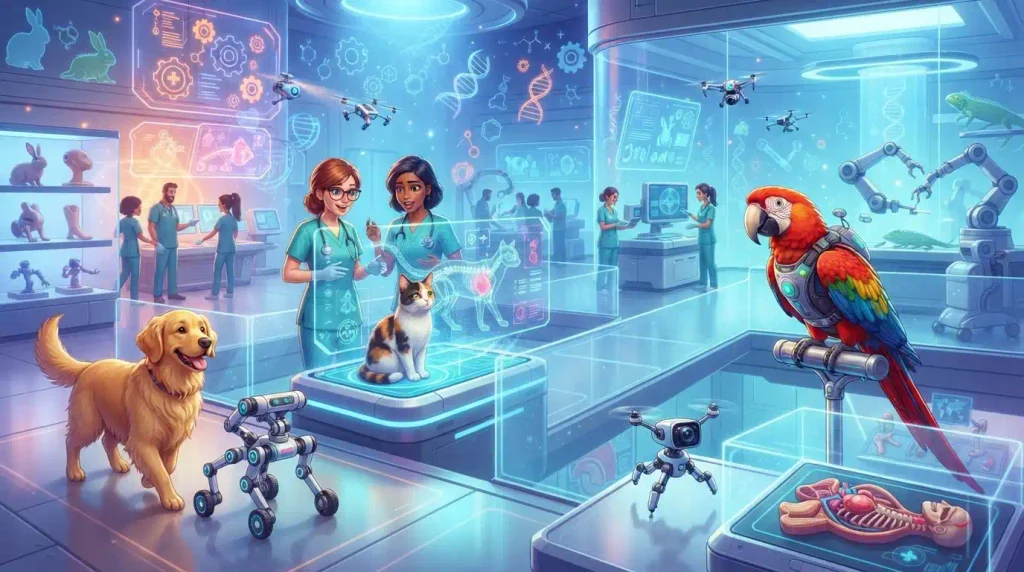
Veterinary medicine advances at the same pace as human healthcare. Modern animal hospitals utilize state-of-the-art equipment to diagnose and treat complex diseases.
From advanced imaging to physical therapy, options for pets have expanded dramatically. These medical developments extend pet lifespans significantly.
High-Tech Diagnostics for Four-Legged Patients
Veterinarians now regularly use MRI machines, CT scans, and ultrasound technology. These tools allow doctors to peer inside an animal without invasive exploratory surgeries.
Laser therapy helps reduce joint inflammation and speed up post-surgical wound healing. Acupuncture is also widely accepted for managing chronic arthritis pain in senior pets.
Prosthetics allow amputee animals to run, jump, and play with total freedom. Custom 3D-printed carts give paralyzed pets a second chance at active living.
Dental Care Is Critical for Longevity
Bad breath in pets indicates active bacterial infection rather than simple aging. Dental disease allows dangerous bacteria to enter the bloodstream, harming internal organs.
Regular dental cleanings under anesthesia protect the heart, liver, and kidneys from damage. Brushing your pet’s teeth daily adds years to their lifespan.
- Over 80% of dogs show signs of dental disease by age three.
- Specialized dental chews reduce plaque buildup significantly.
- Professional cleanings remove tartar below the gumline safely.
The Secrets of Pet Nutrition
Feeding pets human leftovers often causes severe metabolic issues like pancreatitis. Foods like onions, grapes, raisins, and chocolate contain toxins that damage organs.
Veterinary nutritionists design precise diets tailored to specific health conditions like kidney disease. Custom diets slow disease progression and improve overall energy levels.
Weight management remains the single most effective way to prevent joint issues. Keeping your pet lean can extend their lifespan by up to two full years.
Fascinating Animal Behavior Demystified
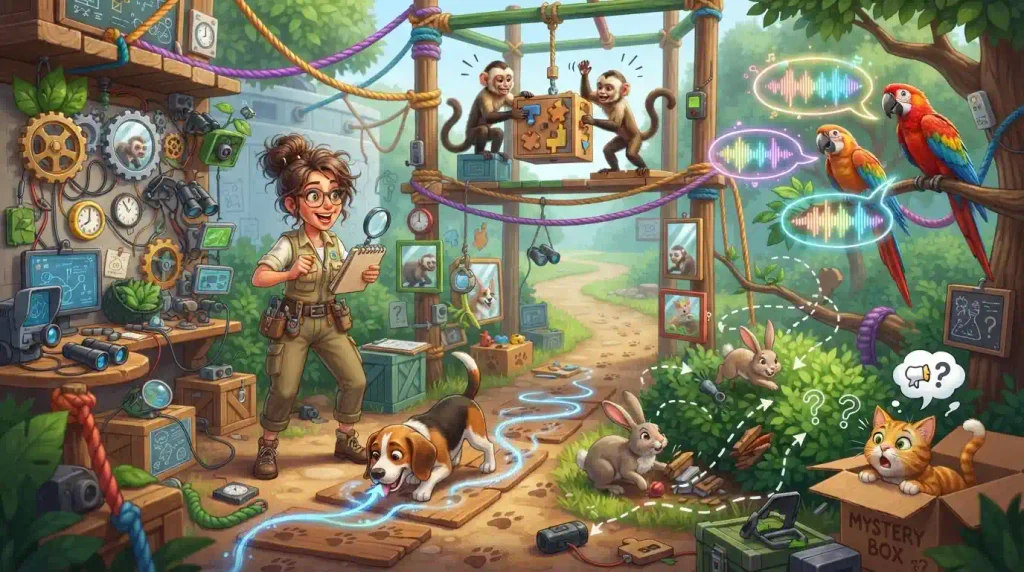
Understanding why pets act the way they do makes living with them far more enjoyable. Behavioral issues represent a common reason owners seek veterinary advice.
Most strange behaviors stem from deep-seated evolutionary survival mechanisms. Decoding these habits creates a stronger bond between you and your pet.
Why Dogs Chase Their Tails
Tail chasing seems like simple fun, but it can indicate underlying medical conditions. Flea allergies, impacted anal glands, or neurological issues can trigger tail chasing.
In young puppies, it represents simple play and physical coordination practice. However, repetitive tail chasing in adult dogs requires professional medical evaluation.
Providing mental stimulation through puzzle toys reduces compulsive behavioral habits. Boredom often drives dogs to seek bizarre outlets for excess energy.
The Zoomies Explained by Science
The sudden burst of wild energy known as “the zoomies” is scientifically called Frenetic Random Activity Periods (FRAPs). Animals release pent-up nervous energy or excitement through these rapid sprints.
Cats often get zoomies after using the litter box or late at night. Dogs experience FRAPs after bath time or when returning home from a long trip.
It serves as a totally healthy physical release for happy, healthy animals. Just ensure the area remains clear of sharp objects to prevent accidental injury.
Why Cats Knock Things Off Counters
When a cat pushes a glass off a table, they are not acting out of malice. They are testing gravity, surface textures, and object resistance using their paws.
It taps directly into their predatory instincts to investigate small, movement-responsive items. The sudden sound of a dropping object provides instant mental stimulation.
Owner reactions often reinforce the behavior by providing immediate attention. Providing challenging interactive toys satisfies this curiosity without broken glass.
Practice Exercise
- What unique anatomical feature allows cats to squeeze through tight openings?
A. Flexible spinal cords
B. Floating collarbones
C. Elastic skin folds
D. Hollow hip joints - What is the specialized organ dogs use to taste scents in the air?
A. Auditory canal
B. Olfactory bulb
C. Jacobson’s organ
D. Lingual papilla - What vibration frequency range does a cat’s purr fall into?
A. 5 to 10 Hz
B. 20 to 140 Hz
C. 200 to 400 Hz
D. 500 to 800 Hz - Why do dogs curl up into a tight ball when sleeping?
A. To keep their claws sharp
B. To keep their noses moist
C. To prevent ear infections
D. To protect vital organs and conserve heat - What function does the tapetum lucidum serve in a dog’s eye?
A. It filters out harmful ultraviolet rays
B. It improves night vision by reflecting light
C. It produces natural protective eye tears
D. It focuses on fast-moving objects far away - What percentage of a rabbit’s daily diet should consist of fresh hay?
A. 20%
B. 50%
C. 80%
D. 100% - How do small dogs’ dream cycles compare to large dogs’ dream cycles?
A. Small dogs dream less frequently
B. Small dogs dream more frequently
C. Small dogs do not experience REM sleep
D. Large dogs dream every five minutes - What are a cat’s specialized tactile whiskers scientifically called?
A. Cilia
B. Vibrissae
C. Follicles
D. Flagella - What percentage of dogs show signs of dental disease by three years of age?
A. Over 20%
B. Over 40%
C. Over 60%
D. Over 80%
Answer Key
- B | 2. C | 3. B | 4. D | 5. B | 6. C | 7. B | 9. B | 10. D
FAQs
1. Why do dogs eat grass when walking outside?
Dogs eat grass to supplement fiber, relieve mild nausea, or explore interesting tastes. It is a common behavior that rarely indicates serious illness unless accompanied by vomiting or lethargy.
2. Why do cats hate getting wet in water?
Cats dislike water because wet fur slows down their reflexes and feels uncomfortably heavy. Their desert ancestry means they evolved without needing to swim or interact with deep water daily.
3. How often should my pet visit the vet?
Adult pets should visit the vet once a year for routine health exams. Senior pets or animals with chronic conditions benefit from checkups every six months to catch issues early.
4. Can dogs really tell when humans feel sad?
Dogs pick up on human emotions by smelling stress hormones and observing physical body language. They often offer quiet affection to comfort their human owners during stressful or sad moments.
5. Why do rabbits eat their own droppings?
Rabbits produce special nutrient-rich droppings called cecotropes, which they re-ingest to absorb essential vitamins. This process ensures they extract maximum nutrition from their high-fiber plant diets.
6. Why do dogs tilt their heads when spoken to?
Dogs tilt their heads to adjust their ears to locate sound origins better. It also repositions their muzzle so they can see your facial expressions and mouth movements clearly.
7. Is a dry dog nose a sign of illness?
A dry nose does not automatically mean your dog is sick or running a fever. Noses change texture throughout the day based on sleep, household humidity, and recent physical activity levels.
Conclusion
Exploring these fascinating fun facts veterinarians share reminds us how miraculous animal biology really is. From cats healing themselves with purrs to dogs navigating by scent, our pets never cease to amaze us.
These incredible fun facts veterinarians reveal provide a window into the complex biological needs and unique behaviors of our household companions. Armed with this knowledge, caring for your pets becomes an even richer, more rewarding experience.
Keep exploring, stay curious, and pay close attention to your pet’s unique body language every single day. Schedule a visit with your trusted provider to discover more fun facts veterinarians can teach you about keeping your animal friends thriving!

Zoey Carter is the creator and writer behind funsvibe.com, a friendly website where readers can discover interesting, entertaining, and useful content. She enjoys exploring different topics and turning fresh ideas into simple, engaging articles that are easy to understand. Zoey believes that good content should be informative while still feeling natural and enjoyable to read.
Through funsvibe.com, Zoey Carter focuses on sharing original, reader friendly content with a warm and conversational style. She enjoys researching new subjects, discovering helpful information, and presenting ideas in a clear way. Her goal is to make every visit enjoyable while giving readers something valuable to discover and remember.